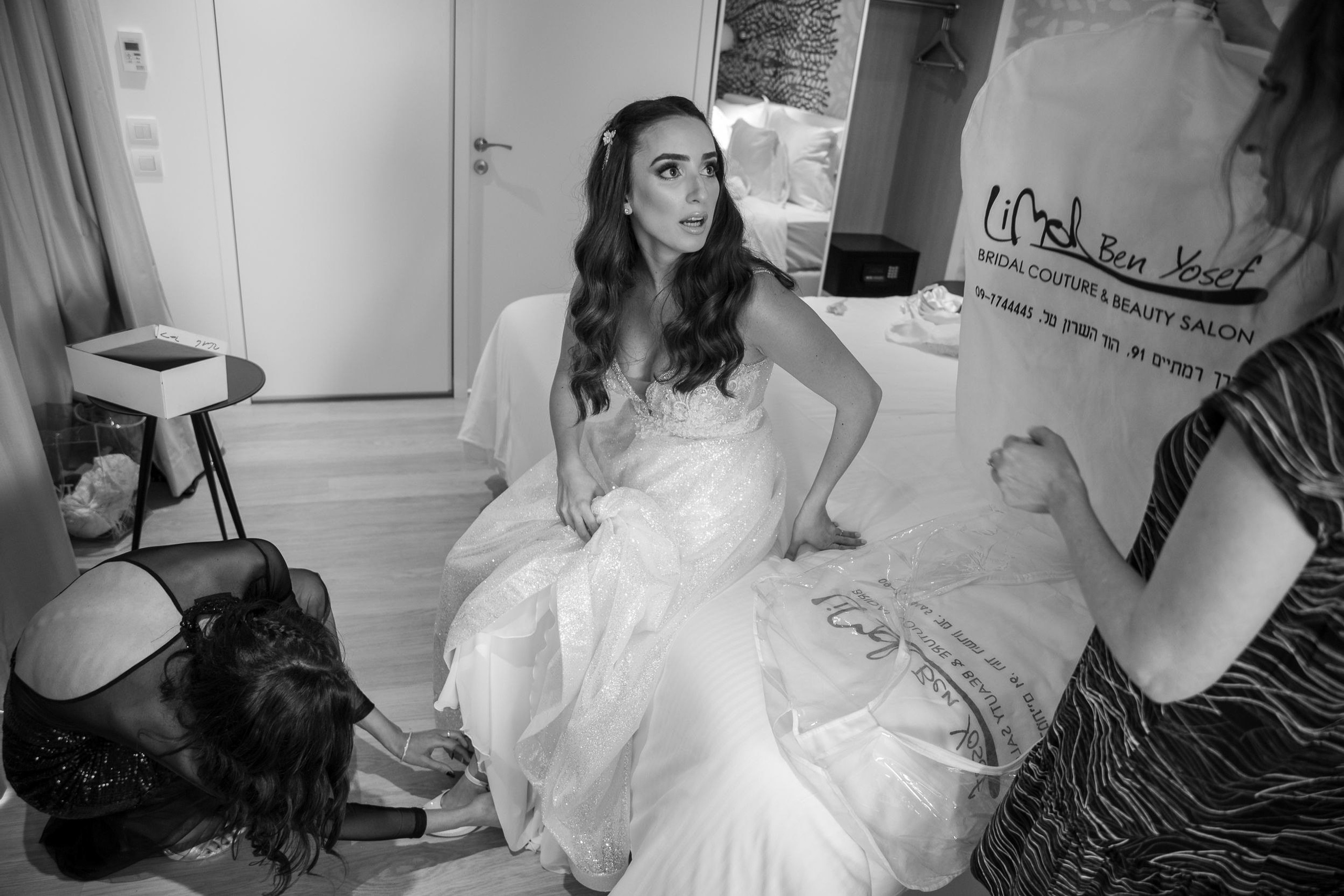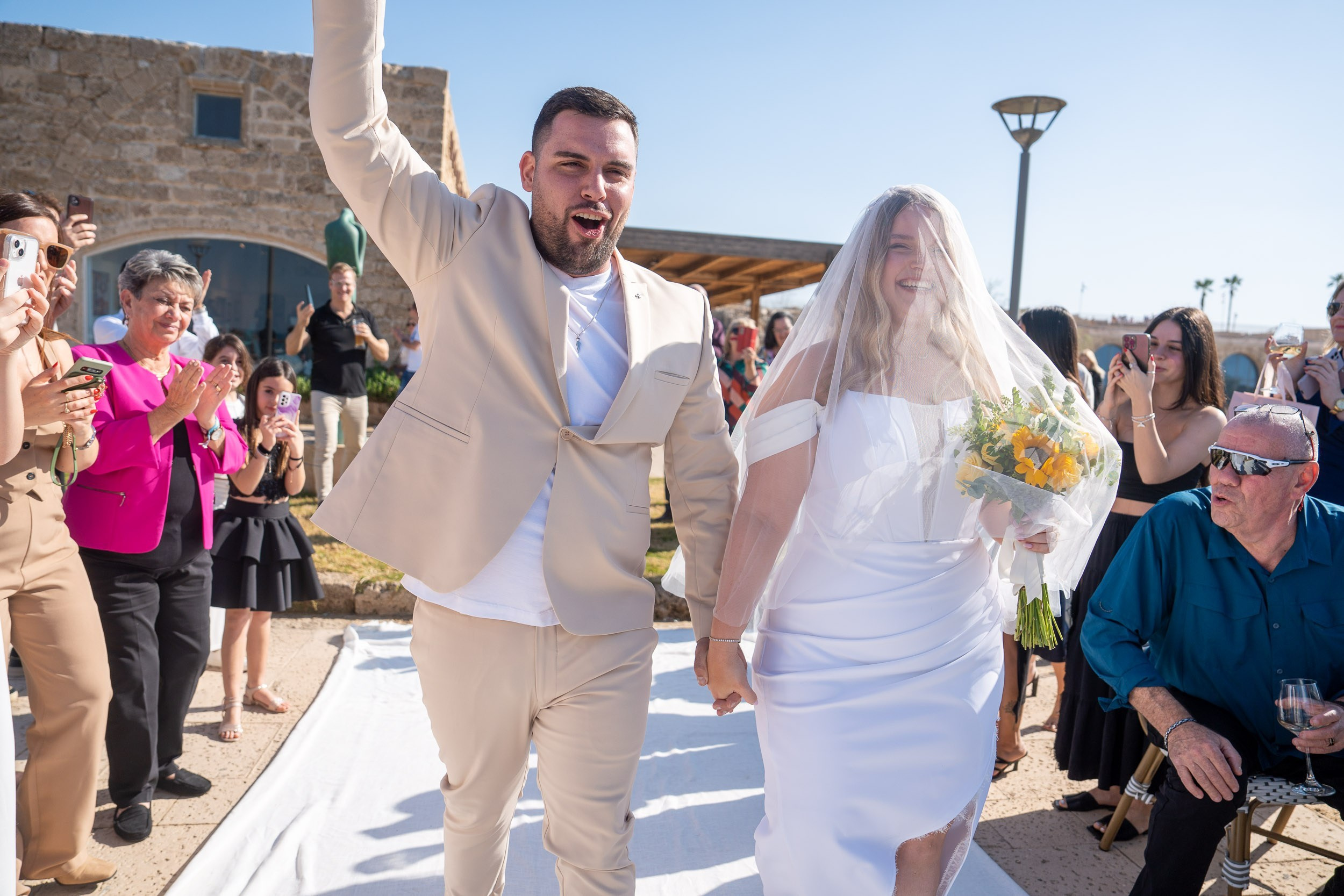
Weddings often share a familiar structure.
There are preparations, a ceremony, family, friends, food, music, and celebration.
But no two weddings feel the same.
The people are different. Their relationships are different. The atmosphere, timing, traditions, and emotions belong only to that particular day.
A wedding story is not defined by a schedule or a list of expected photographs. It is created by everything that happens between people as the day naturally unfolds.
That is why every wedding deserves to be documented as its own story.
The People Create the Story
A wedding may take place at a familiar venue and follow a familiar sequence, but the people make it unique.
Every family has its own way of communicating.
Some express emotion openly. Others show it through a quiet look, a small gesture, or the way they remain close without saying anything.
Friends bring shared history, humour, and energy. Parents experience the day from a different perspective. Children move through events according to their own unpredictable rhythm.
These relationships cannot be recreated or transferred from one wedding to another.
They are the true subject of documentary wedding photography.
The photographer’s task is not simply to record who attended. It is to recognise the connections between people and preserve how those relationships felt on that day.
Atmosphere Cannot Be Repeated
The atmosphere of a wedding is created by many small elements working together.
It may feel quiet and intimate in the morning, emotional during the ceremony, and completely unrestrained by the end of the evening.
Weather, light, music, location, timing, and the mood of the guests all influence the experience.
Even when two weddings take place at the same venue, the resulting stories can be entirely different.
One may be defined by calm conversations and subtle gestures. Another may be filled with movement, laughter, and unexpected energy.
A documentary photographer responds to the atmosphere rather than imposing a predetermined visual idea upon it.
The photographs should reflect what the wedding actually felt like—not what it was expected to look like.
The Most Meaningful Moments Are Unplanned
Some parts of a wedding can be anticipated.
The ceremony will begin. Rings may be exchanged. Speeches will be given. Music will start.
But the moments that often become most meaningful cannot be scheduled.
A parent may briefly look away to contain an emotion.
A friend may begin laughing before finishing a speech.
Two relatives may see each other for the first time in years.
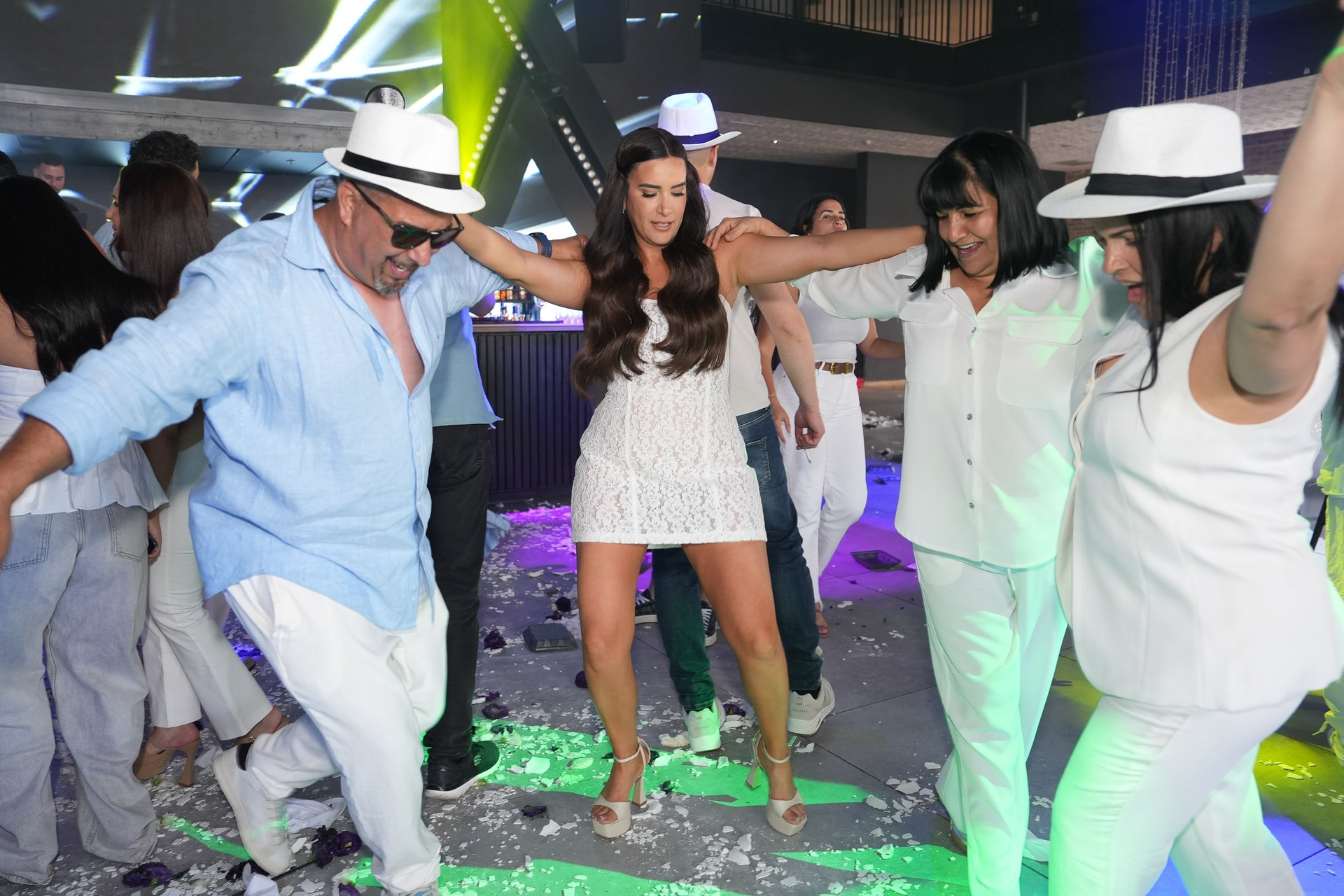
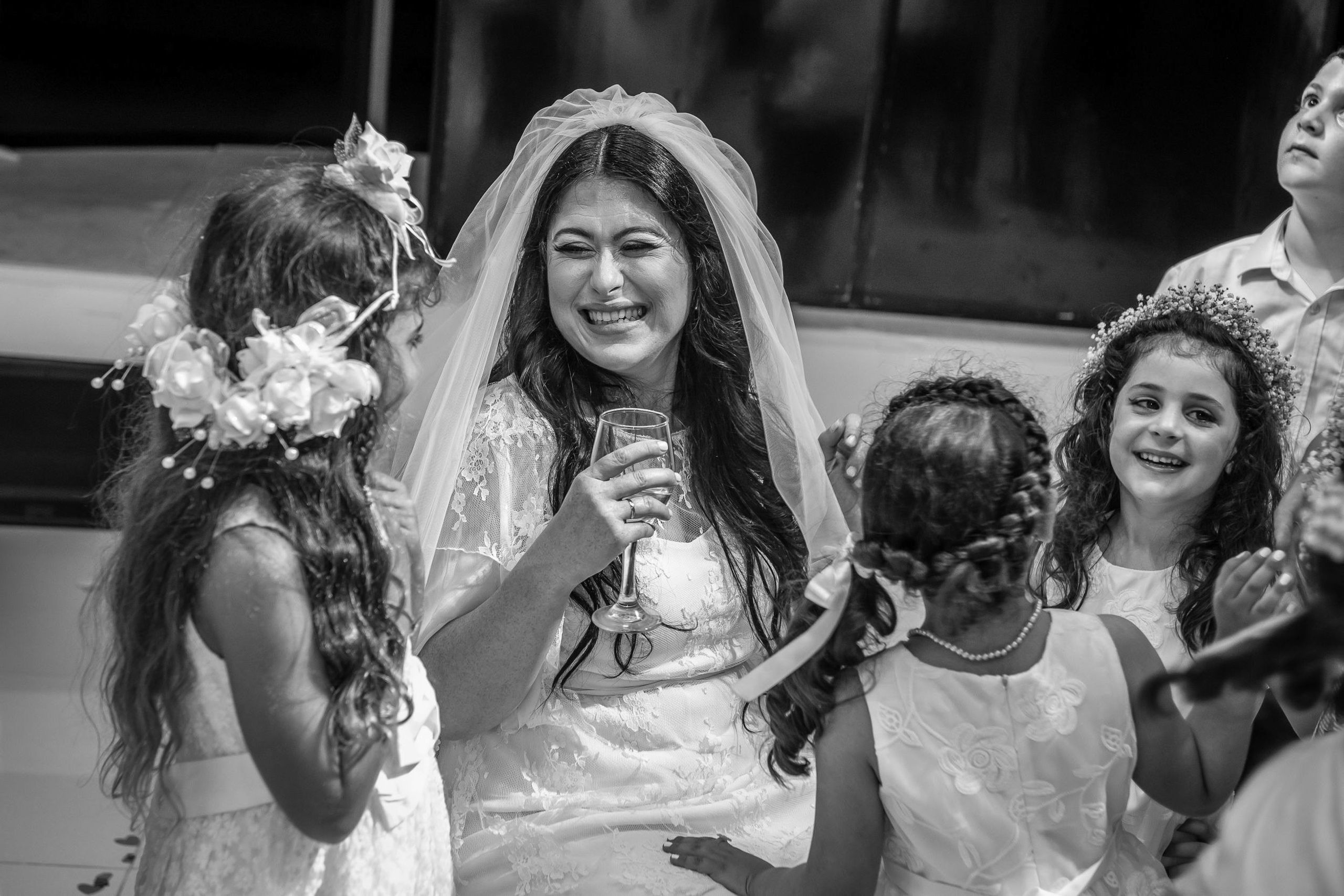
A child may fall asleep during the celebration while everyone continues dancing nearby.
These moments last only seconds.
They cannot be directed, repeated, or planned for a specific location. They require attention, anticipation, and an understanding of human behaviour.
Their unpredictability is precisely what makes each wedding story different.
Traditions Become Personal
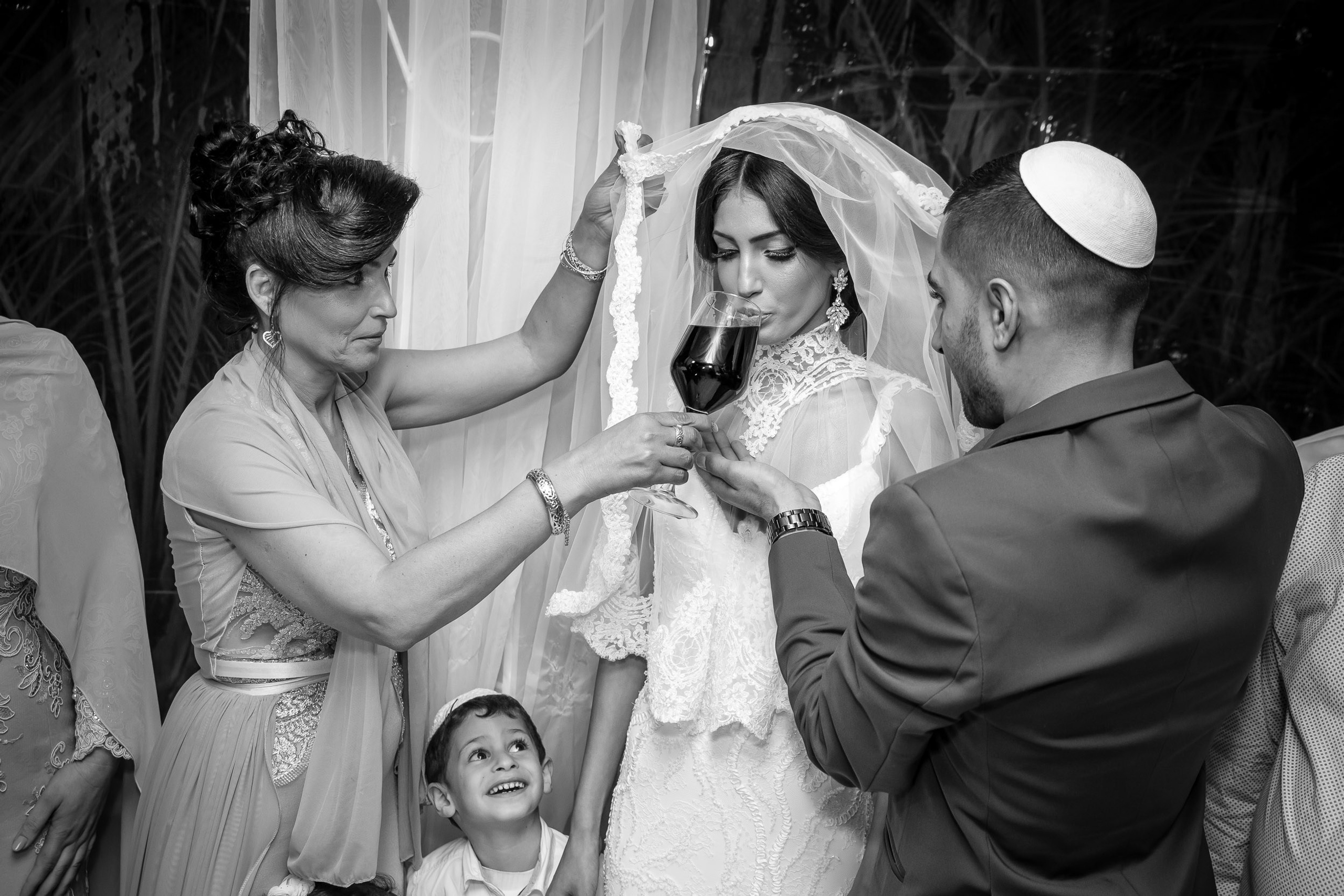
Weddings may include cultural, religious, or family traditions that have been repeated for generations.
Yet the way each family experiences them is personal.
The same ceremony can carry different meanings for different people. Reactions, interactions, and family histories give familiar traditions a unique emotional character.
Documentary photography does not treat tradition as a checklist of required images.
It looks at how people participate in it.
Who reaches for another person’s hand? Who watches quietly from the side? Who laughs, cries, or becomes lost in thought?
The tradition provides the structure, but the people give it meaning.
A Wedding Is More Than Its Appearance
Wedding planning involves many visual decisions.
The venue, clothing, flowers, table settings, and lighting all contribute to the appearance of the day. These details deserve to be documented.
But they are not the complete story.
The true character of a wedding is found in how the space is lived in: the conversations around the tables, the hands that rearrange a dress, the expressions during the ceremony, and the movement of people through the celebration.
Beautiful details show how the wedding looked.
Human moments show what it meant.
A complete wedding story needs both, but the emotional value of the photographs will usually come from the people within them.
Documentary Photography Does Not Use a Formula
A formula can produce consistency, but it can also make different weddings look remarkably similar.
The same locations, poses, movements, and compositions may be repeated regardless of the personalities of the couple or the atmosphere of the event.
Documentary photography takes a different approach.
It does not begin with a fixed list of images to manufacture. It begins with observation.
The photographer pays attention to what is happening, where relationships are forming within the frame, and how one moment connects to the next.
This does not mean the work lacks visual consistency.
The photographer’s way of seeing—their use of timing, light, composition, and distance—creates a recognisable visual language. But that language should serve the wedding rather than force the wedding into a template.
The style belongs to the photographer.
The story belongs to the people.
Every Couple Experiences the Day Differently
Some couples remain close throughout the entire wedding.
Others move independently among friends and family, meeting again during important moments.
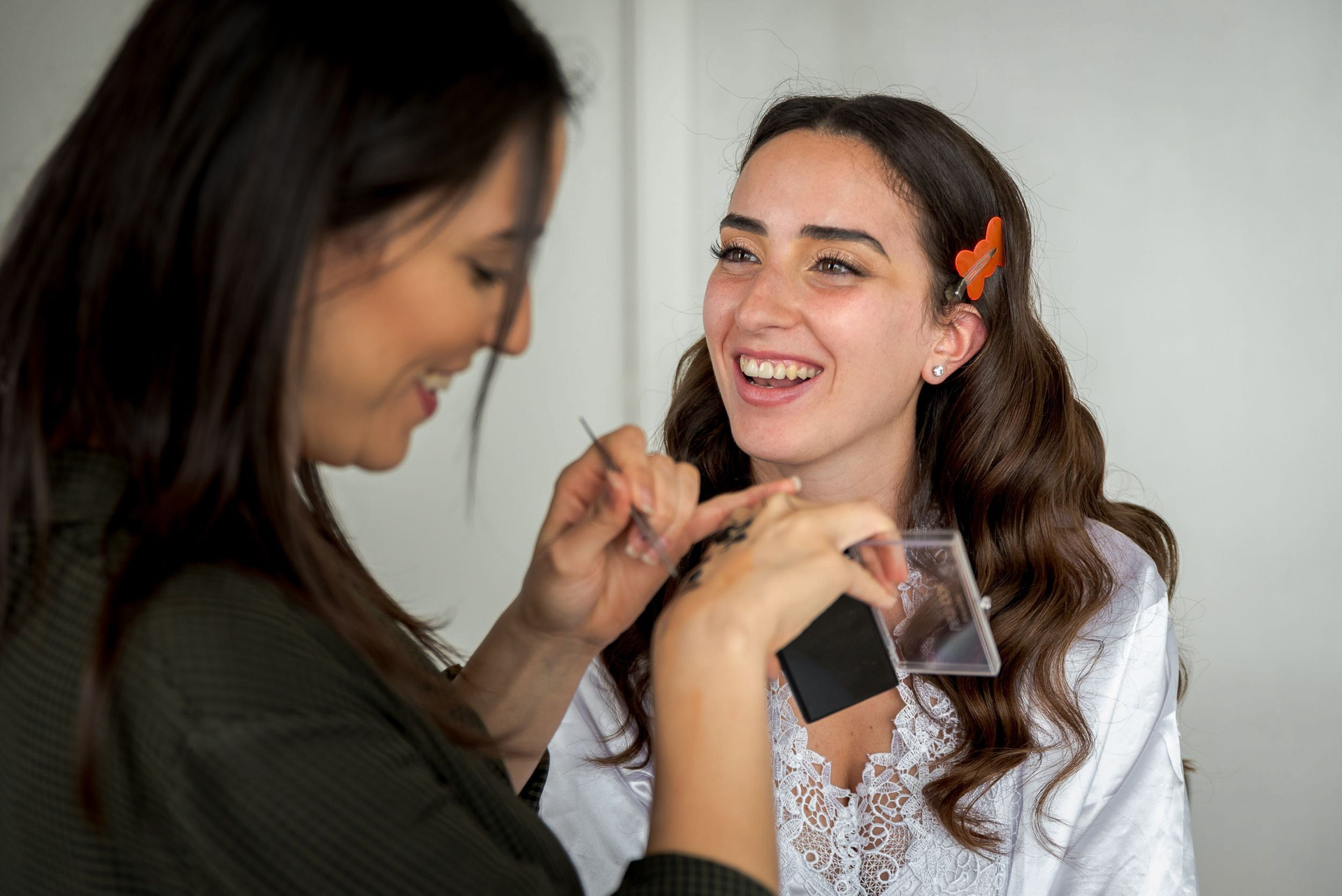
Some want a quiet morning with only a few people. Others begin celebrating from the moment preparations start.
There is no correct way to experience a wedding.
Documentary photography allows couples to be themselves without needing to perform a version of how a bride, groom, or wedding is supposed to appear.
When people are not repeatedly stopped, repositioned, or asked to recreate moments, their personalities remain visible.
The photographs become specific to them rather than interchangeable with images from another wedding.
The Unexpected Is Part of the Story
Not everything will happen exactly as planned.
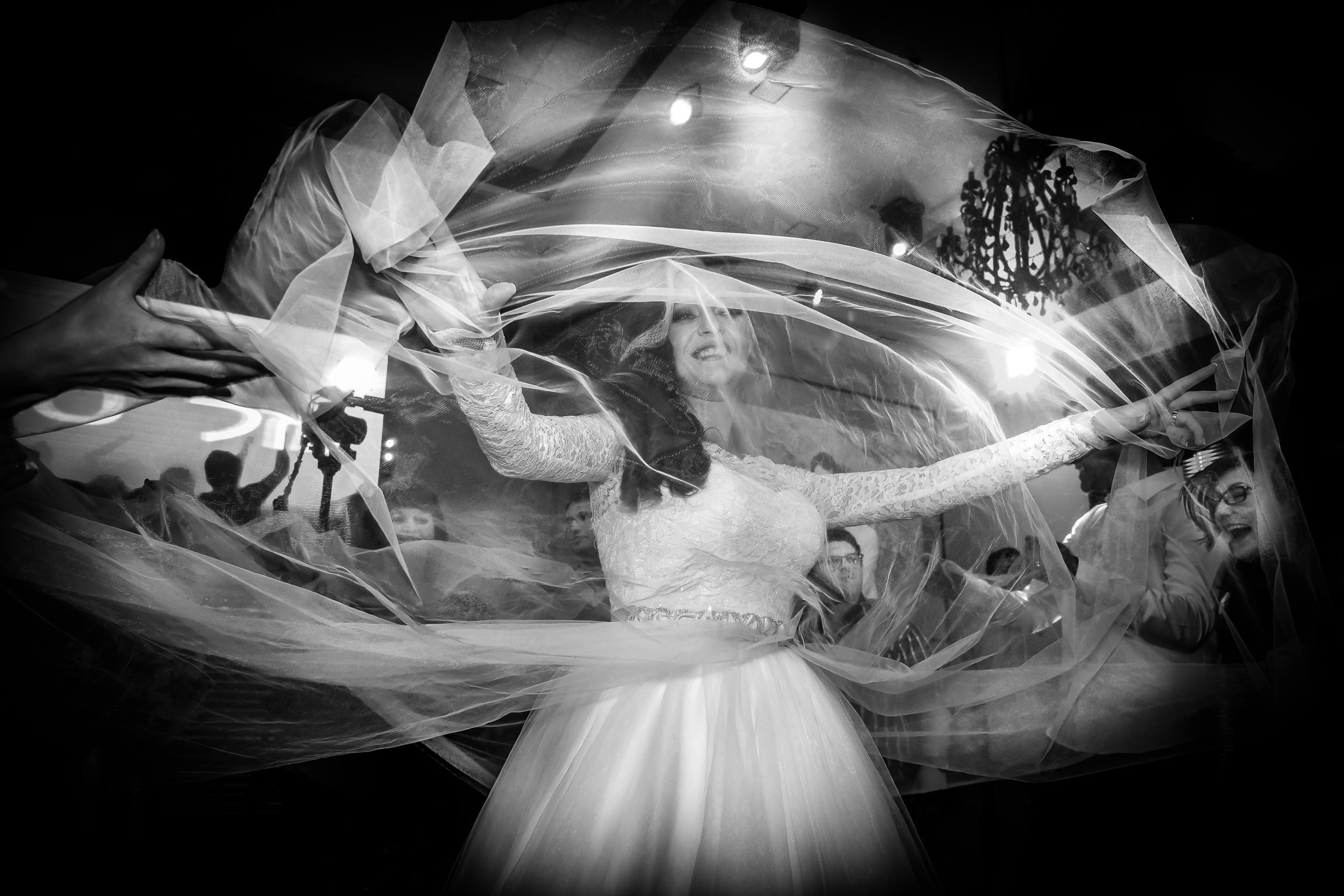
Schedules change. Weather shifts. Someone arrives late. A speech takes an unexpected turn. A glass breaks before it is supposed to. The dance floor develops its own logic.
These moments are not necessarily problems to remove from the visual record.
They are part of what made the day real.
An experienced documentary photographer adapts without interrupting the event. They understand that an unexpected situation may reveal humour, resilience, affection, or energy that could never have been created intentionally.
Perfection often makes weddings look similar.
Reality is what makes them individual.
A Complete Story Includes Quiet Moments
A wedding is not made only of dramatic events.
There are pauses between the recognised milestones.
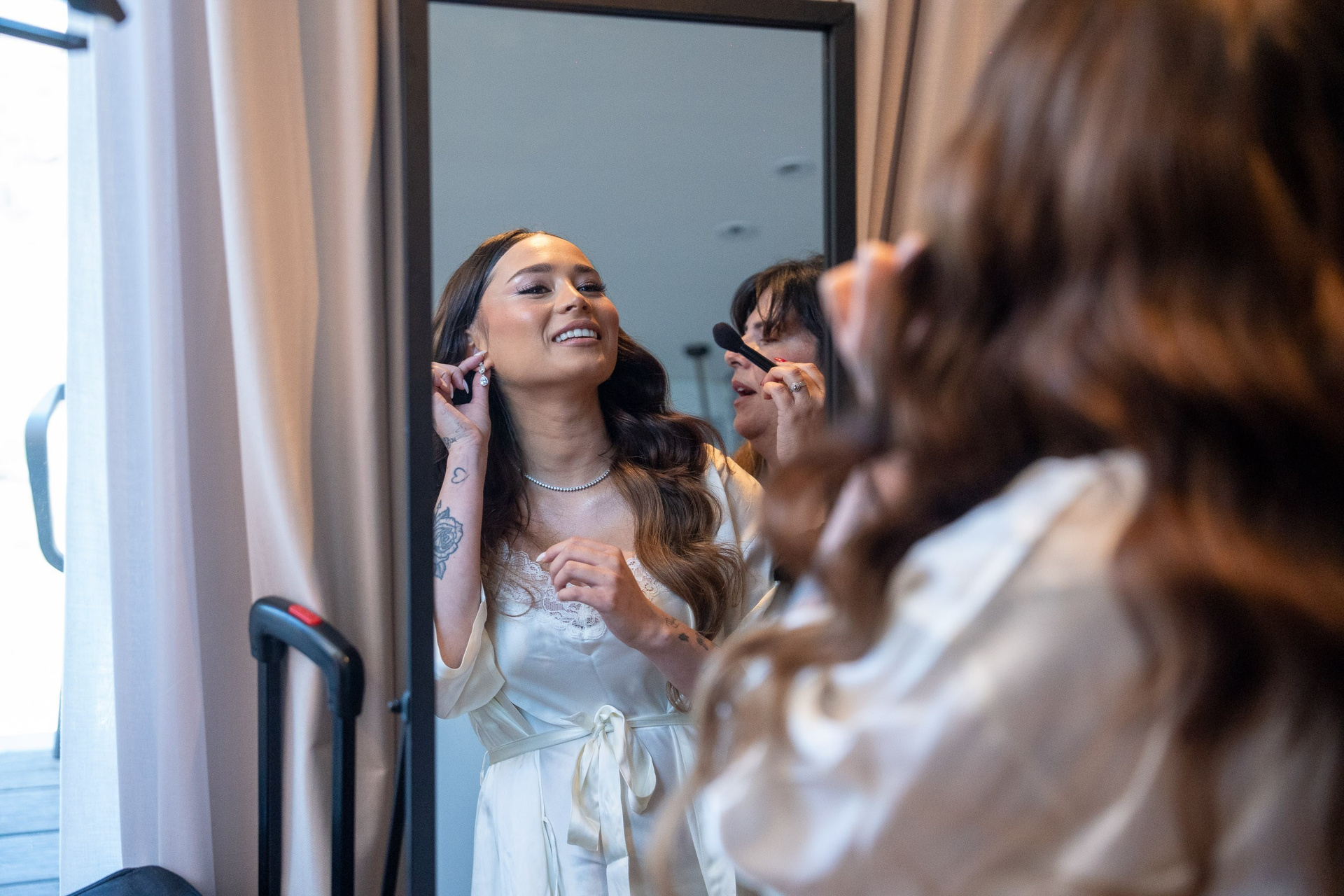
Someone waits alone before the ceremony. Parents speak quietly while guests arrive. Friends help each other prepare. The couple briefly looks across a crowded room.
These moments may not attract attention when they happen, but they give rhythm and depth to the final story.
Without them, the photographs may show what happened without communicating how the day felt.
A complete story needs movement and stillness, public moments and private ones, celebration and reflection.
The quiet photographs often become the space through which the louder moments gain meaning.
The Photographer Must Remain Open to the Story
Documenting a wedding requires preparation, but it also requires curiosity.
The photographer cannot assume in advance which people will become important to the story or where the strongest moments will occur.
They must observe carefully, understand relationships, and remain open to the unexpected.
This is different from arriving with a finished idea of what the wedding should look like.
The photographer brings experience and visual judgement, but the day itself provides the content.
The story is discovered rather than constructed.
Your Photographs Should Belong to You
Years after the wedding, trends, decorations, and visual fashions may become less important.
The people will matter more.
You will recognise expressions, relationships, and details of behaviour that belonged to a particular time in your lives.
Some photographs may gain meaning because circumstances have changed. Others may preserve people, gestures, and connections that future generations would never otherwise have known.
This is why wedding photographs should not feel like a version of someone else’s day.
They should reflect your families, your friends, your traditions, your atmosphere, and the way you experienced the wedding.
Every wedding contains a story that has never happened before and will never happen in exactly the same way again.
It does not need to be created for the camera.
It needs to be noticed.
No posing. No intervention. Just real stories.

JOURNAL
How to Choose a Wedding Photographer
Do You Need a Second Photographer for Your Wedding?
How to Feel Comfortable in Front of the Camera
Why the Small Moments Matter More Than the Big Ones

What Is Documentary Wedding Photography?

Why You Don't Need to Know How to Pose on Your Wedding Day

What Makes a Great Wedding Photograph?
Do You Need a Wedding Photography Shot List?
Why a Wedding Album Still Matters
Why Wedding Photographs Become More Valuable Over Time