

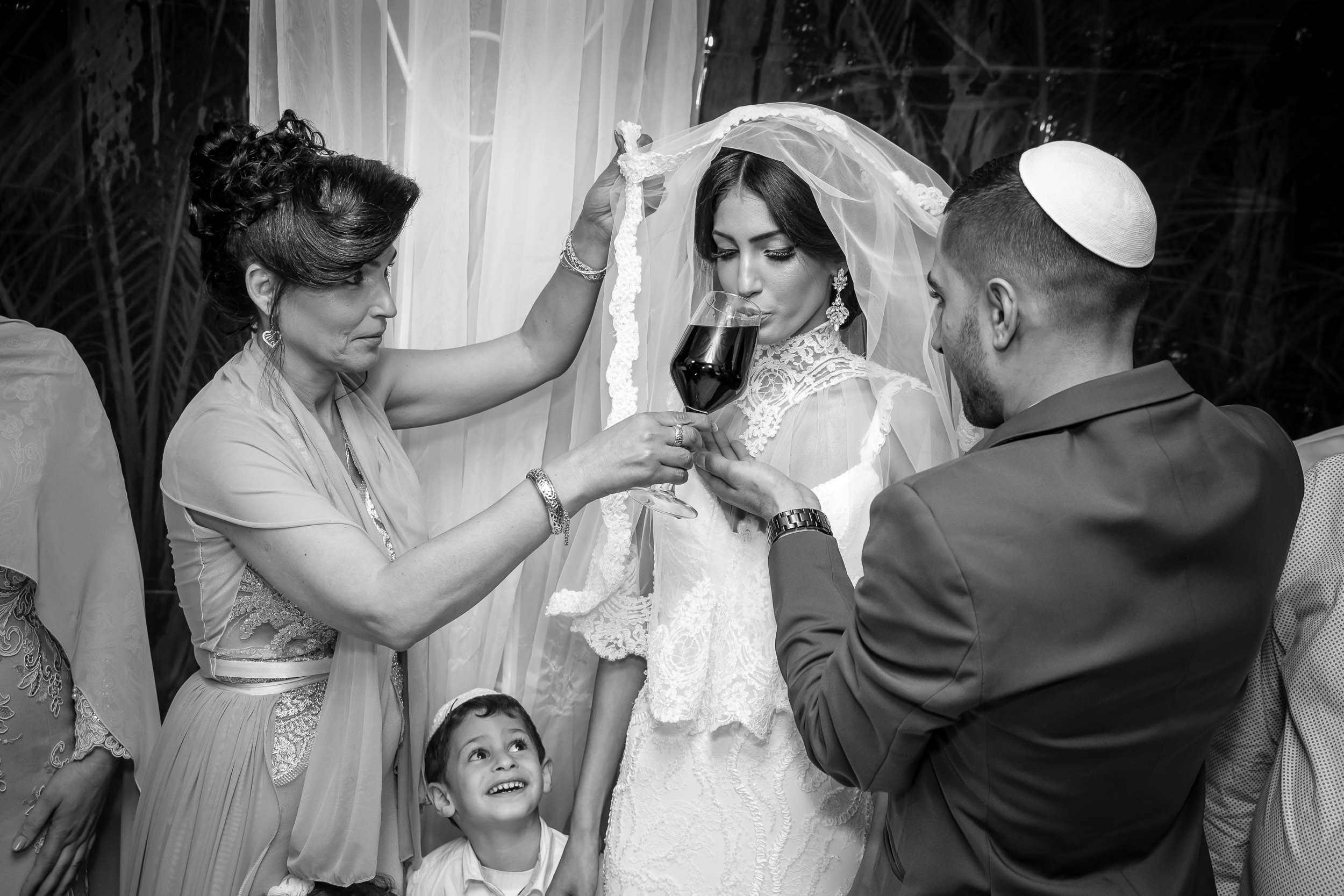
Search for wedding photography advice and you will quickly find lists of photographs that couples are told they must have.
The dress hanging in a window. The rings. The first kiss. The bouquet. The first dance. Photographs with parents, grandparents, siblings and every possible combination of relatives.
A list may seem reassuring. It creates the feeling that nothing important will be missed.
But a wedding is not a sequence of photographs waiting to be recreated.
It is a living event filled with people, relationships, reactions and unexpected moments. When photography becomes a checklist, attention can shift away from what is genuinely happening.
For documentary wedding photography, a long shot list is usually unnecessary.
What matters is not a catalogue of expected images, but a clear understanding of the people, circumstances and traditions that make your wedding personal.
Your photographer already knows the structure of a wedding
An experienced wedding photographer understands the natural progression of the day.
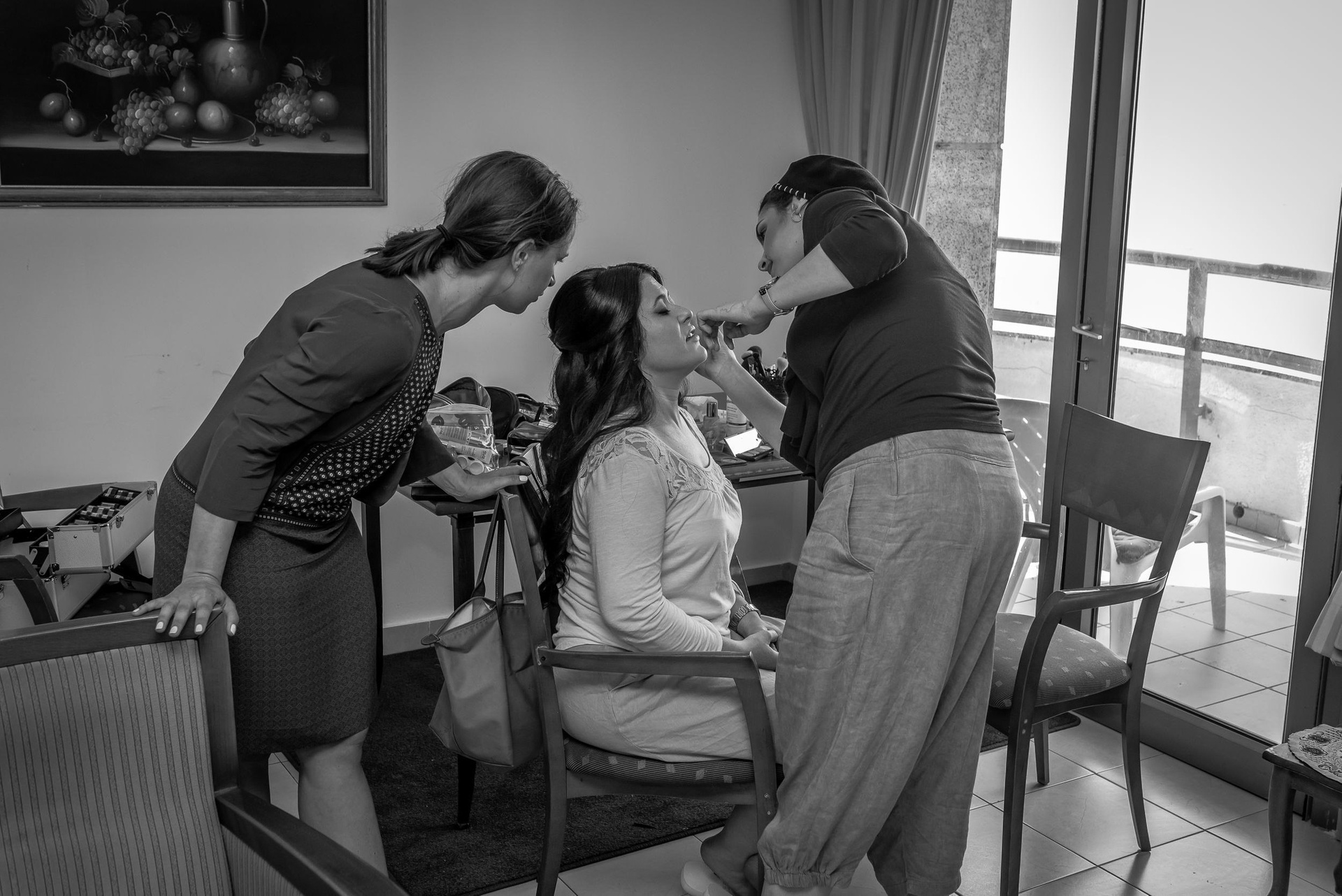
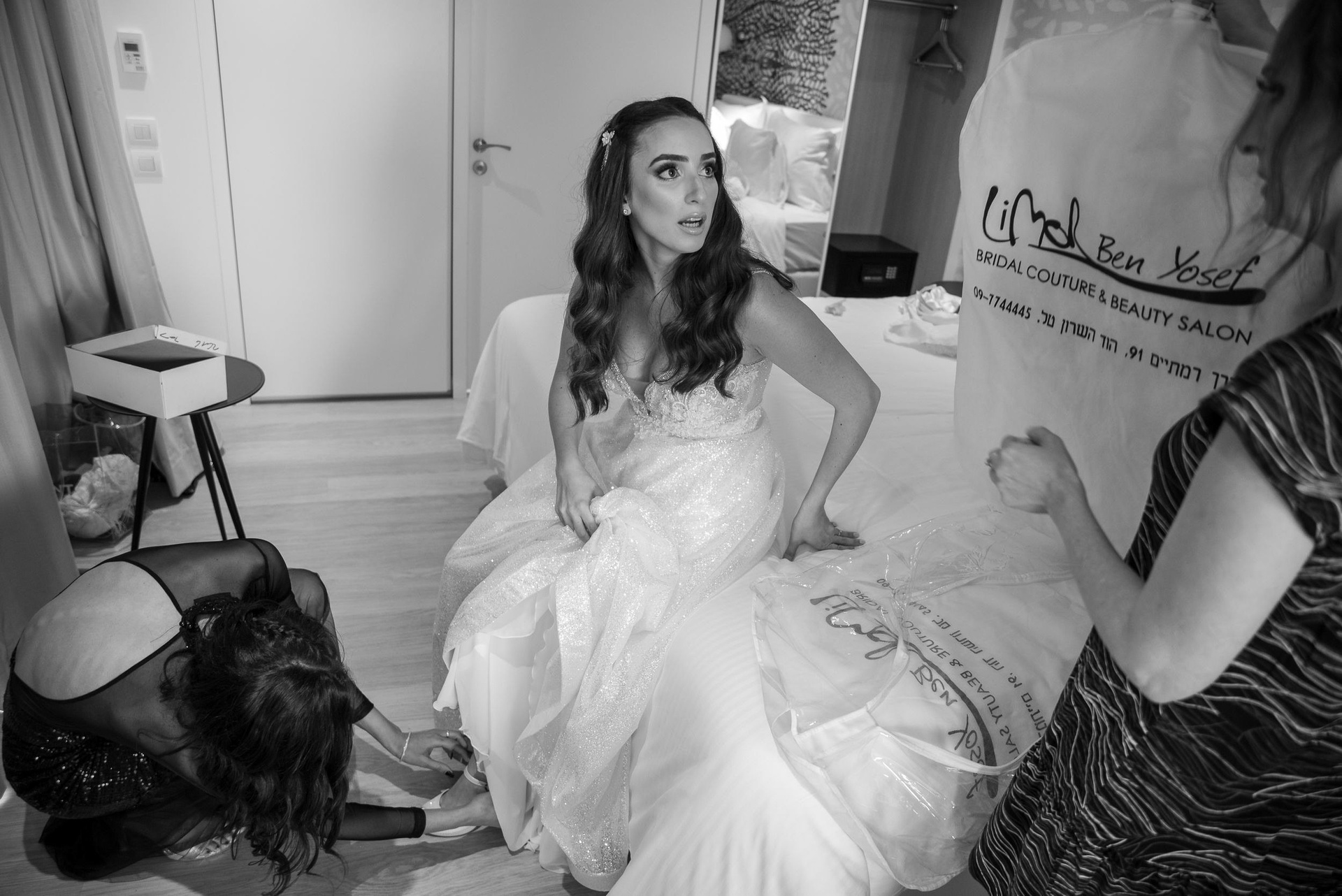
Preparations, arrivals, the ceremony, family interactions, the reception and the celebration all create recurring photographic possibilities.
You should not need to remind your photographer to notice your parents during the ceremony, the exchange of rings or the atmosphere on the dance floor.
However, knowing the structure of a wedding is not the same as following a fixed formula.
Every wedding develops differently. Timings change, emotions emerge unexpectedly and meaningful interactions often happen away from the scheduled events.
The photographer’s responsibility is to remain attentive to both: the important parts of the day and the unplanned moments unfolding around them.
A wedding is not a checklist
A list can describe subjects, but it cannot predict meaning.
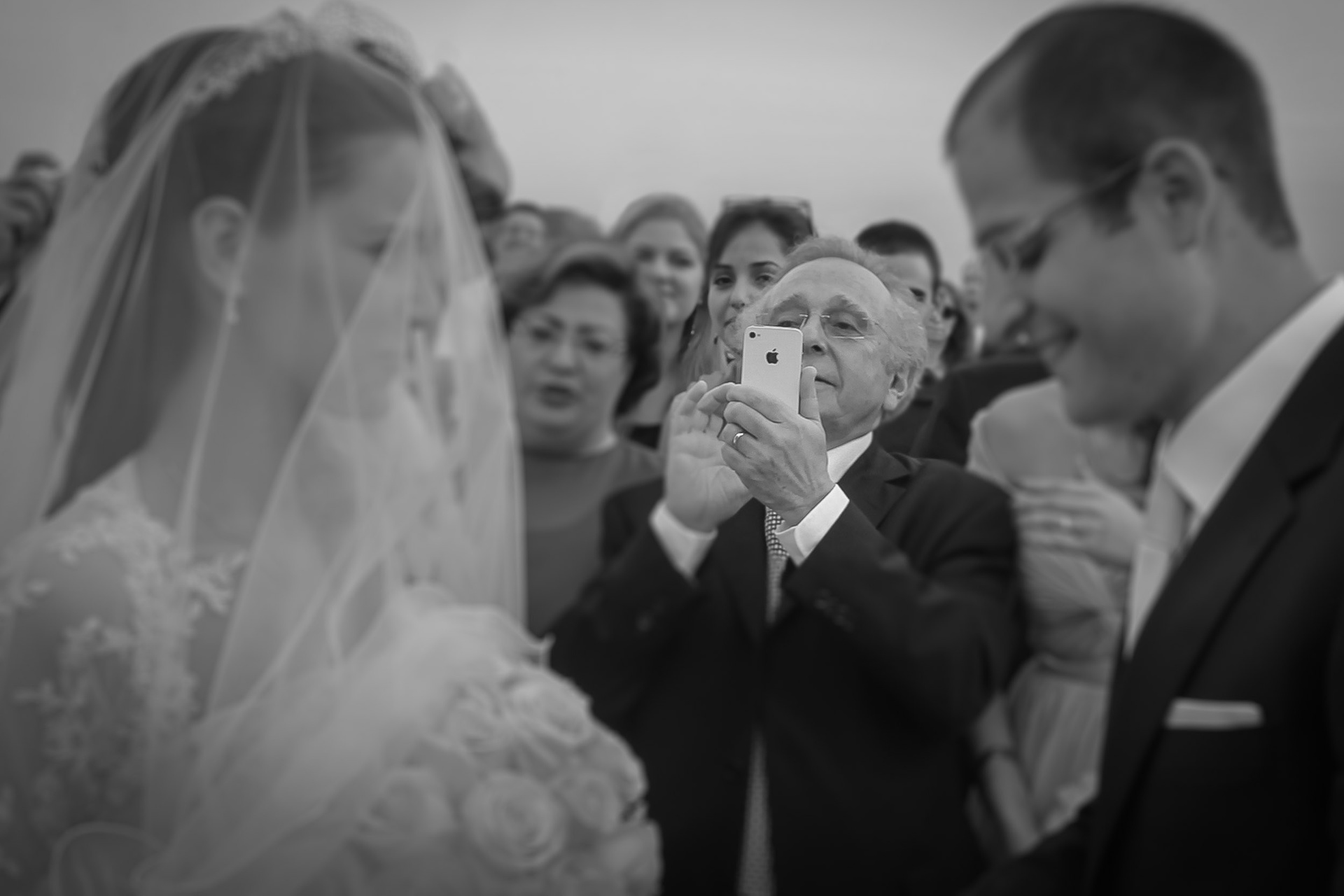
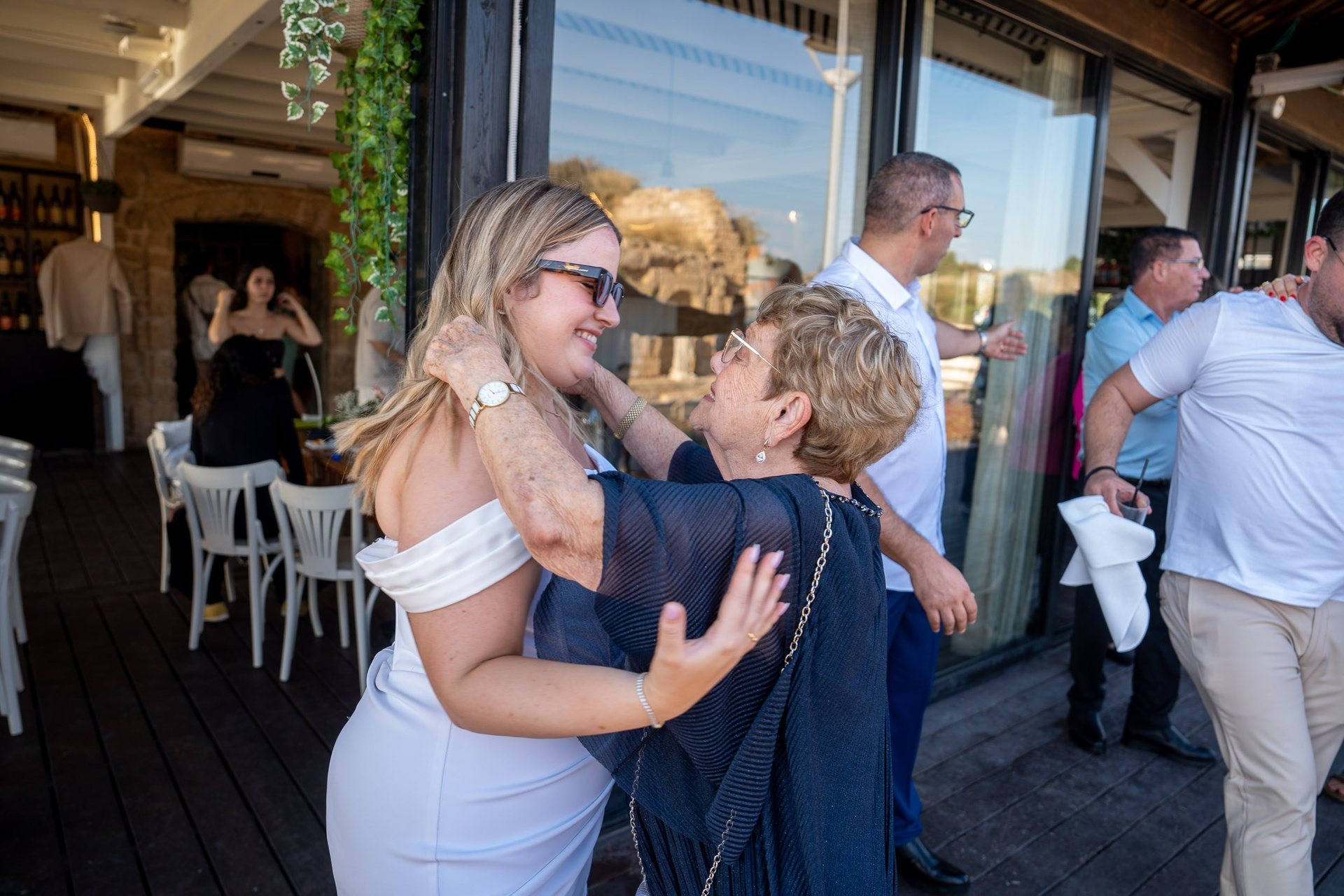
It may request a photograph of the bride with her grandmother, but it cannot anticipate the expression on her grandmother’s face when she first sees her.
It may include the ceremony entrance, but it cannot predict a parent reaching for their partner’s hand as the couple approaches.
It may mention the first dance, but it cannot describe the reactions taking place around the dance floor.
These moments are valuable precisely because they were not arranged.
Documentary photography depends on observation, timing and the freedom to respond. If a photographer is continually checking a list, they may be looking for the next expected photograph rather than noticing the moment happening directly in front of them.
What your photographer genuinely needs to know
Although a long list of standard photographs is unnecessary, certain information is extremely valuable.
Your photographer should know about people and circumstances that would not be obvious simply by observing the day.
This may include:
- Elderly relatives or guests who are especially important to you.
- Family members travelling from abroad whom you rarely see.
- Sensitive family relationships or separations.
- A parent, grandparent or close friend with health or mobility limitations.
- Someone important who will leave the wedding early.
- Personal objects carrying particular family significance.
- Cultural or religious traditions that may be unfamiliar to the photographer.
- A surprise planned for your partner or guests.
- An unusual part of the schedule that will happen only once.
This information provides context without attempting to control every photograph.
It tells the photographer where additional awareness may be needed while preserving the freedom to document events naturally.
Tell your photographer who matters—not how to photograph them
A useful note might say:
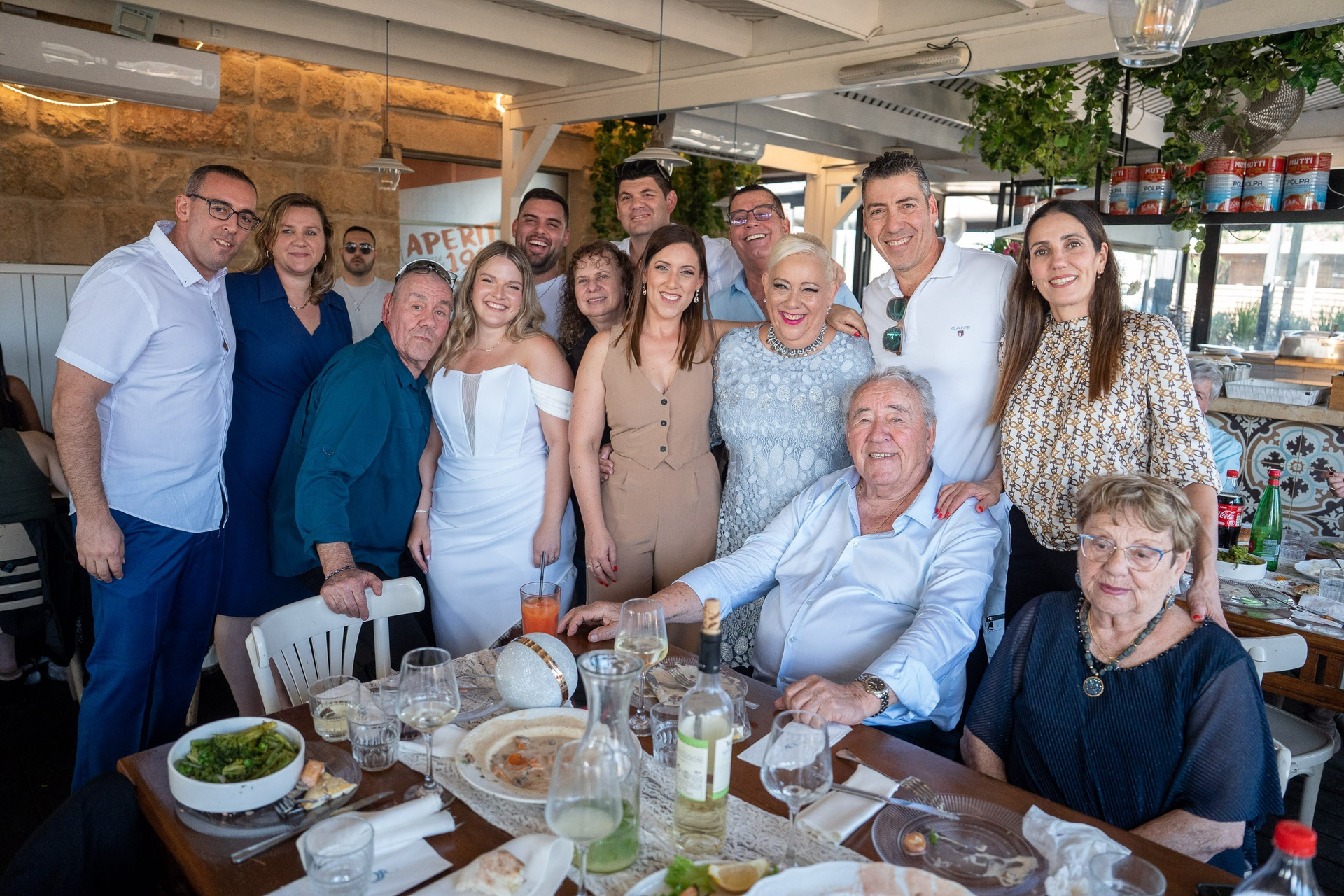
“My grandmother is 92 and she is very important to me.”
It does not need to say:
“Take a photograph of my grandmother smiling at the bride during the reception.”
The first statement gives the photographer meaningful information.
The second tries to predict an expression and interaction that may or may not happen.
By identifying the people who matter, you allow the photographer to recognise their presence throughout the day. The resulting photographs may be more subtle and meaningful than anything that could have been requested in advance.
Traditions and surprises should be explained
Not every wedding follows the same structure.
Religious customs, cultural traditions and family rituals may take place quickly or in unexpected locations. If the photographer does not know they are coming, it may be difficult to understand where to stand or what is about to happen.
You do not need to provide detailed photographic instructions.
Simply explain:
- What will happen.
- When it is expected to happen.
- Who will participate.
- Whether it will be a surprise.
- Why it is important to you.
The purpose is preparation, not direction.
Once the photographer understands the significance and timing, they can decide how to document the event as it naturally unfolds.
What about formal family photographs?
A list can be useful if you want formal family group photographs.
Unlike documentary moments, group photographs require coordination. Without a prepared list, deciding on combinations during the wedding can take longer than expected and cause important people to be overlooked.
Keep this list short and specific.
For example:
- Couple with both sets of parents.
- Couple with siblings.
- Couple with grandparents.
- Bride with her immediate family.
- Groom with his immediate family.
Use names rather than general descriptions whenever possible, and ask someone who knows the families to help gather the right people.
A short list allows these photographs to be completed efficiently so everyone can return to the wedding.
Formal family photographs are separate from the documentary coverage of the day. They do not require the rest of the wedding to become staged or directed.
Avoid lists copied from the internet
Generic online shot lists are designed for weddings that do not exist.
They may contain dozens—or hundreds—of photographs based on someone else’s priorities, traditions and expectations.
Following such a list can lead to photographs that feel complete on paper but say very little about your actual wedding.
Your photographs should not be measured by whether every standard item was recorded.
They should preserve how the day felt, who was present, how people related to one another and what made this particular wedding yours.
Leave space for photographs you could not request
Some of the most meaningful wedding photographs begin with no plan at all.
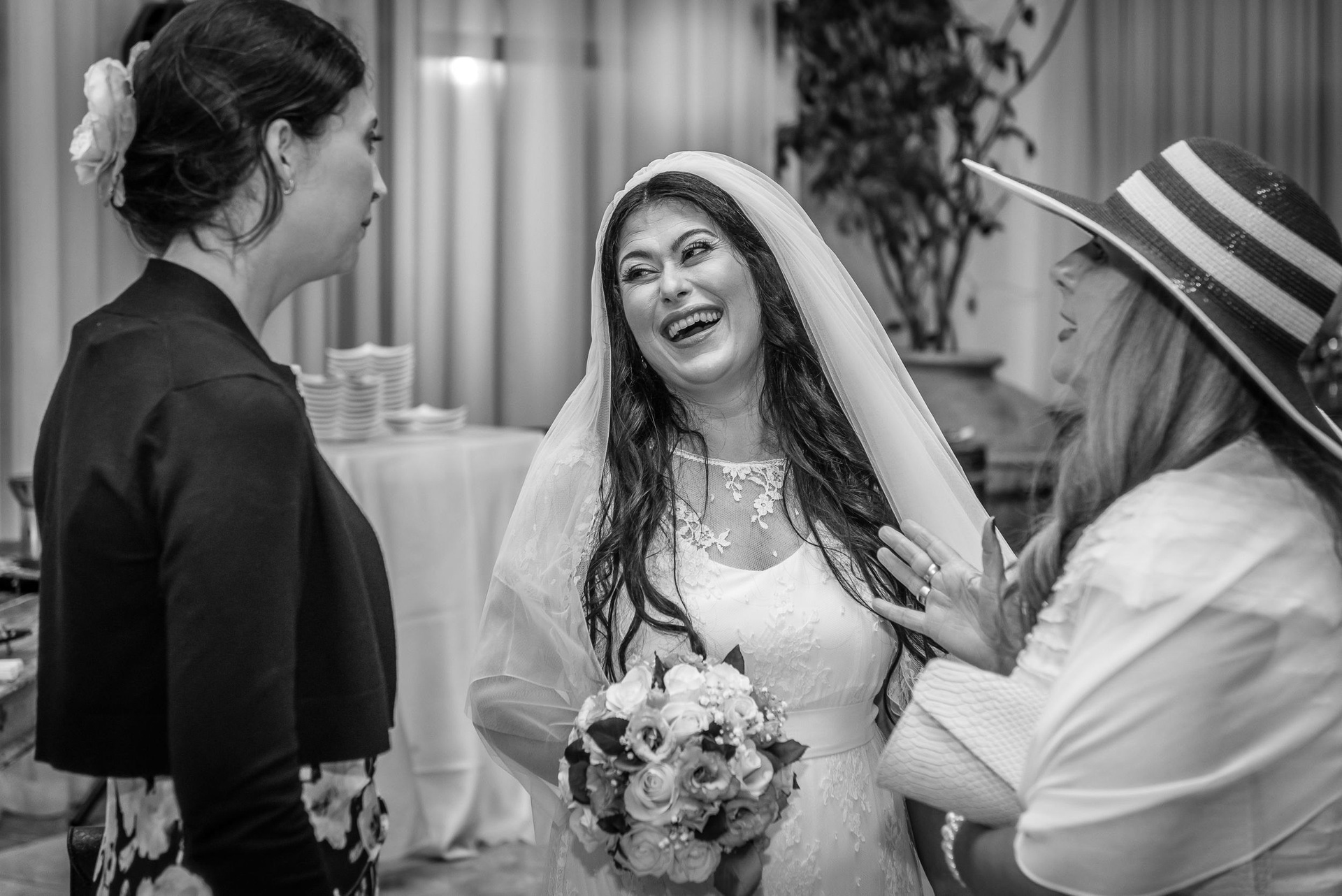
A nervous gesture before the ceremony. A parent watching from across the room. Children creating their own game beneath a table. Friends embracing after years apart. A quiet expression that lasts only a fraction of a second.
You cannot place these photographs on a list because you do not yet know they will exist.
You can only create the conditions in which they can be noticed.
That requires time, attention and trust.
Share information, then allow the story to unfold
The best preparation is not a catalogue of photographs.
It is an honest conversation about your wedding, your families and anything that carries particular meaning.
Tell your photographer about the people who matter, the traditions they should understand and the circumstances that require sensitivity.
Then allow them to observe.
A documentary photographer is not waiting for the day to match a predetermined list. They are looking for the relationships, emotions and small moments that make the story distinct.
Your wedding does not need to resemble anyone else’s.
Your photographs should not either.
No poses. No intervention. Just real stories.
JOURNAL
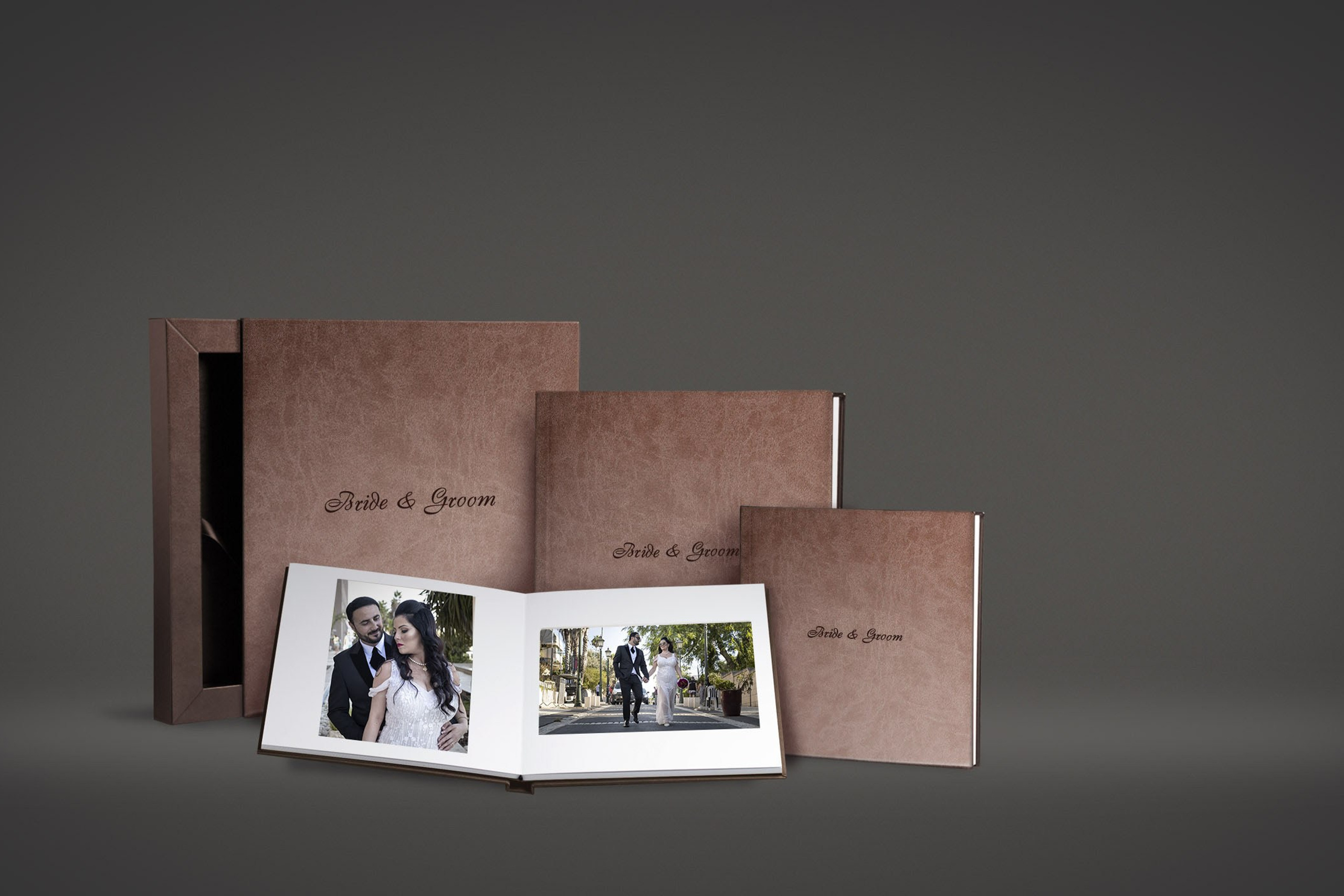
Why a Wedding Album Still Matters
Why Wedding Photographs Become More Valuable Over Time
Wedding Morning Preparation: How to Keep It Natural
Why Every Wedding Story Is Different
How to Choose a Wedding Photographer
Do You Need a Second Photographer for Your Wedding?
How to Feel Comfortable in Front of the Camera
Why the Small Moments Matter More Than the Big Ones

What Is Documentary Wedding Photography?

Why You Don't Need to Know How to Pose on Your Wedding Day
