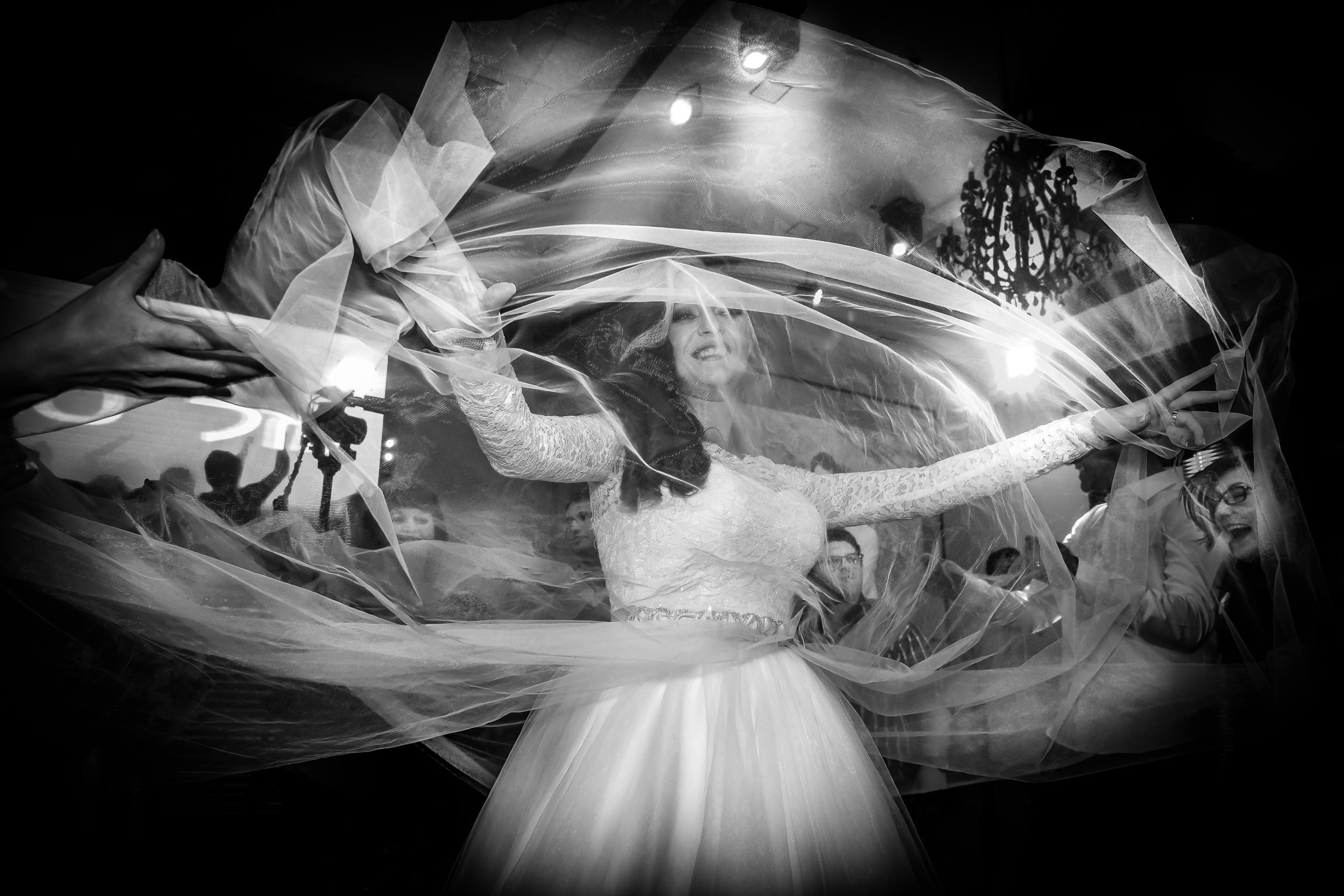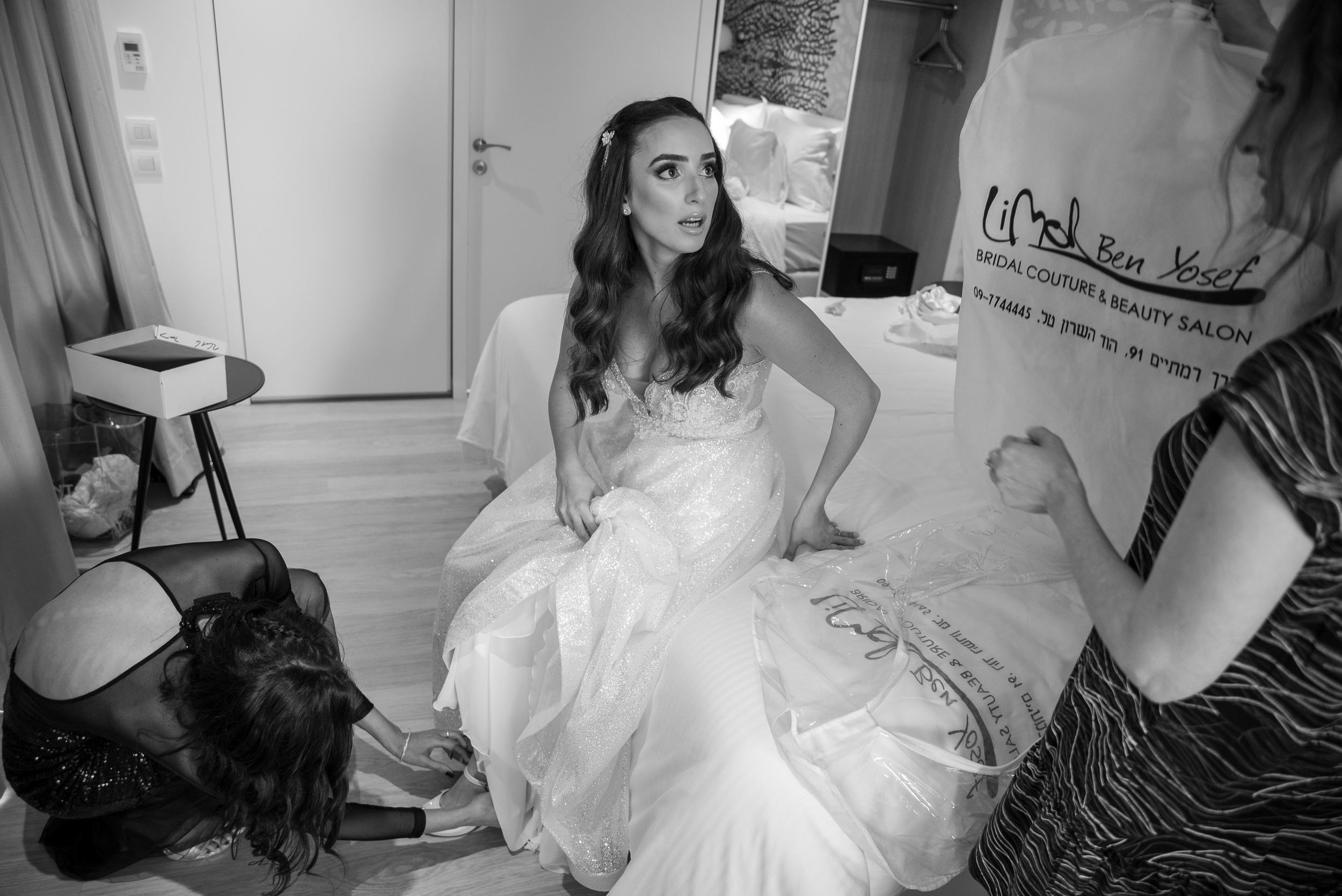
The wedding morning is often described as preparation for the main event.
But it is already part of the wedding story.
It is a time filled with anticipation, familiar routines, private conversations, practical tasks, and emotions that may not appear again later in the day.
The atmosphere can be quiet or energetic. Some people prefer to prepare with only their closest family members. Others want a room full of friends, music, and activity.
There is no single correct way to organise the morning.
The goal is not to create perfect photographs. It is to build an environment in which you can feel comfortable, remain present, and begin the wedding without unnecessary pressure.
Choose a Place Where You Can Feel Comfortable
The preparation location affects the experience of the morning.
A beautiful room can be helpful, but appearance should not be the only consideration.
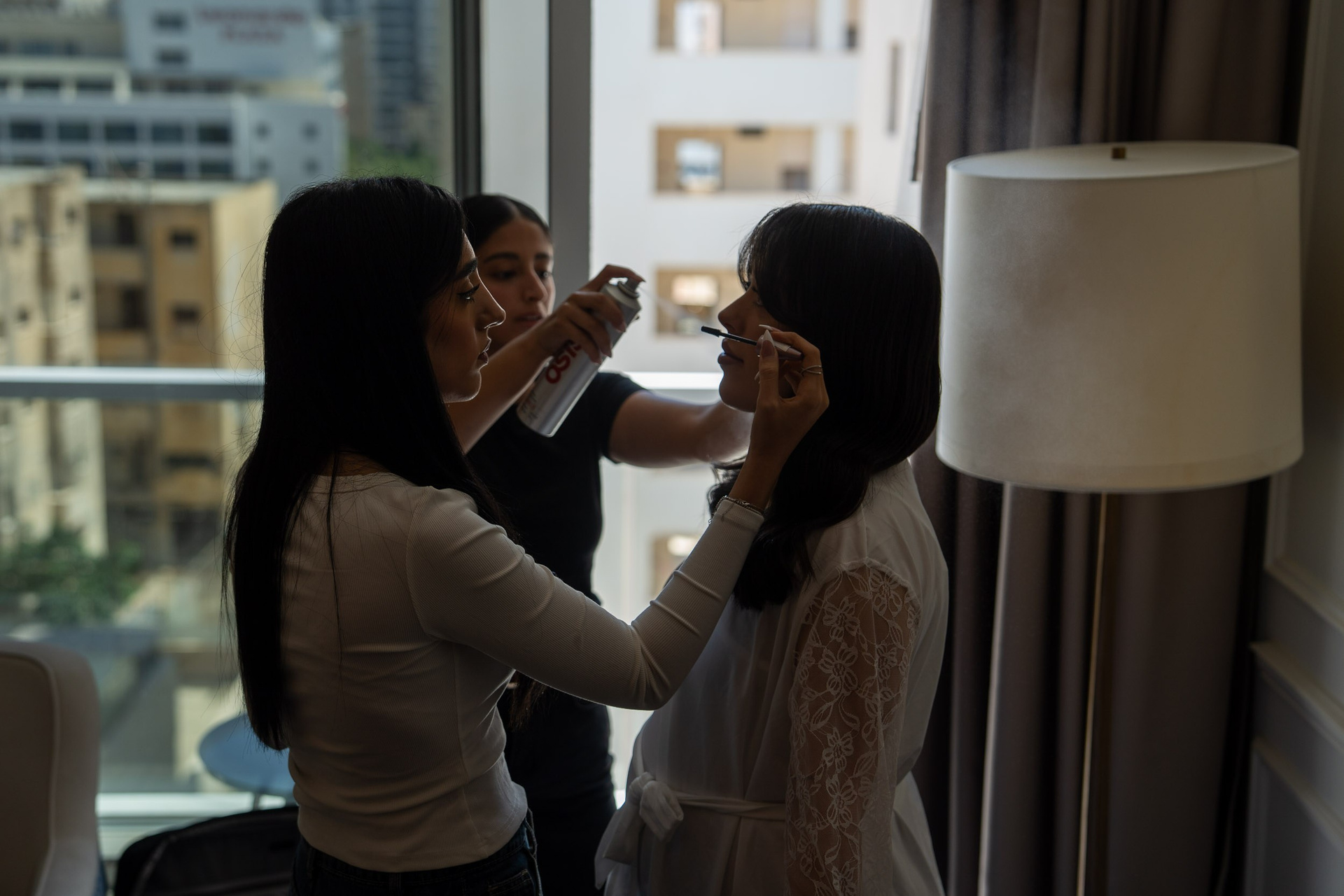
The space should be large enough for the people who will be present and practical for everyone working there. Consider natural light, ventilation, mirrors, seating, electrical sockets, and enough room for clothing and personal belongings.
Location also matters.
A long journey between the preparation space and the ceremony may create unnecessary pressure, particularly if the schedule is already tight.
The best location is not necessarily the most impressive one. It is the place where you can move naturally, spend time with the people around you, and prepare without feeling confined or rushed.
Be Intentional About Who Is Present
The people around you will shape the atmosphere more than the room itself.
Invite those whose presence helps you feel calm, supported, and like yourself.
A crowded preparation space may create energy and laughter, but it can also make simple tasks more difficult. Too many people offering advice, asking questions, or requesting photographs can quickly become overwhelming.
You do not need to include everyone from the beginning of the morning.
Some friends and relatives can arrive later, once hair, makeup, or other preparations are almost complete.
Choose people because you genuinely want to share this part of the day with them—not because you feel obliged to fill the room.
Create a Realistic Schedule
A relaxed wedding morning requires more time than the practical tasks alone appear to need.
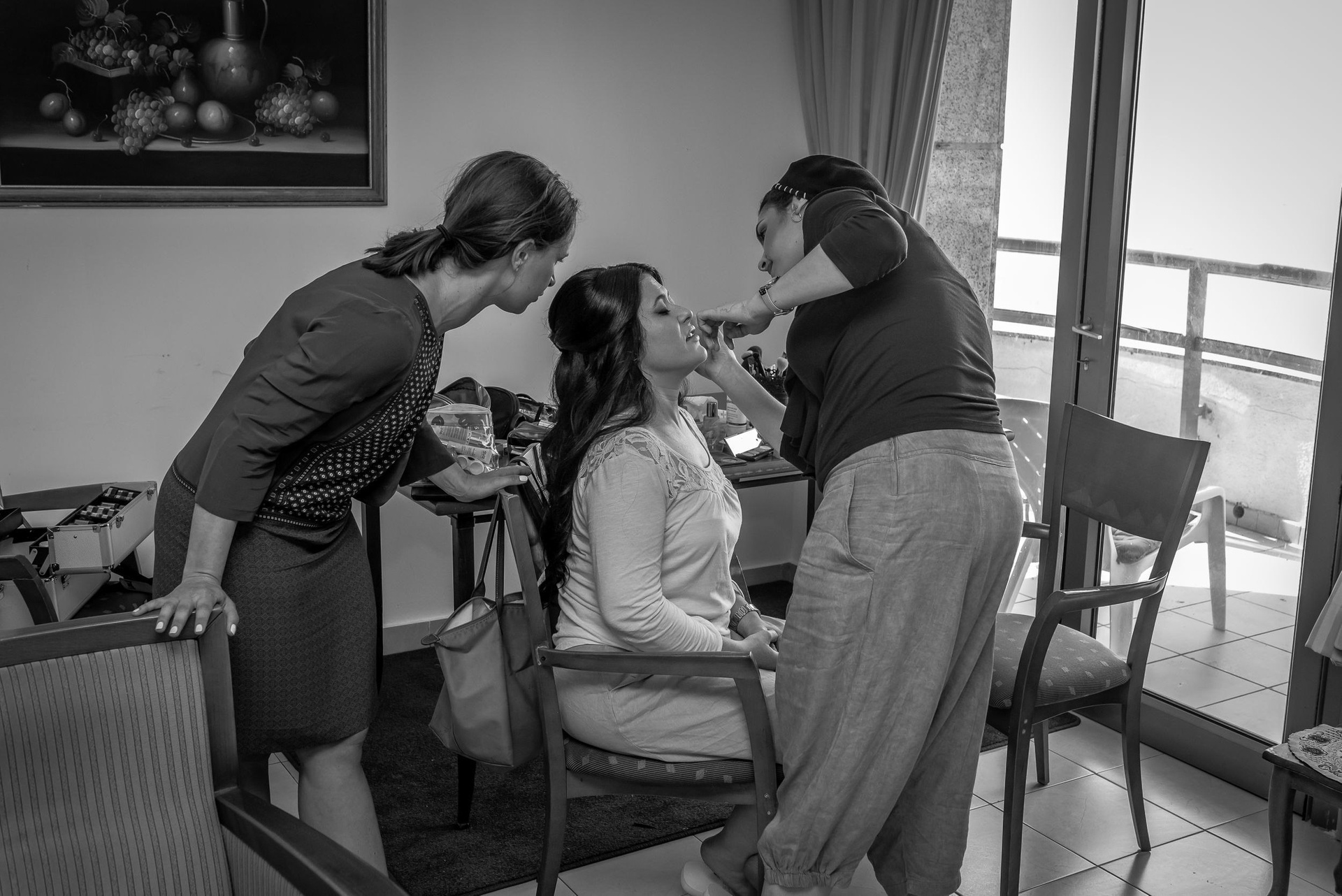
Hair and makeup can take longer than expected. Clothing may require adjustments. Someone may forget an important item. A phone call may interrupt the schedule.
Allow space for these possibilities.
If every stage is planned to the exact minute, even a small delay can create stress that continues throughout the day.
Ask your hair and makeup professionals how much time they realistically need and add a reasonable margin. Decide when you should be dressed and ready, then work backwards from that point.
The objective is not to create empty hours.
It is to avoid reaching the ceremony already feeling as though you have been racing against time.
Finish Hair and Makeup Before the Final Deadline
The preparation schedule should not end at the exact moment you need to leave.
Leave time after hair and makeup for getting dressed, making small adjustments, speaking with family, eating something, and simply taking a breath.
This period often contains meaningful interactions.
A parent sees you fully dressed for the first time. A friend helps with a button or jewellery. Someone enters the room and reacts before saying anything.
These moments cannot happen naturally when everyone is focused on being late.
Even twenty or thirty minutes of extra space can completely change the atmosphere.
Keep Important Items Together
Before the wedding morning begins, place essential items in one known location.
These may include:
- Wedding clothing and shoes.
- Rings.
- Jewellery and accessories.
- Invitations or personal letters.
- Perfume and personal items.
- Religious or cultural objects.
- Documents, keys, and anything needed later in the day.
This is not about arranging objects for a styled photograph.
It is a practical way to avoid searching through bags while the schedule is moving forward.
When everything necessary is easy to find, people can focus on the experience rather than repeatedly asking where something has been placed.
Do Not Try to Make the Room Perfect
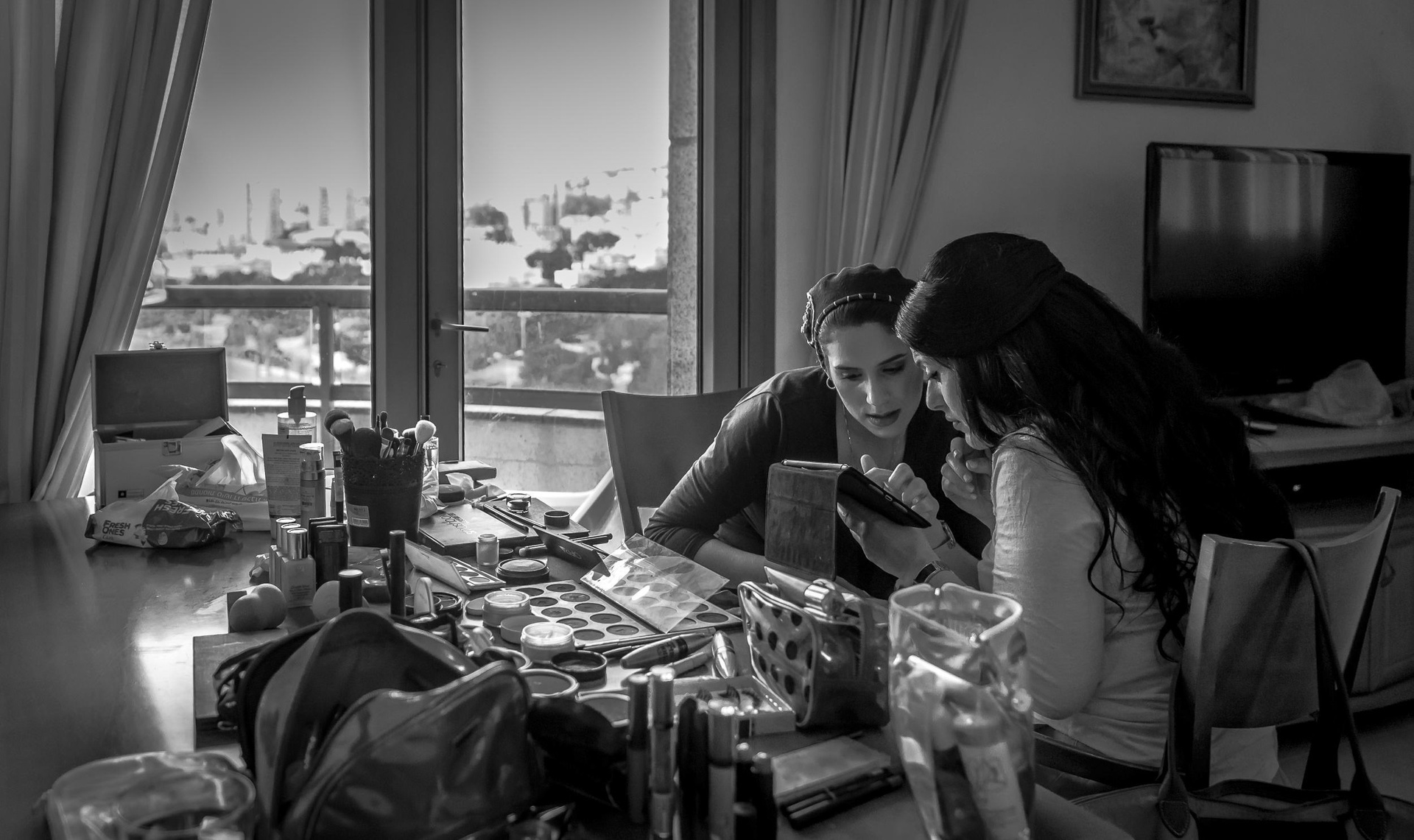
A preparation space will naturally show signs of use.
There may be clothing, bags, makeup, coffee cups, and people moving through the room.
Some organisation is helpful, especially keeping unnecessary suitcases and plastic packaging away from the main preparation area. But you do not need to turn the room into an artificial set.
The environment is part of the reality of the morning.
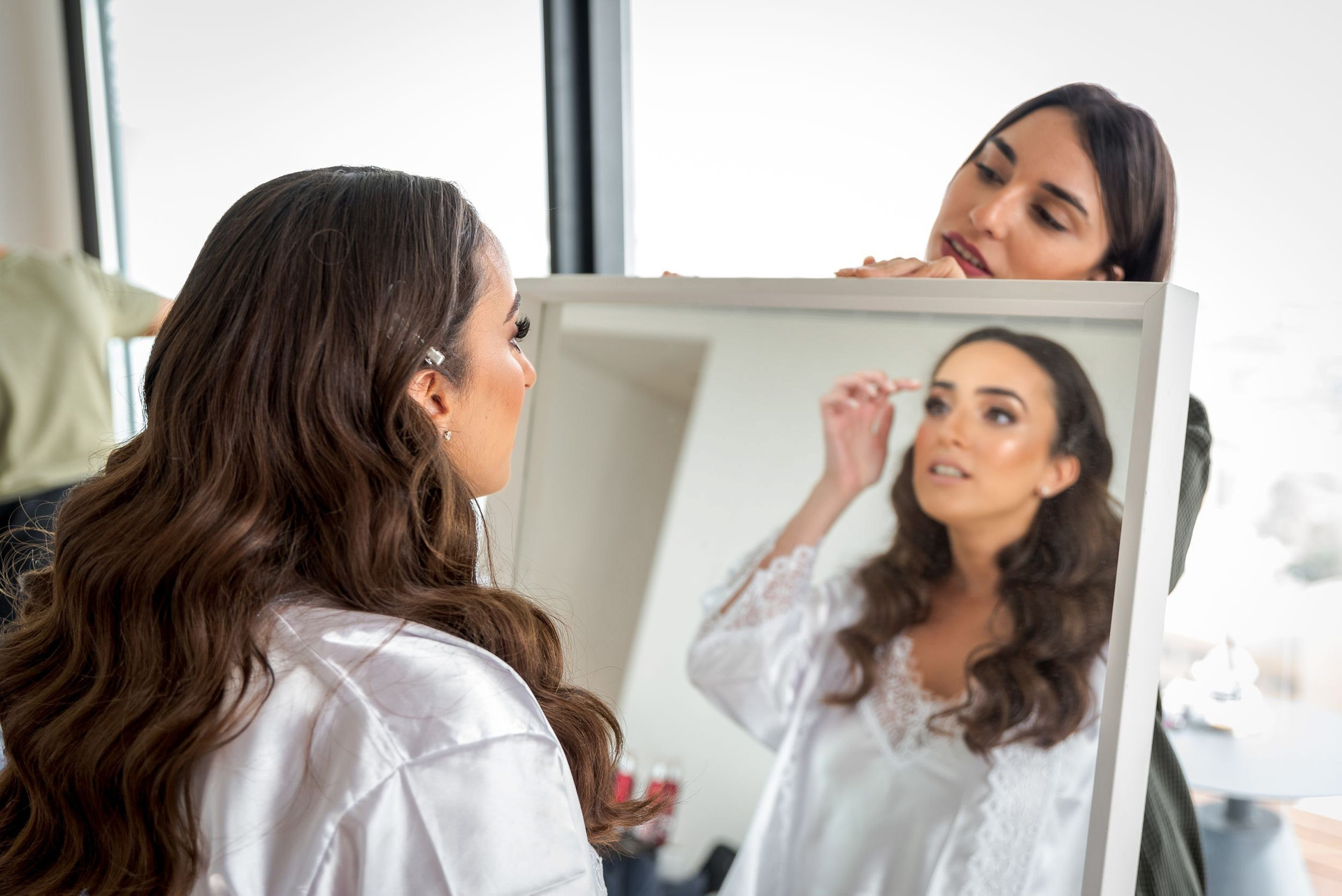
A documentary photographer works with the available space, light, and activity. They look for relationships, expressions, and moments rather than expecting everything to remain perfectly arranged.
A room that feels lived in can tell more about the day than a space cleared of every personal detail.
Eat and Drink Water
This advice is simple, but it is often forgotten.
Wedding mornings can begin early and continue for many hours. Excitement and nerves may reduce your appetite, but avoiding food entirely can leave you tired before the ceremony begins.
Prepare something easy to eat and keep water nearby.
It does not need to become a formal meal. The purpose is to maintain your energy and prevent the schedule from becoming the only focus of the morning.
Sharing breakfast or a light meal can also create a natural pause for conversation with friends and family.
Allow Real Activities to Happen
Natural photographs need something real to observe.
You do not need to invent activities for the camera.
Listen to music. Have breakfast. Speak with your parents. Read a letter if someone has written one. Help a friend with their clothing. Spend a quiet moment alone if you need it.
These actions give the morning its character.
The photographer does not need everyone to look toward the camera or pretend to continue an action that has already finished.
The most meaningful photographs usually emerge when people are engaged with one another and are not thinking about how the scene appears.
Getting Dressed Does Not Need to Become a Performance
Putting on wedding clothing is an important transition in the morning.
It is also a practical process.
Choose one or two people who know how the clothing fastens and can genuinely help. Too many hands can create confusion and turn a personal moment into a crowded performance.
You do not need to repeat movements for the camera or pause halfway through dressing.
A documentary photographer will work around what is naturally happening, paying attention to the gestures, concentration, reactions, and relationships within the room.
The photographs should reflect the experience rather than interrupt it.
Leave Space for Family Traditions
Some families include prayers, blessings, gifts, letters, or other personal traditions during the preparations.
If these moments are important to you, include them in the schedule without over-structuring them.
Allow enough time for people to experience what is happening.
Traditions become meaningful through genuine participation, not through perfect positioning for a photograph.
The photographer can observe quietly and preserve both the central action and the reactions surrounding it.
Consider Separate Preparation Locations
When partners prepare in different locations, the schedule needs particular attention.
If the locations are close and the timing allows it, one photographer may be able to document both preparations.
When they are far apart or happen simultaneously, a second photographer may be useful. This allows both parts of the morning to be documented without shortening either experience or asking anyone to recreate a moment later.
The decision should depend on logistics and what matters to you—not on the assumption that every wedding automatically requires two photographers.
You Do Not Need a Staged First Look
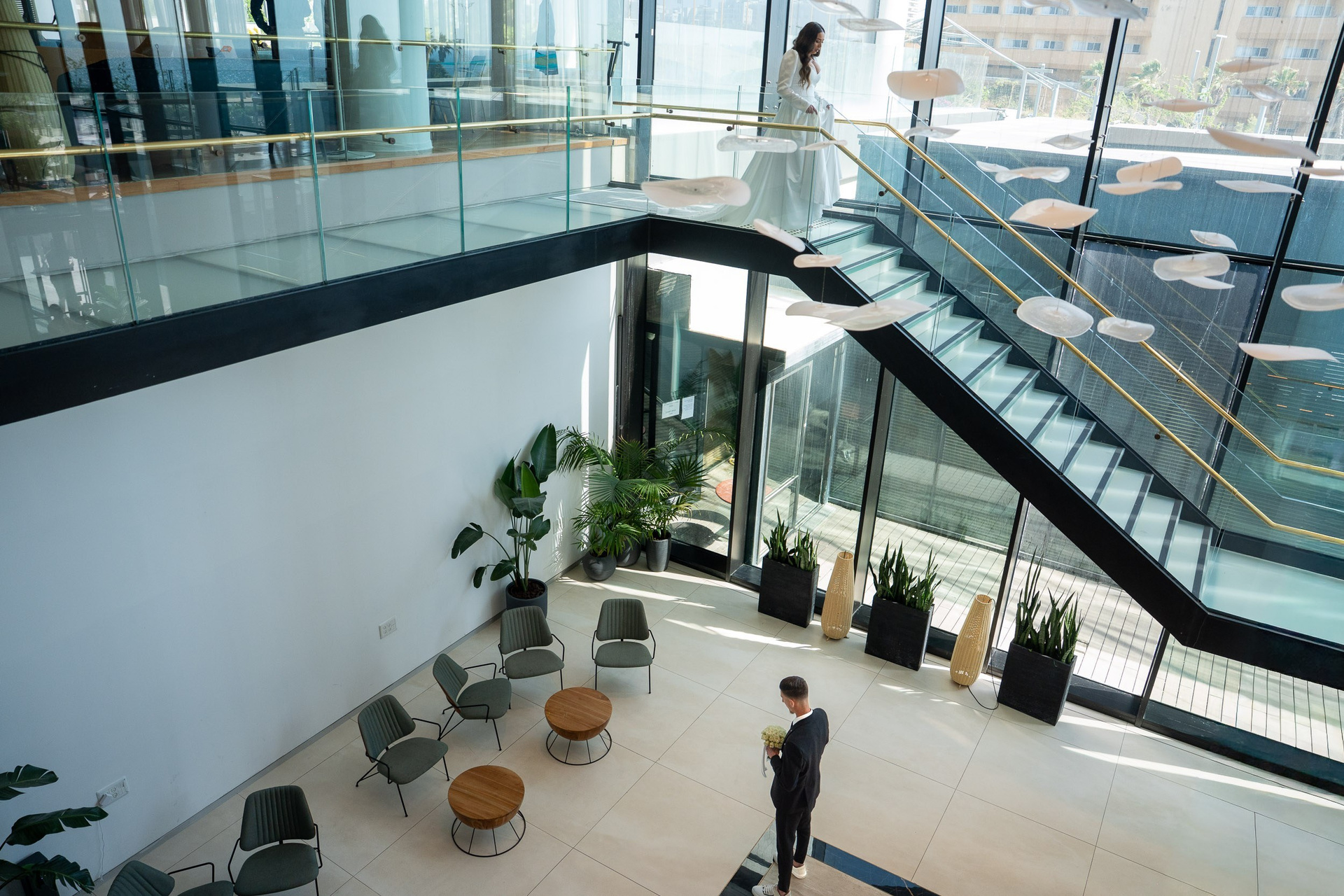
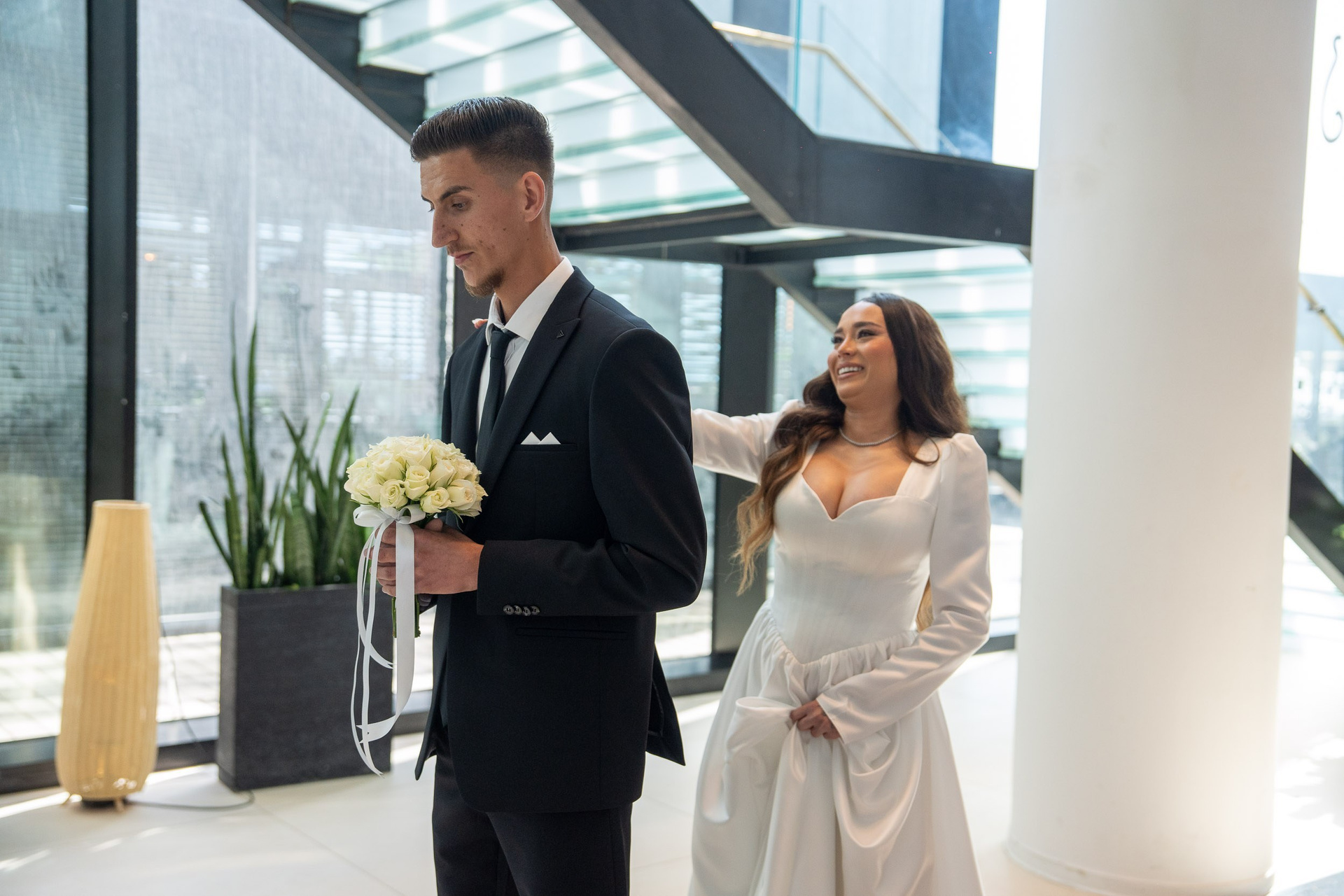
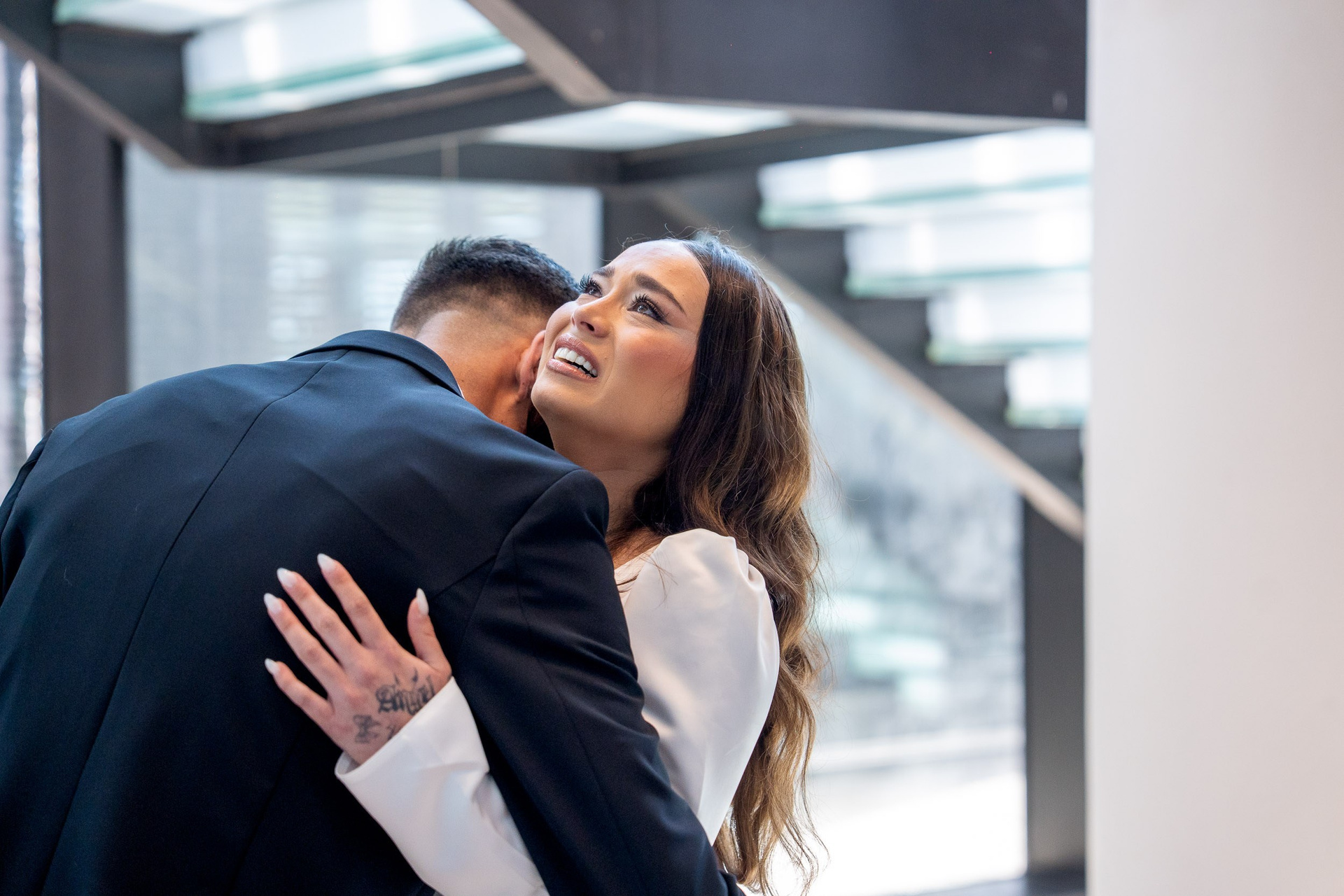
Some couples choose to see each other before the ceremony. Others prefer to meet for the first time during it.
Both choices are valid.
A first look should be included because you want that private moment together, not because it has become a required part of wedding photography.
If you choose one, it does not need detailed direction or repeated reactions. Find a place with enough privacy and allow the meeting to happen.
If you prefer to wait until the ceremony, there is no need to create an alternative moment for the camera.
The emotional meaning comes from your decision, not from following a trend.
Let the Photographer Observe
During the wedding morning, you should not need to manage the photography.
You do not need to ask where to stand, check whether every interaction was photographed, or pause whenever the camera appears.
A documentary photographer observes the relationships and rhythm of the room. They anticipate moments, adjust to changing light, and work without repeatedly requesting attention.
There may be occasions when practical guidance is useful—for example, finding a suitable place for a family photograph or avoiding an area where someone is working.
But the morning should continue to belong to you.
Photography should follow the experience, not control it.
Calm Does Not Mean Emotionless
A natural wedding morning does not need to be perfectly peaceful.
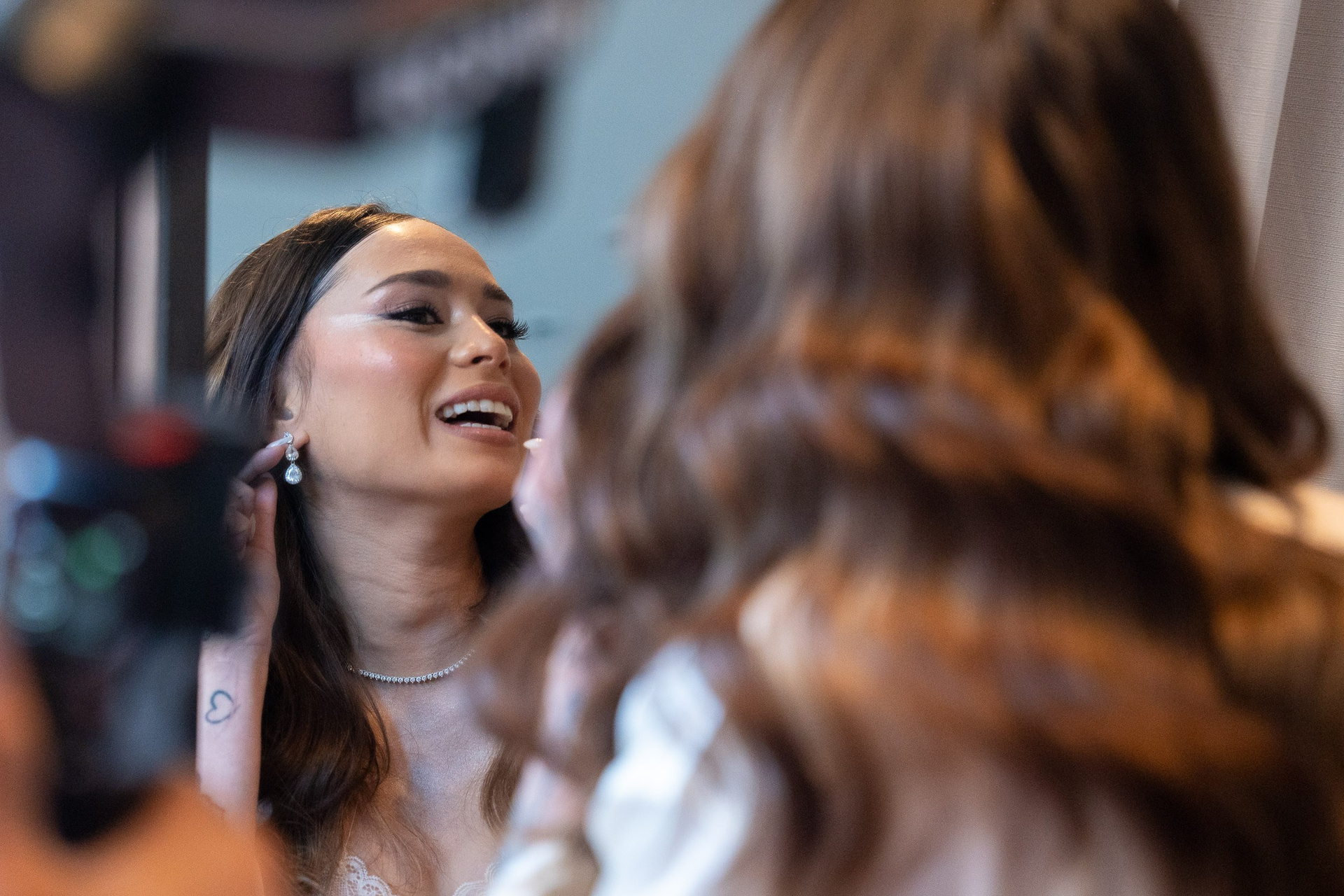
There may be nerves, tears, laughter, confusion, and sudden changes in energy.
These are not problems to hide.
They are part of the transition into the wedding day.
Trying to maintain a particular mood for the photographs can create more pressure than the events themselves.
Allow the morning to feel as it feels.
Documentary photography is not looking for constant happiness or visual perfection. It is looking for honesty.
Begin the Wedding as Yourself
The purpose of thoughtful preparation is not to manufacture a flawless morning.
It is to remove unnecessary pressure.
Choose a comfortable space. Surround yourself with the right people. Build a realistic schedule. Keep important items accessible. Eat, breathe, and allow events to develop naturally.
You do not need to perform the role of someone getting married.
You only need to experience the beginning of your wedding with the people who matter to you.
The morning is not a rehearsal or a photography session.
It is the first chapter of the story.
No posing. No intervention. Just real stories.
JOURNAL
Why Every Wedding Story Is Different
How to Choose a Wedding Photographer
Do You Need a Second Photographer for Your Wedding?
How to Feel Comfortable in Front of the Camera
Why the Small Moments Matter More Than the Big Ones

What Is Documentary Wedding Photography?

Why You Don't Need to Know How to Pose on Your Wedding Day

What Makes a Great Wedding Photograph?
Do You Need a Wedding Photography Shot List?
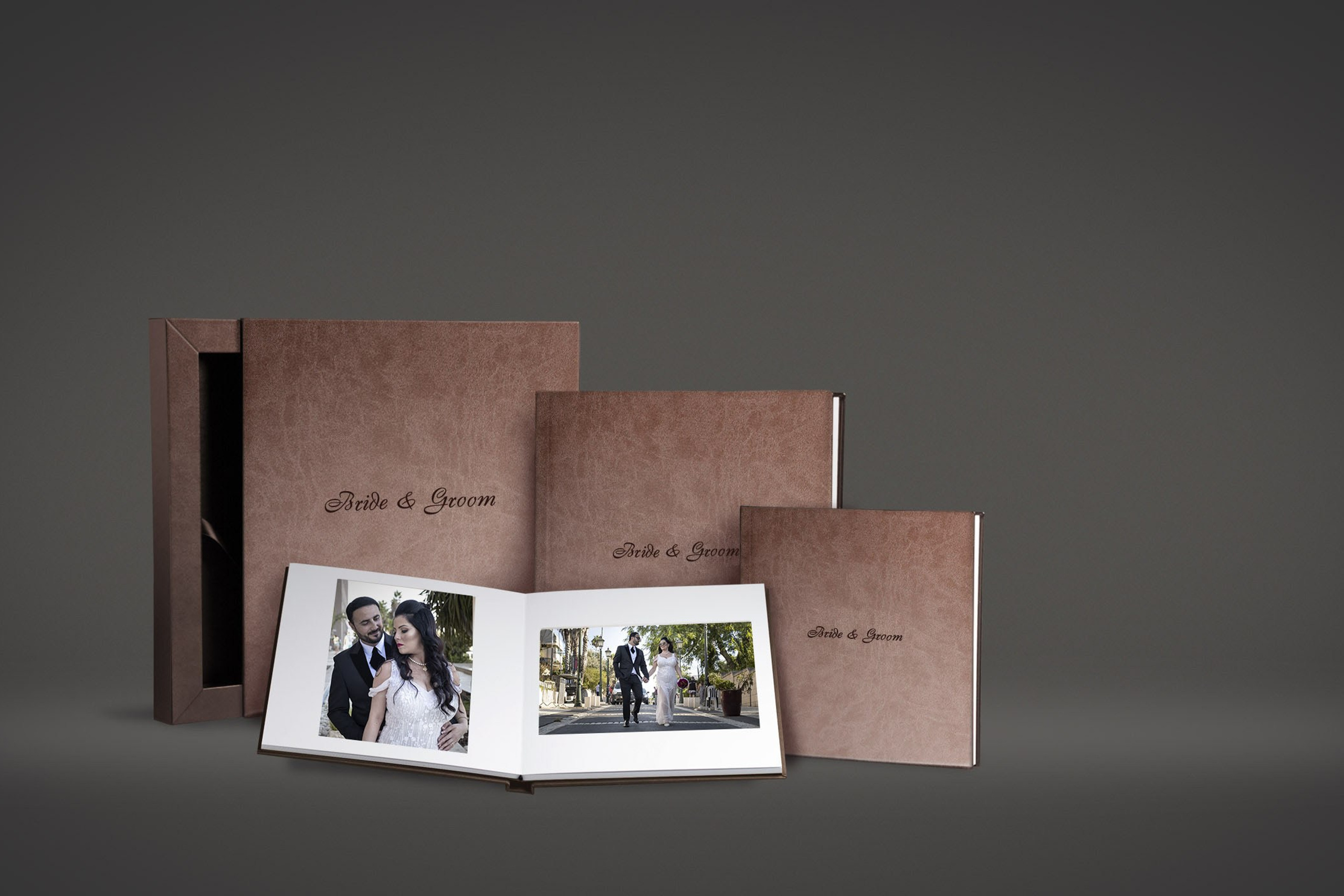
Why a Wedding Album Still Matters