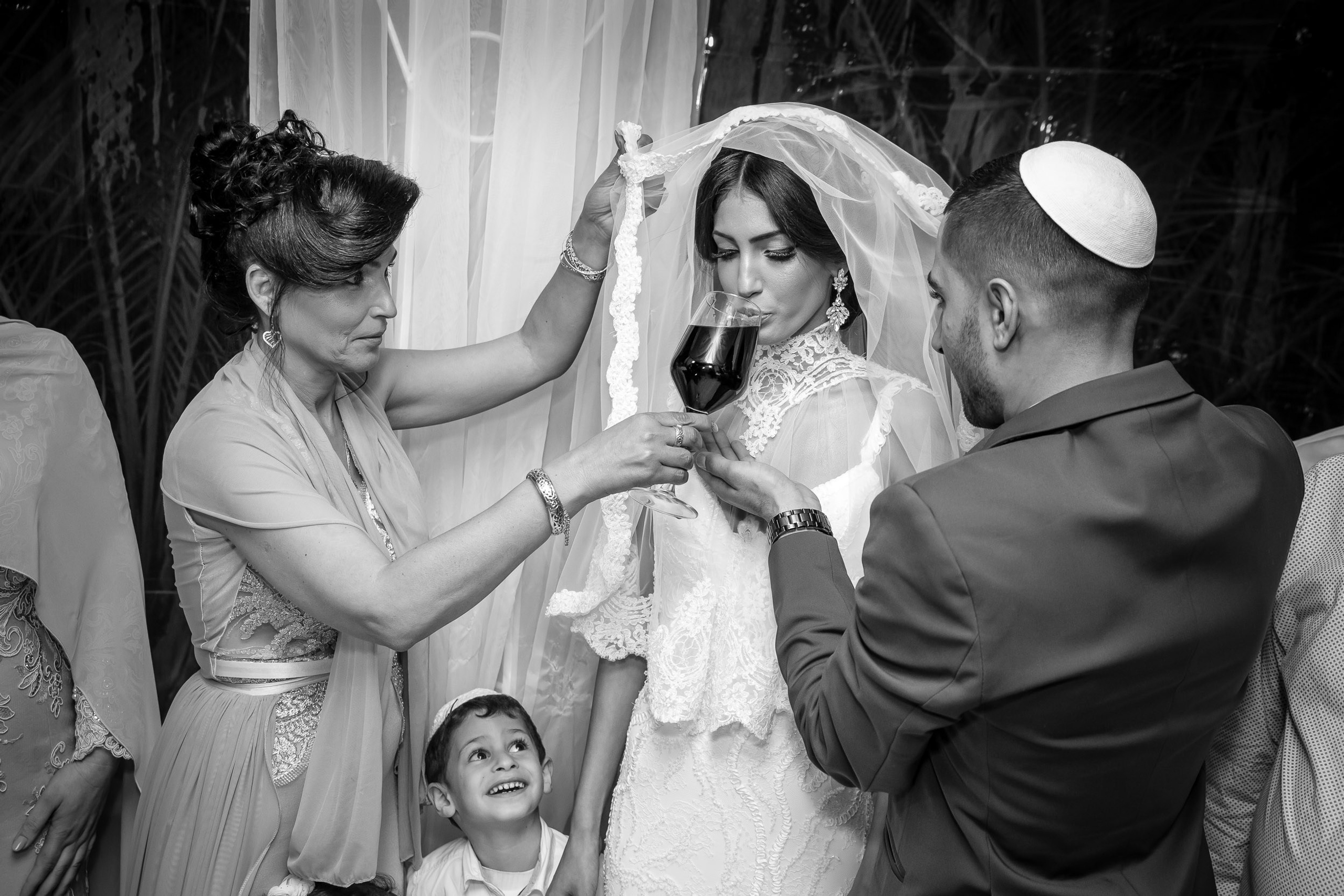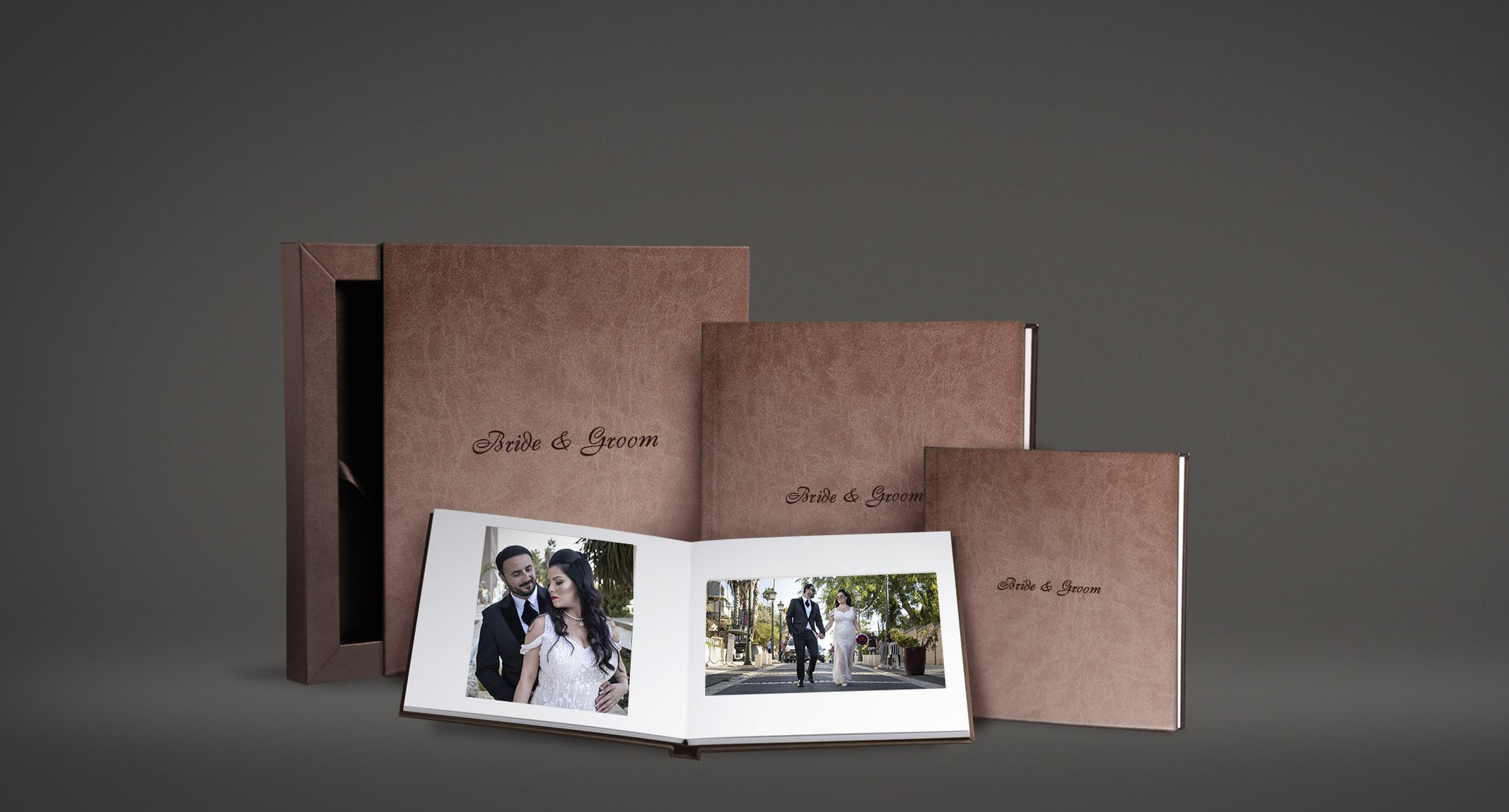
Wedding photographs are usually delivered through an online gallery.
A digital gallery is practical. It allows you to view, download, share, and store hundreds of photographs with ease.
But convenience does not always mean visibility.
After the first weeks of excitement, digital photographs can gradually disappear into folders, hard drives, phones, and changing online accounts.
A wedding album creates a different relationship with the photographs.
It gives the story a physical form and a permanent place within your home and family.
Digital Photographs Can Become Invisible
We create and receive more digital images than ever before.
They are easy to access, but they are also easy to forget.
A wedding gallery may be viewed repeatedly when it is first delivered. Favourite photographs are shared with relatives and friends. Some are posted online or used as phone backgrounds.
Over time, however, the gallery may be opened less often.
Devices are replaced. Passwords are forgotten. Files move between computers and storage services. The photographs still exist, but they are no longer part of everyday life.
An album prevents the complete story from remaining hidden inside a device.
It does not require a screen, an internet connection, or knowledge of where the files were stored.
You can simply take it from the shelf and open it.
An Album Gives the Story a Physical Presence
A printed photograph is an object.
It has scale, texture, weight, and a relationship with the space around it. Turning a page creates a slower and more deliberate experience than swiping through a screen.
This changes the way photographs are viewed.
An album encourages you to spend time with the story rather than quickly moving from one image to another.
It can be held by two people at once. It can be placed on a table during a family visit. Parents can show it to children who were not yet born when the wedding took place.
The photographs become part of the physical environment of the family.
A Wedding Is a Story, Not a Collection of Favourites
When couples first receive their photographs, they naturally identify favourites.
These may include an emotional moment during the ceremony, a strong portrait, a photograph with parents, or an image from the dance floor.
Individual photographs are important, but a wedding is more than a series of isolated highlights.
A complete story includes anticipation, transitions, quiet moments, relationships, reactions, and changes in atmosphere throughout the day.
An album brings these elements together.
It allows photographs to communicate with one another and creates a narrative that cannot be experienced through a random selection of separate images.
The strongest photograph does not always need to stand alone.
Sometimes its meaning becomes clearer because of the image placed before or after it.
Sequence Creates Meaning
The order of photographs affects how a story is understood.
A quiet image of someone waiting before the ceremony may gain emotional weight when followed by the moment the couple sees each other.
A wide photograph can establish a place before a closer frame reveals an interaction.
A page filled with movement and celebration may feel stronger after a calm and simple spread.
Thoughtful sequencing recreates the rhythm of the day.
It moves between anticipation and release, public events and private moments, detail and atmosphere.
Album design is therefore not simply arranging attractive images on pages.
It is a form of visual storytelling.
Not Every Photograph Needs to Be Included
A complete album does not need to contain every photograph from the gallery.
Including too many images can make each page feel crowded and reduce the impact of the strongest moments.
The purpose is to preserve the complete emotional and narrative shape of the day—not every repeated expression or variation of the same event.
A thoughtful selection may include:
- Important stages of the wedding.
- People central to the story.
- Relationships and genuine interactions.
- Establishing photographs that show place and atmosphere.
- Quiet transitions between major events.
- Details that provide context.
- Unexpected moments that give the story its individuality.
The result should feel complete without becoming overwhelming.
The People Will Become More Important
When an album is first created, you may notice the clothing, flowers, venue, and visual design of the wedding.
Years later, your attention may move toward the people.
You will look at parents, grandparents, siblings, friends, and children. You will notice expressions, familiar gestures, and relationships that have changed with time.
Some photographs will gain meaning because the people within them are no longer present.
Others will show the beginning of relationships that continued to develop after the wedding.
An album keeps these people together within the context of one day.
It becomes more than a record of a celebration.
It becomes a record of a family at a particular moment in its history.
An Album Connects Generations
Wedding albums often outlive the people for whom they were originally created.
Children may see their parents before they knew them. Future generations may recognise family resemblances or encounter relatives they never had the opportunity to meet.
The album provides context that a single framed photograph cannot.
It shows who was present, how people interacted, what traditions were practised, and how the celebration developed.
This gives future viewers more than isolated images.
It gives them a way to understand the relationships and atmosphere of the family from which they came.
A personal wedding story gradually becomes part of a wider family archive.
Parents Experience the Wedding Differently
The wedding belongs to the couple, but parents experience it from another perspective.
They may have helped plan the day, welcomed guests, participated in traditions, and watched their family move into a new stage of life.
A smaller parent album can preserve that experience in a form they can keep themselves.
When parent albums are exact copies of the main album, everyone retains the same complete story rather than receiving only a few selected photographs.
These albums often become especially valuable because they remain visible in different family homes and are shared with relatives who visit.
Quality Matters Because the Album Is Intended to Last
A wedding album is not a temporary product.
It is designed to be handled, revisited, and preserved for many years.
Materials therefore matter.
Archival-quality paper, professional printing, durable binding, and careful construction help protect the photographs from fading and physical damage.
The album should also be stored responsibly.
Keep it away from direct sunlight, high humidity, and extreme changes in temperature. Clean, dry hands and a stable shelf will help preserve the pages and cover.
No physical object is completely permanent, but thoughtful production and storage can allow an album to remain part of the family for generations.
Timeless Design Allows the Photographs to Lead
Album design is influenced by taste, and visual trends naturally change.
A design that relies heavily on decorative graphics, fashionable colours, or complicated layouts may eventually compete with the photographs.
A simpler approach tends to age more quietly.
Clean spacing, consistent proportions, and restrained typography allow the images to remain central.
This does not mean every page must look the same.
The rhythm can change according to the story: one photograph may fill an entire spread, while a sequence of smaller images may describe movement or interaction.
The design should support the photographs rather than attempt to become the main subject.
You Do Not Need to Order It Before the Wedding
Some couples include an album when booking their wedding photography.
Others prefer to make the decision after receiving the final gallery.
Both approaches are reasonable.
Before the wedding, it can be difficult to imagine which photographs will matter most or how the complete story will feel.
Choosing the album later allows you to experience the gallery first and understand which people, moments, and parts of the day have the greatest meaning for you.
The important thing is not whether the album is ordered before or after the wedding.
It is ensuring that the intention to create one does not remain postponed indefinitely.
Digital files are easily forgotten. The longer the decision is delayed, the more likely the photographs are to remain inside a folder rather than becoming a physical family record.
An Album Does Not Replace Digital Preservation
A printed album and digital backups serve different purposes.
The album creates a physical experience and preserves a carefully selected narrative.
The digital files retain the complete photographic record and allow additional prints or albums to be created in the future.
Keep the full gallery in more than one secure location.
Use an external drive and reliable cloud storage rather than depending on a single computer, phone, or online gallery.
Technology changes, so backups should be checked occasionally to ensure the files remain accessible.
The album protects the story from becoming invisible.
The backups protect the complete archive from being lost.
Both are important.
It Creates a Reason to Return to the Photographs
An album does more than store photographs.
It creates an invitation to revisit them.
You may open it on an anniversary, during a family gathering, or without any particular reason. Each viewing can reveal something that previously went unnoticed.
The photographs remain the same, but your relationship with them changes.
A small gesture becomes more important. A familiar expression brings back a voice. Someone in the background becomes central to the memory.
This is how an album gains value over time.
It remains available while life continues around it.
The Physical Continuation of the Story
A wedding lasts one day.
The online gallery provides the complete photographic record of that day, but an album gives the story a lasting physical form.
It allows the photographs to live beyond screens and temporary online spaces.
It keeps people, relationships, atmosphere, and memory together in a sequence that can be experienced again and passed forward.
A wedding album is not simply a collection of prints.
It is the physical continuation of the story.
JOURNAL
Why Wedding Photographs Become More Valuable Over Time
Wedding Morning Preparation: How to Keep It Natural
Why Every Wedding Story Is Different
How to Choose a Wedding Photographer
Do You Need a Second Photographer for Your Wedding?
How to Feel Comfortable in Front of the Camera
Why the Small Moments Matter More Than the Big Ones

What Is Documentary Wedding Photography?

Why You Don't Need to Know How to Pose on Your Wedding Day

What Makes a Great Wedding Photograph?