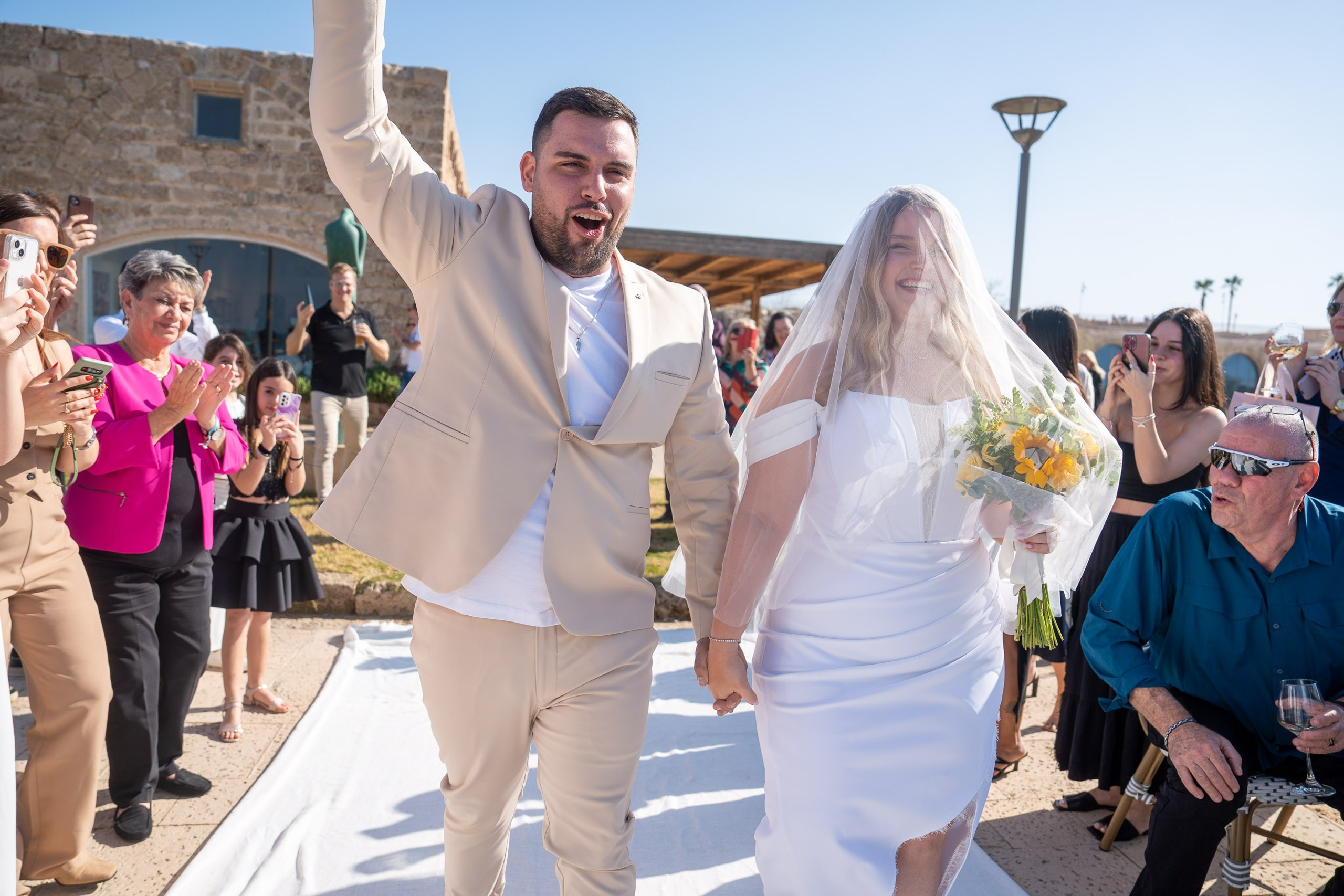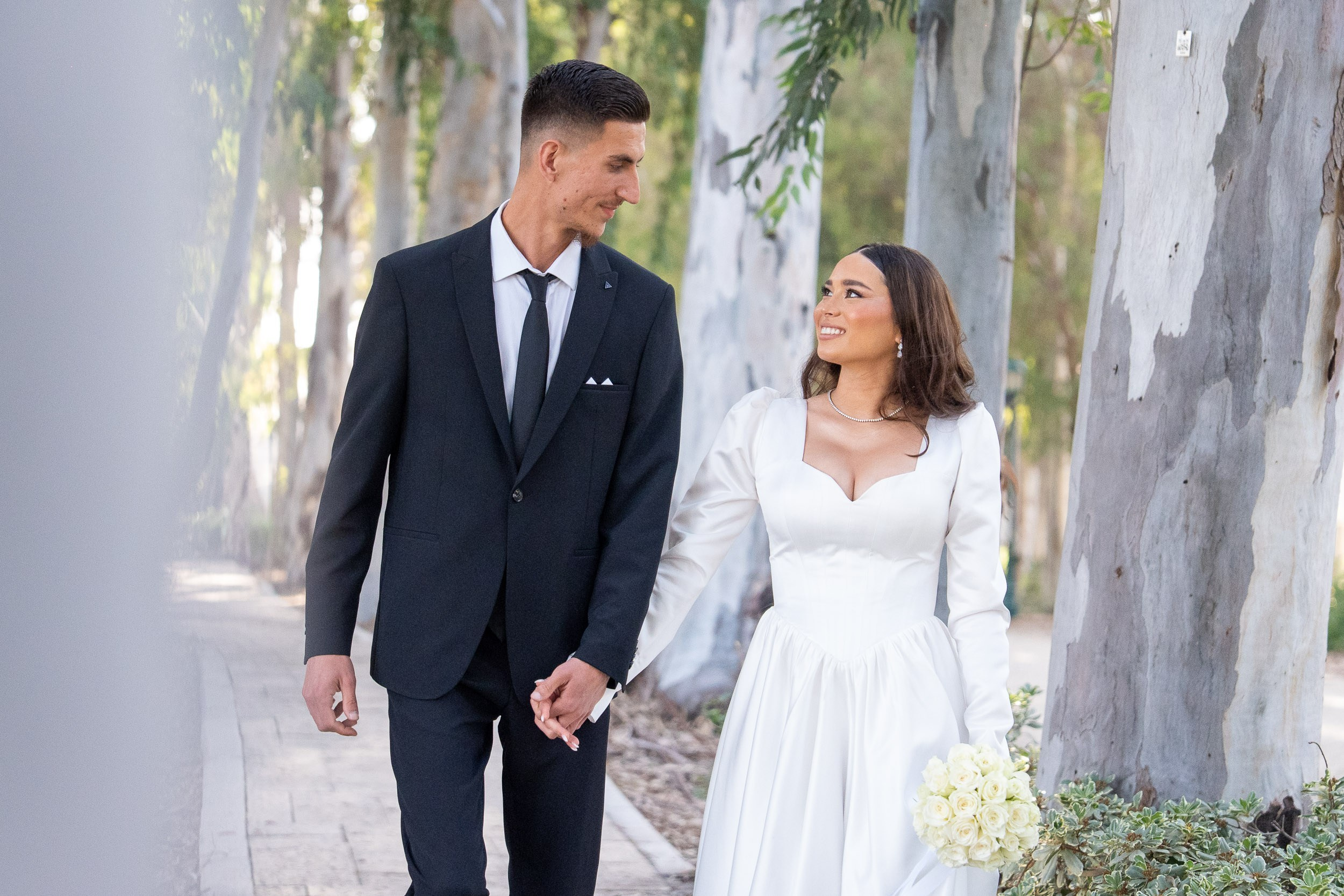
Choosing a wedding photographer is not simply a matter of finding photographs you like.
You are choosing the person who will observe one of the most personal days of your life and decide how it will be remembered.
Style, experience, personality, and trust all matter. So does the photographer’s ability to create a complete and honest record—not only a collection of impressive individual images.
The right photographer should understand what matters to you and document the wedding in a way that feels true to your experience of it.
Begin With the Kind of Photographs You Value
Before comparing photographers, consider what you want your photographs to preserve.
Are you drawn to carefully directed portraits, editorial compositions, or moments that happen naturally?
Do you want the photography to shape the schedule, or would you prefer it to follow the rhythm of the day?
There is no single correct approach. The important thing is to choose a photographer whose work reflects how you want to experience your wedding.
If genuine interactions, atmosphere, and human connection matter most to you, look for a photographer who consistently demonstrates an ability to observe rather than direct.
Their portfolio should show more than beautiful light and carefully composed portraits. It should make you feel something about the people and the relationships within the photographs.
Look Beyond the Best Images
Every photographer presents their strongest work.
A portfolio is useful, but it usually contains photographs selected from many different weddings. It may show excellent individual images without revealing how consistently the photographer documents an entire day.
Ask to see complete wedding stories.
A full gallery or extended wedding feature will show how the photographer works in different situations: preparations, difficult light, quiet transitions, the ceremony, family interactions, speeches, and the energy of the evening.
Look at the photographs between the obvious highlights.
Can the photographer find meaning during ordinary parts of the day? Do the images remain strong when the light is imperfect? Can they create a coherent story without relying only on portraits, decorations, and major events?
Consistency across a complete wedding is more important than a small number of exceptional photographs.
Understand How the Photographer Works
Two photographers may create visually appealing work while approaching the wedding very differently.
Some provide detailed direction throughout the day. Others intervene only when necessary. Documentary photographers generally observe events as they naturally unfold and avoid asking people to repeat moments for the camera.
Ask what the photographer will expect from you.
Will you need to set aside significant time for portraits? Will family photographs be organised? Does the photographer direct the preparations or allow them to happen naturally? How do they work during the ceremony and reception?
The answers will help you understand not only how the photographs will look, but also how photography will affect your experience of the wedding.
A photographic style is not simply a visual treatment. It is also a way of working.
Pay Attention to Real Moments
Many photographers describe their work as natural, candid, or documentary.
The photographs should demonstrate what those words mean.
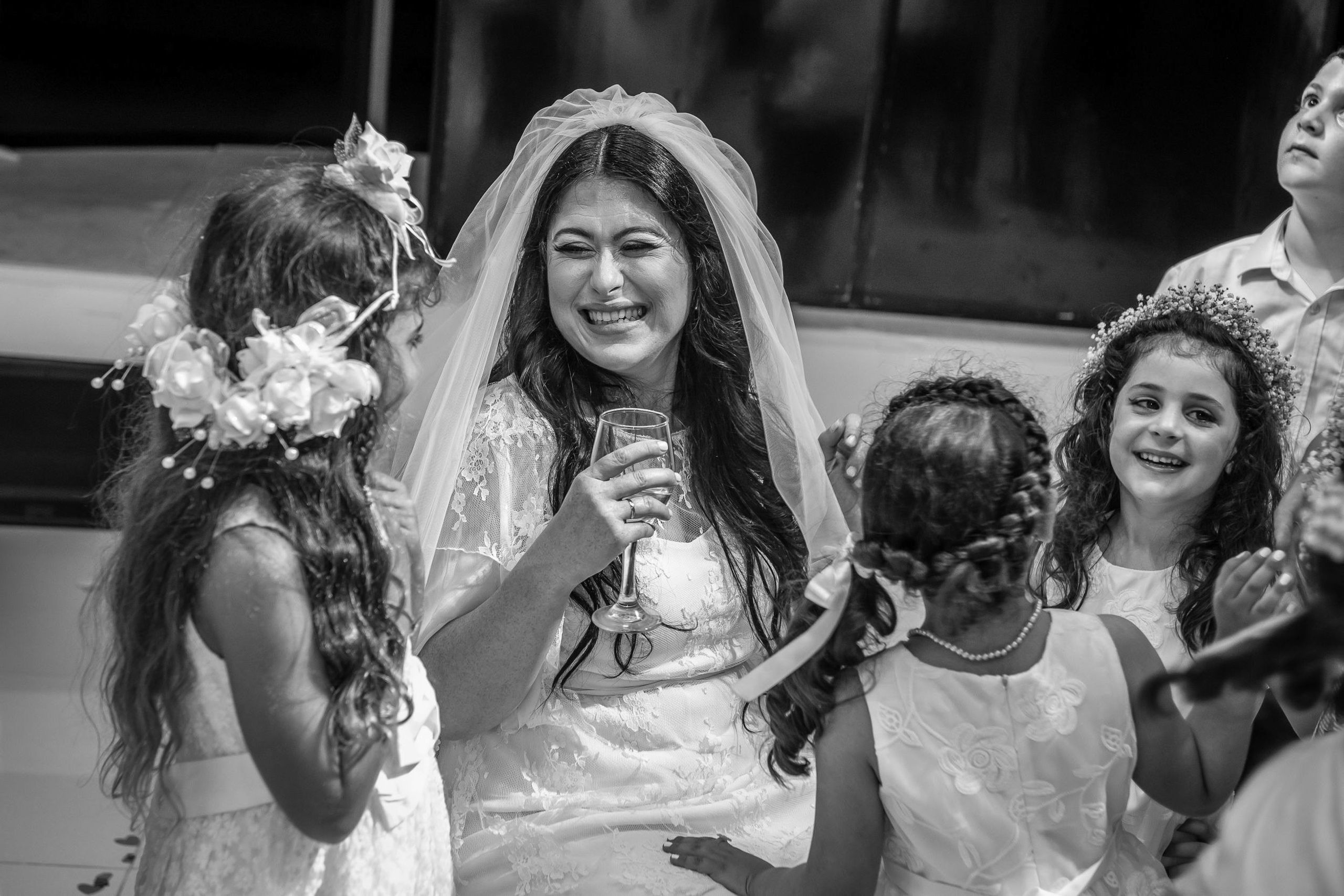
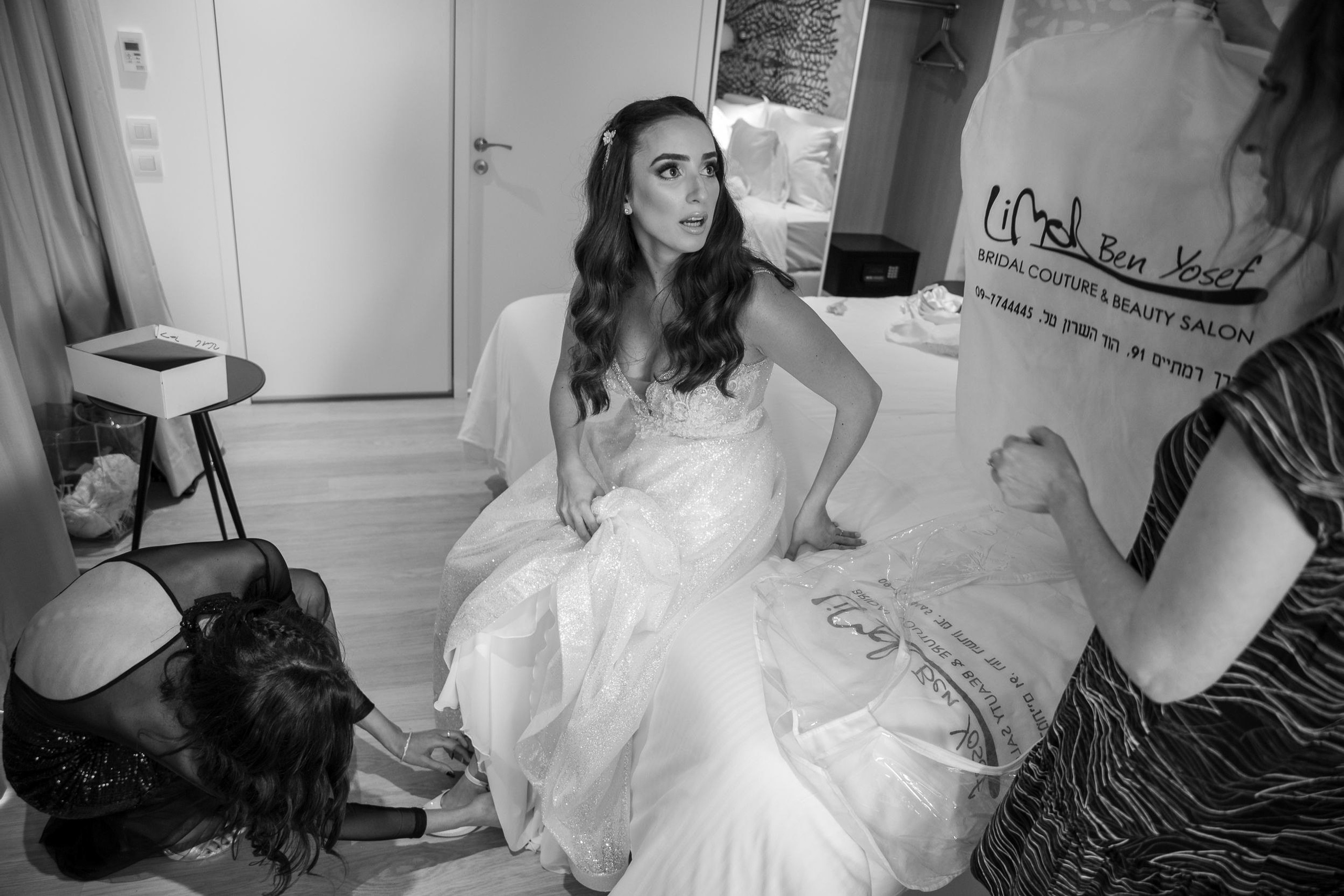
Look for genuine expressions, unexpected interactions, layers of activity, and moments that appear to have happened without instruction.
Notice whether people seem aware of the camera. Consider whether the same poses and compositions appear repeatedly across different weddings.
True documentary photography does not place every couple into the same visual formula. Each wedding should retain its own character, relationships, atmosphere, and rhythm.
The photographer’s perspective should be recognisable, but the people and their story should remain at the centre of the work.
Make Sure You Feel Comfortable With the Photographer
Your photographer will be present during private and emotionally significant moments.
They may be with you while you prepare, when you see members of your family, during the ceremony, and throughout the celebrations.
You do not need to become close friends, but you should feel comfortable with their presence.
A conversation before booking is valuable. It allows you to hear how the photographer communicates, whether they listen carefully, and whether their approach feels right for you.
You should be able to ask questions without feeling pressured.
Trust makes it easier to stop thinking about the camera and remain present with the people around you. That freedom is especially important when you want photographs based on genuine behaviour rather than performance.
Consider Experience, Not Only Style
A wedding unfolds quickly and rarely follows the schedule exactly.
An experienced photographer knows how to anticipate moments, adapt to changing light, work discreetly in sensitive situations, and make decisions without interrupting the event.
Experience is not measured only by the number of years someone has worked.
Look for evidence that the photographer can handle complete weddings consistently. They should understand ceremonies, family dynamics, crowded receptions, unexpected delays, and the practical challenges of moving between locations.
Technical skill matters, but the ability to observe and respond is equally important.
The photographer must know when to move closer, when to wait, and when their presence should become almost invisible.
Review What Is Included
Once you feel confident about the photographer’s work and approach, review the practical details.
Clarify:
- The hours or stages of the wedding that will be covered.
- Whether a second photographer is included or available.
- How many edited photographs you can expect.
- How and when the photographs will be delivered.
- How long the online gallery will remain available.
- Whether high-resolution files and printing rights are included.
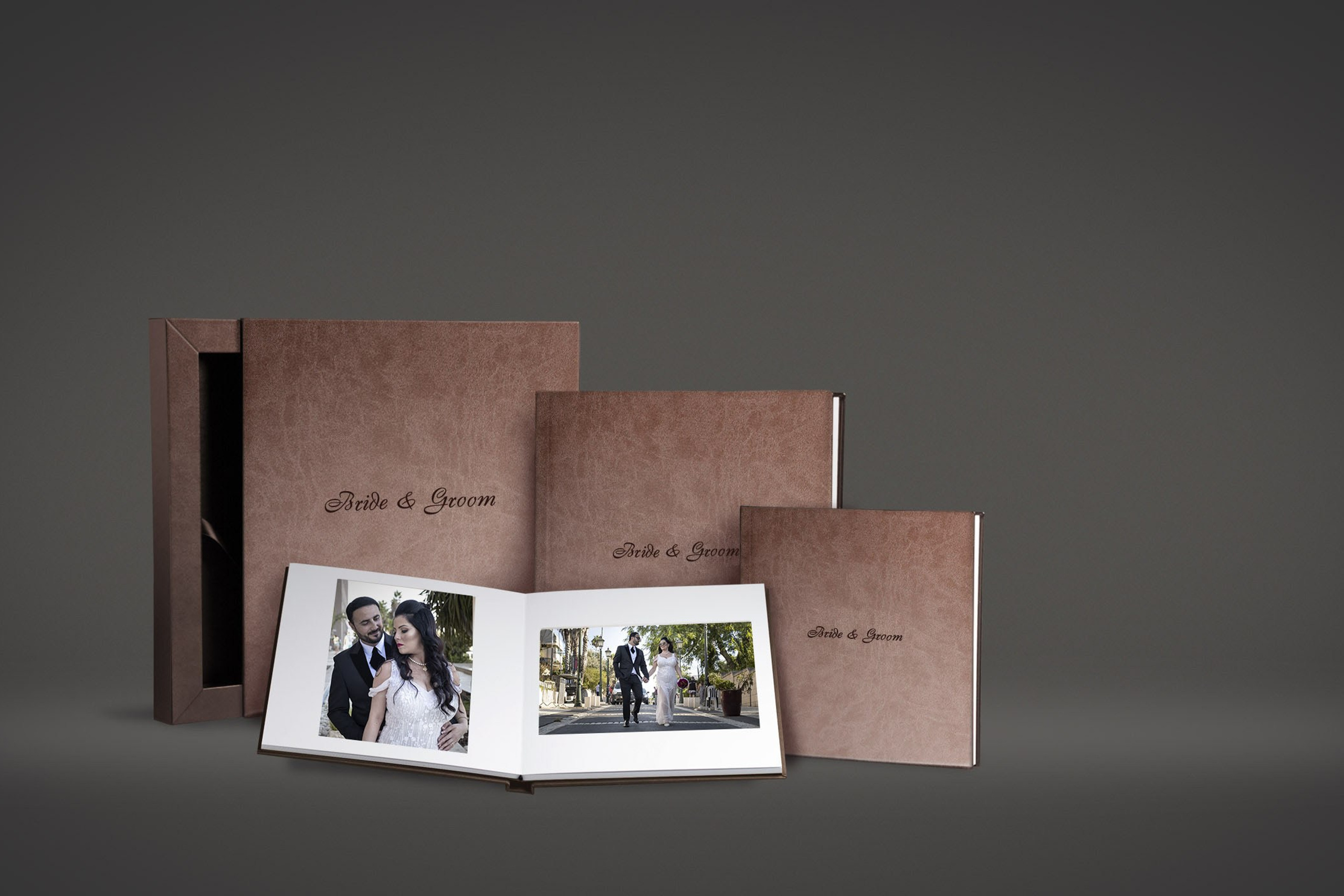
- Whether albums can be ordered before or after the wedding.
- The payment schedule and booking requirements.
- What happens if the schedule, location, or wedding date changes.
These details should be clearly explained in the proposal and agreement.
A professional process should reduce uncertainty rather than create it.
Do Not Choose by Quantity Alone
A larger number of photographs does not necessarily mean better documentation.
Many similar frames, repeated compositions, and photographs without narrative value can increase the final count without strengthening the story.
What matters is whether the final collection feels complete.
It should include the important events, but also the atmosphere surrounding them: anticipation, relationships, reactions, transitions, and small moments you may not have noticed.
A thoughtful selection of photographs will often communicate the day more clearly than an unnecessarily large collection.
Price Should Be Considered in Context
Budget is an important part of choosing any wedding professional.
However, photography cannot be evaluated only by comparing prices and package lists.
You are also comparing experience, consistency, approach, level of service, reliability, editing, delivery, and the long-term value of the final work.
After the wedding, many temporary elements of the day will disappear. The photographs will remain and may become more meaningful as time passes.
Choose a photographer whose work you would still want to look at many years from now—not simply the option that appears to include the most items today.
Ask the Questions That Matter to You
You do not need an endless list of questions downloaded from the internet.
Ask what genuinely affects your decision.
You may want to know:
- How do you document a wedding without directing it?
- Can we see a complete wedding story?
- How do you work in difficult light?
- When do you recommend a second photographer?
- How much time do you need for photographs of the couple?
- What happens if the schedule changes?
- When and how will we receive our photographs?
- How do you approach family photographs?
- What do you need from us before the wedding?
Clear answers will help you understand whether the photographer’s process matches your expectations.
Choose the Person Whose Work You Trust
The right wedding photographer is not necessarily the person with the largest following, the longest package, or the most dramatic portfolio.
It is the photographer whose work feels meaningful to you, whose approach respects the way you want to experience your wedding, and whose consistency gives you confidence.
You should trust them to notice what matters without needing to control every moment.
You should trust them to document both the events you expect and the moments you never knew were happening.
Most importantly, you should be able to live your wedding without feeling responsible for creating the photographs.
The day belongs to you.
The responsibility for preserving it belongs to the photographer.
No posing. No intervention. Just real stories.
JOURNAL
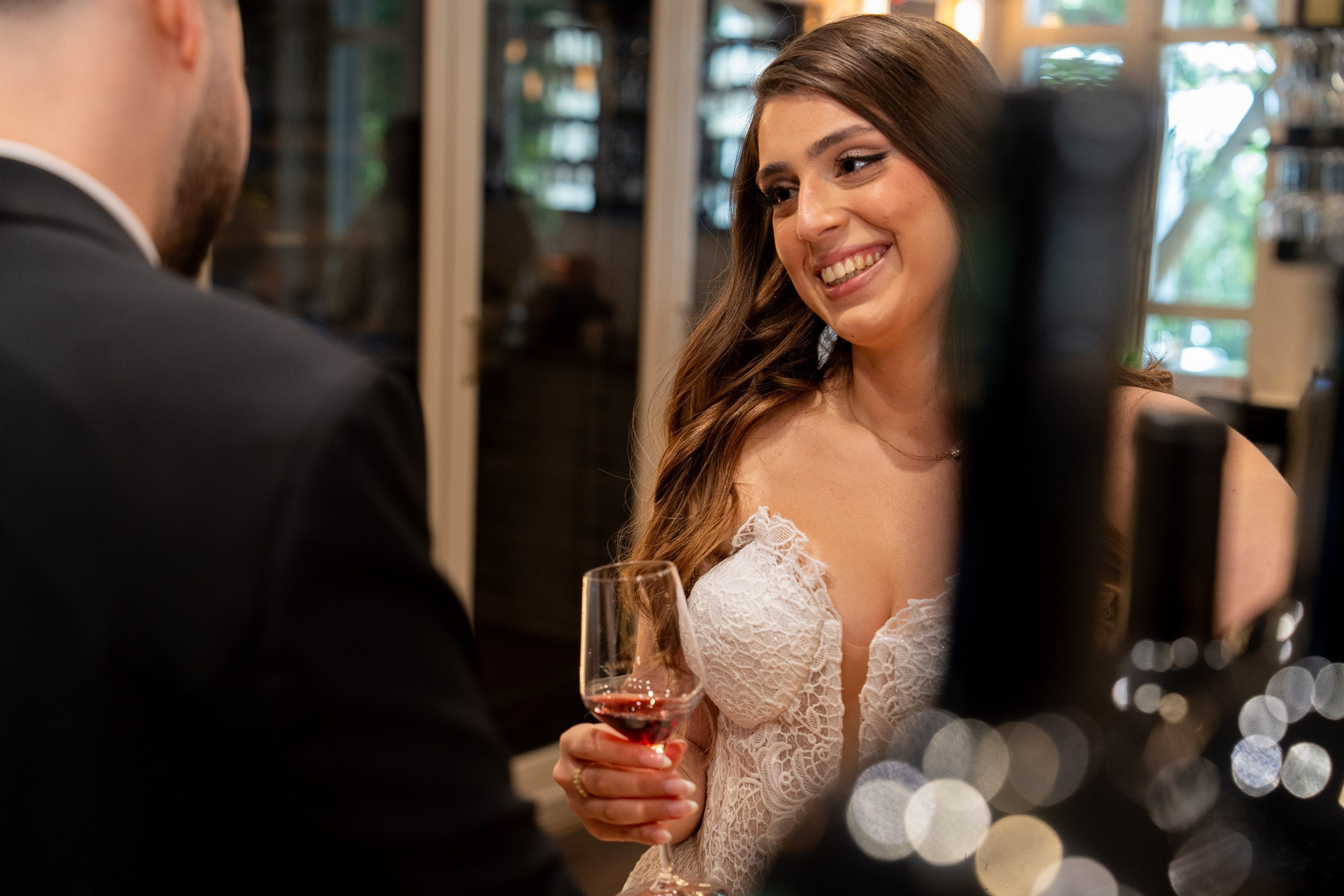
Do You Need a Second Photographer for Your Wedding?
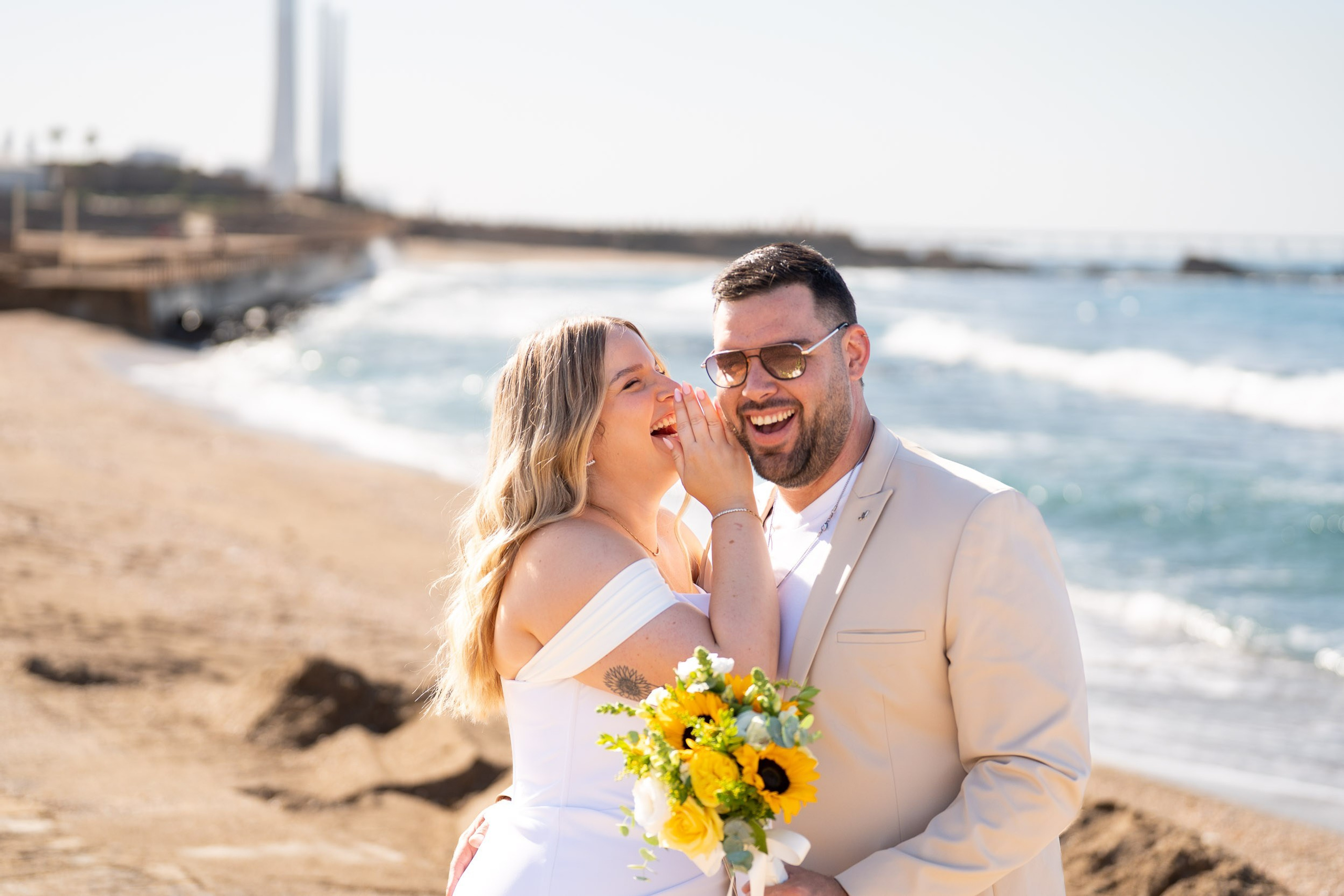
How to Feel Comfortable in Front of the Camera
Why the Small Moments Matter More Than the Big Ones

What Is Documentary Wedding Photography?

Why You Don't Need to Know How to Pose on Your Wedding Day

What Makes a Great Wedding Photograph?
Do You Need a Wedding Photography Shot List?
Why a Wedding Album Still Matters
Why Wedding Photographs Become More Valuable Over Time
Wedding Morning Preparation: How to Keep It Natural