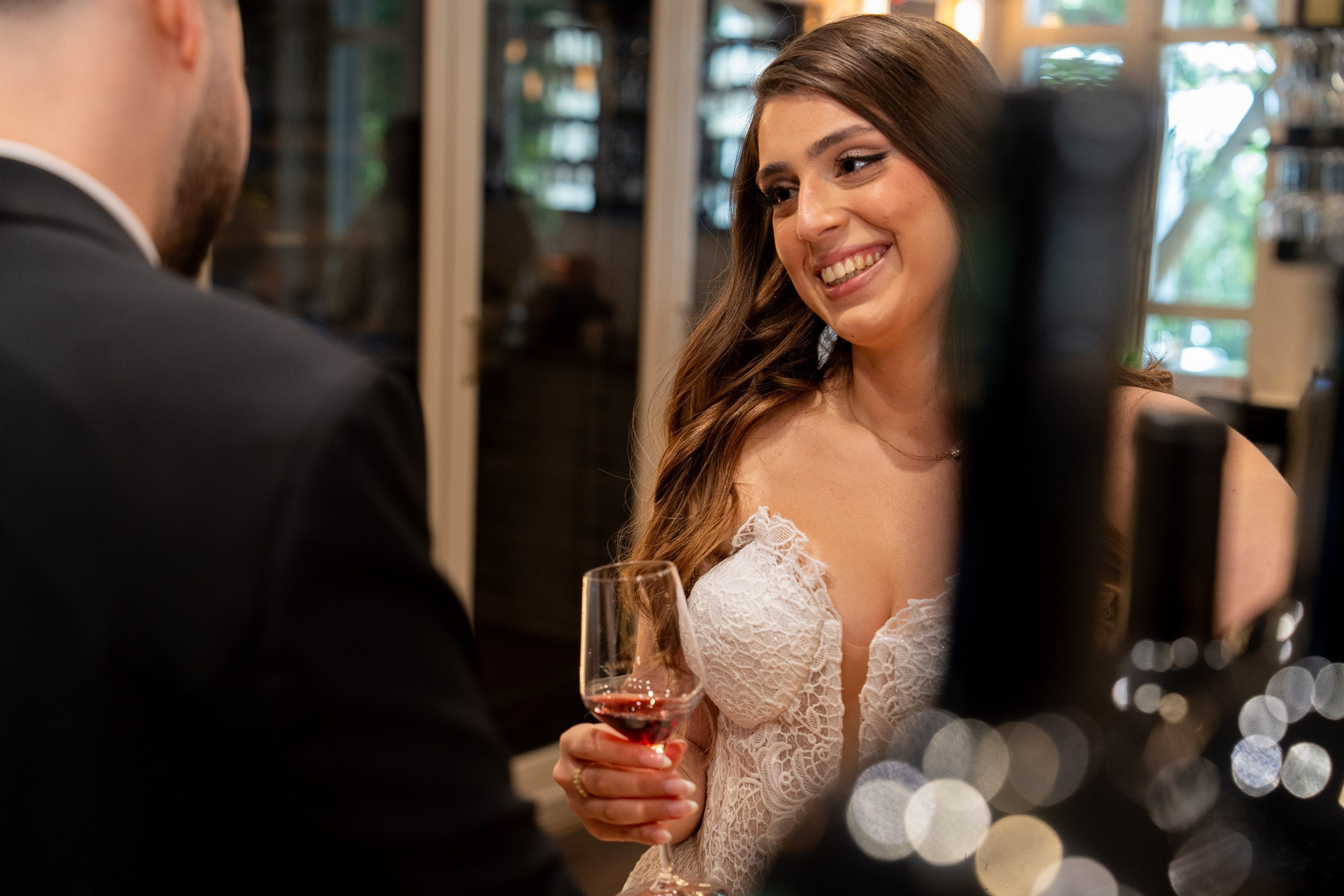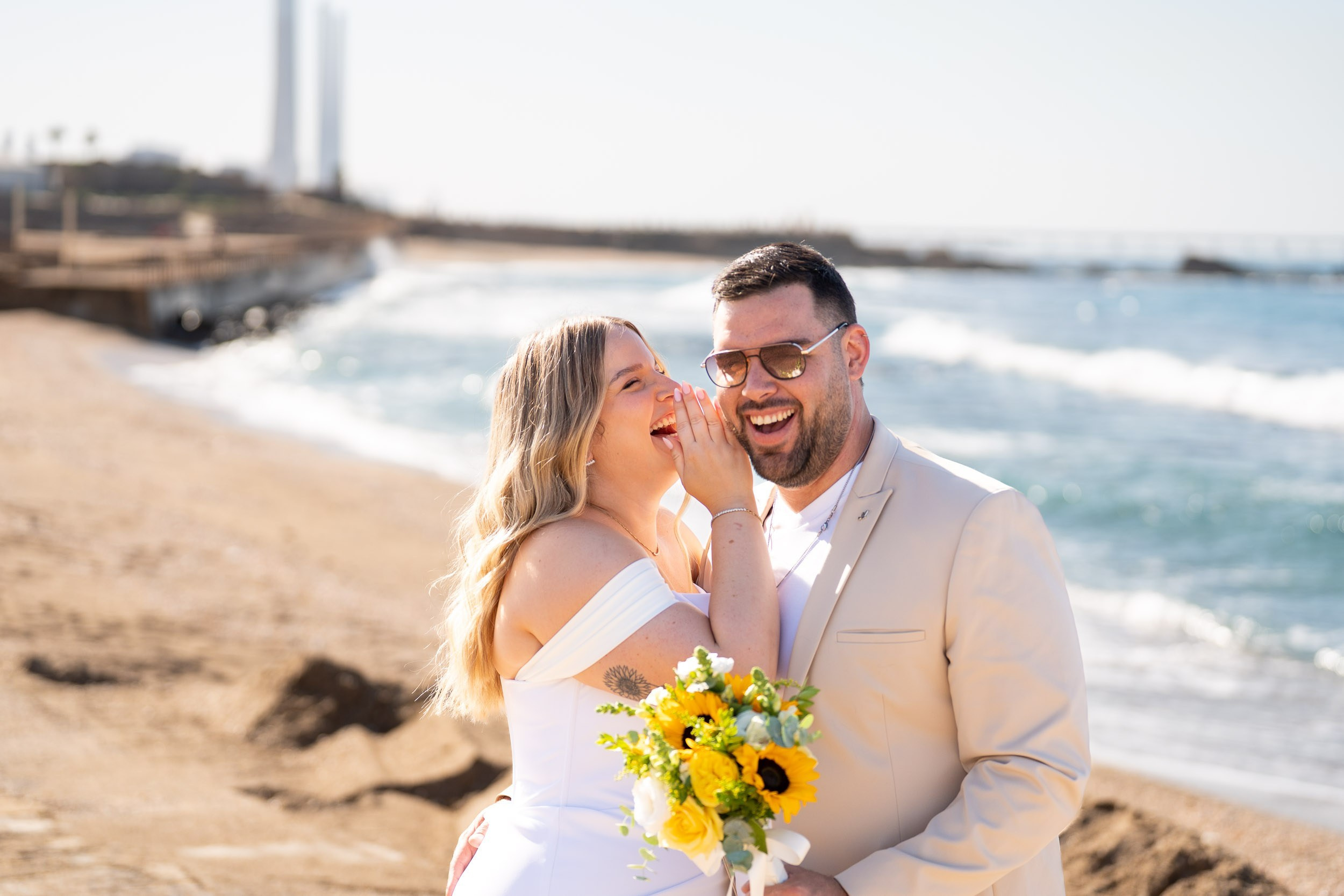
Many people feel uncomfortable when a camera is pointed at them.
They become aware of their hands, their posture, and their expression. Instead of being present, they begin to wonder how they look.
This is completely natural.
Most people are not accustomed to being photographed for an entire day. You do not need to become comfortable with posing before your wedding. You need an approach that does not require you to perform for the camera.
You Do Not Need to Act Naturally
Being told to “act natural” rarely makes anyone feel natural.
The moment you begin thinking about how to appear relaxed, you are no longer fully engaged with what is happening around you.
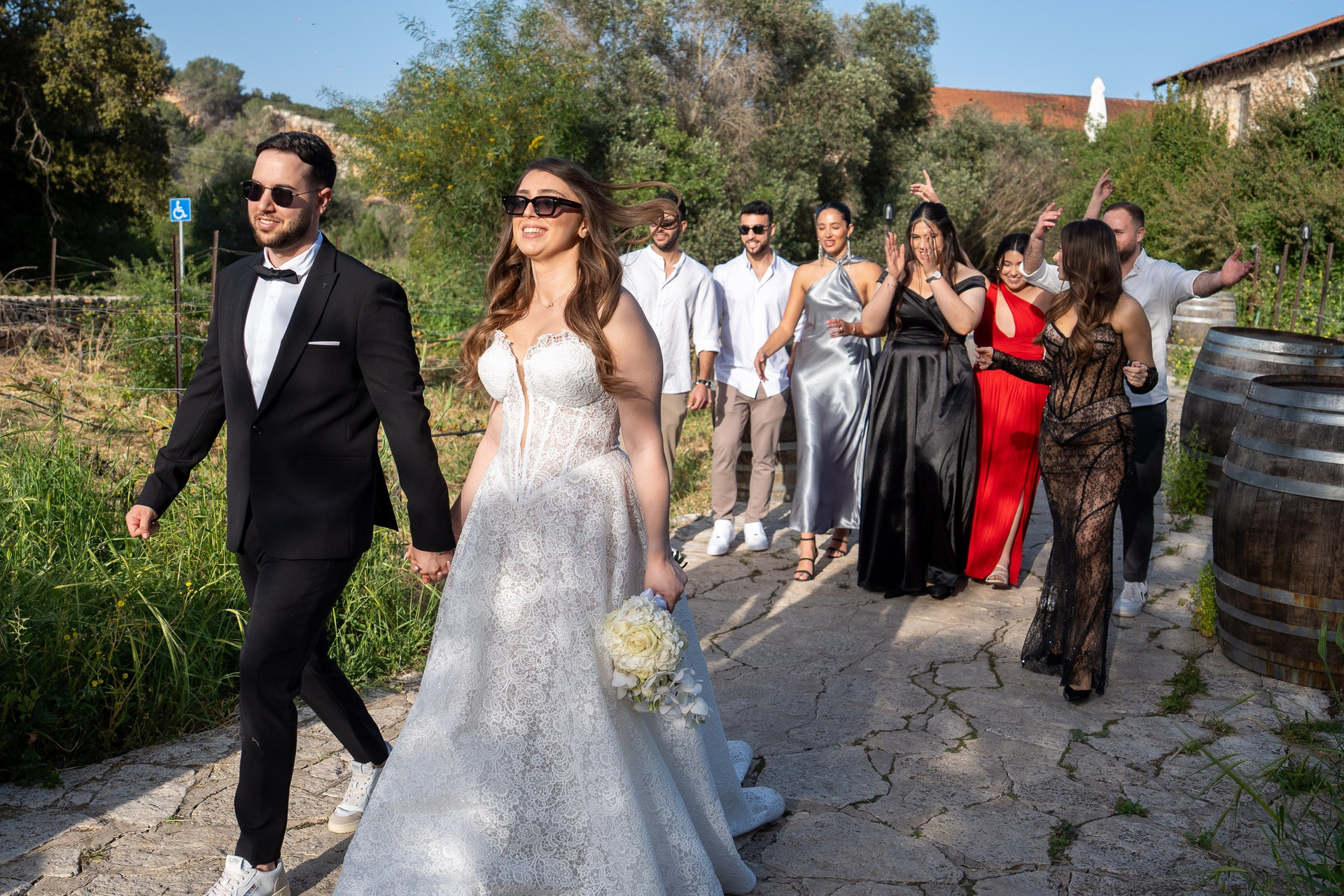
Documentary wedding photography takes away this expectation.
You are not asked to manufacture a reaction, repeat a movement, or hold an expression. You are free to focus on the people, conversations, and emotions that make the day meaningful.
Natural photographs do not come from trying to look natural.
They come from being allowed to forget about the camera.
Choose a Photographer Whose Presence Feels Comfortable
Your relationship with your photographer matters.
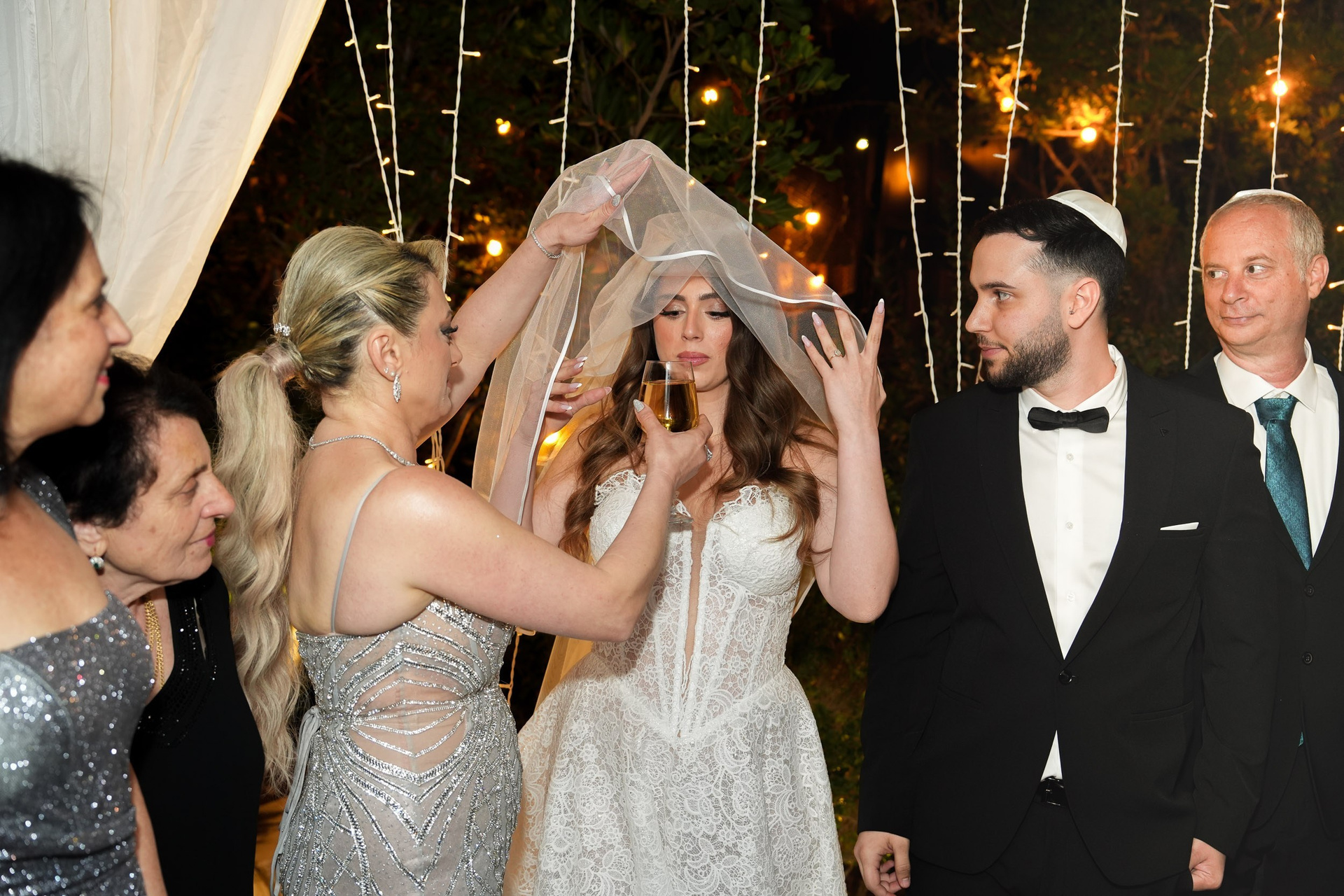
This person will be present during personal moments: the morning preparations, conversations with your family, the ceremony, and the celebrations that follow.
You should feel that you can be yourself around them.
A conversation before booking can tell you a great deal. Notice whether the photographer listens, whether their approach feels clear, and whether you feel pressured to behave in a particular way.
Technical ability is important, but trust is what allows honest photographs to happen.
When you understand how your photographer works, you are less likely to wonder what you are expected to do throughout the day.
Stop Thinking About the Camera
The easiest way to feel comfortable in front of the camera is to stop making the camera the centre of your attention.
Talk to your friends.
Spend time with your family.
Listen during the ceremony.
Dance when you want to dance.
Allow yourself to experience the wedding rather than observe yourself experiencing it.
A documentary photographer works around these moments without interrupting them. You do not need to check where the photographer is or wait for permission before something happens.
Your responsibility is to live the day.
The photographer’s responsibility is to preserve it.
Familiar People Help You Feel Like Yourself
Comfort often comes from the people around you.
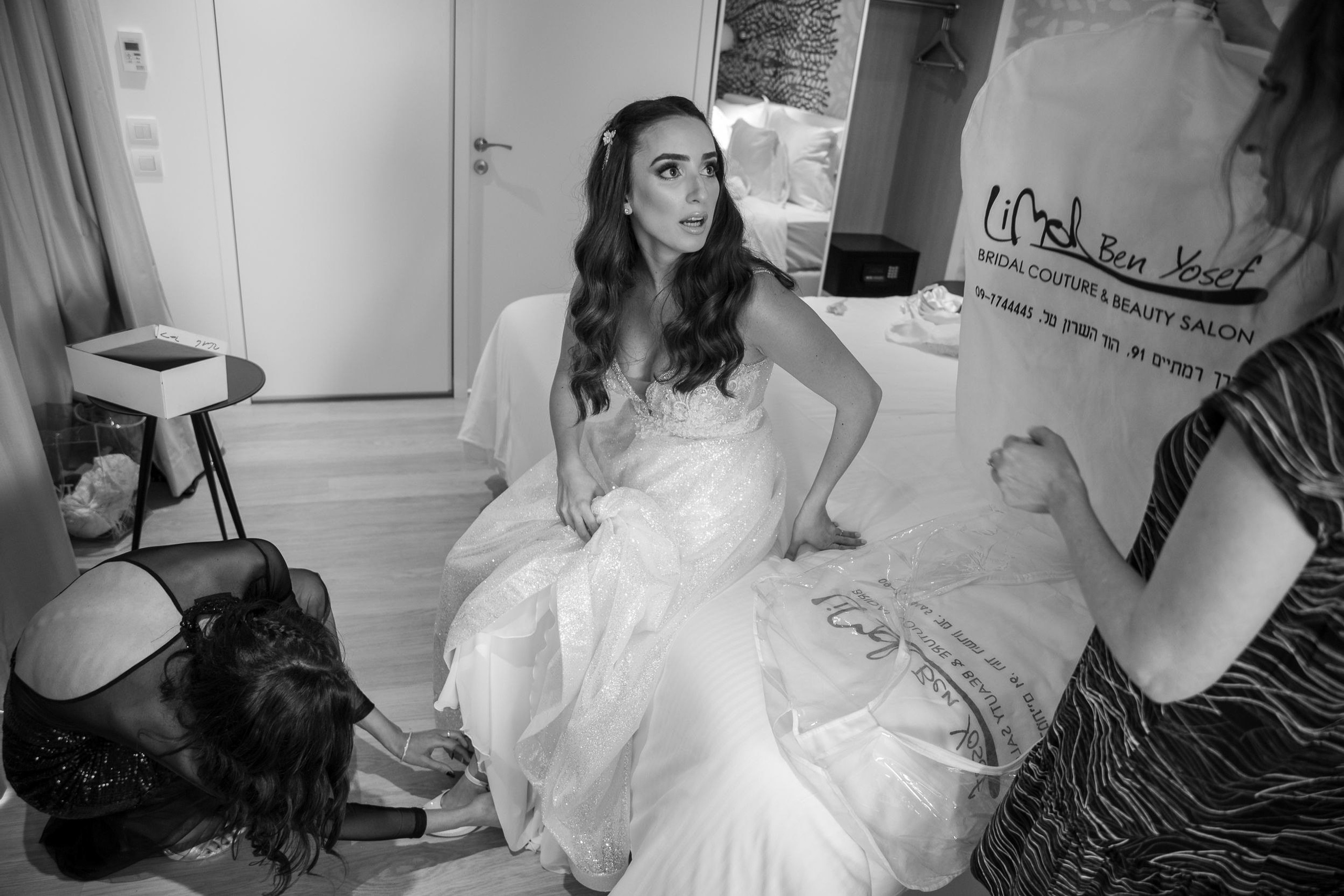
During the morning preparations, choose friends and family members who make you feel calm rather than people who create unnecessary pressure. Leave enough time for conversations, laughter, and quiet pauses.
When you are surrounded by people you trust, your attention naturally moves away from the camera.
You begin responding to real situations instead of thinking about how you appear.
These unplanned interactions often become some of the most personal photographs from the wedding.
Do Not Build the Day Around Photographs
A wedding schedule should support the experience of the day—not turn it into a continuous photography session.
Too many staged moments, repeated actions, and long portrait sessions can make the presence of the camera feel constant.
Leave room for events to unfold naturally.
A realistic schedule reduces pressure and allows you to move through the day without feeling that you are always late for the next photograph.
When photography follows the wedding rather than controlling it, both the experience and the photographs become more honest.
Some Awareness Is Normal
You may notice the camera at the beginning of the day.
That does not mean you are doing anything wrong.
Comfort usually develops gradually. As conversations begin and the day gathers momentum, your attention shifts toward what is happening around you.
There is no need to force this process.
A photographer who works quietly will give you the time and space to settle into the day without repeatedly asking for your attention.
Eventually, the camera becomes part of the environment rather than something you need to respond to.
What About Couple Portraits?
Even couples who prefer documentary photography may want a few photographs together.
These do not need to become an elaborate posing session.
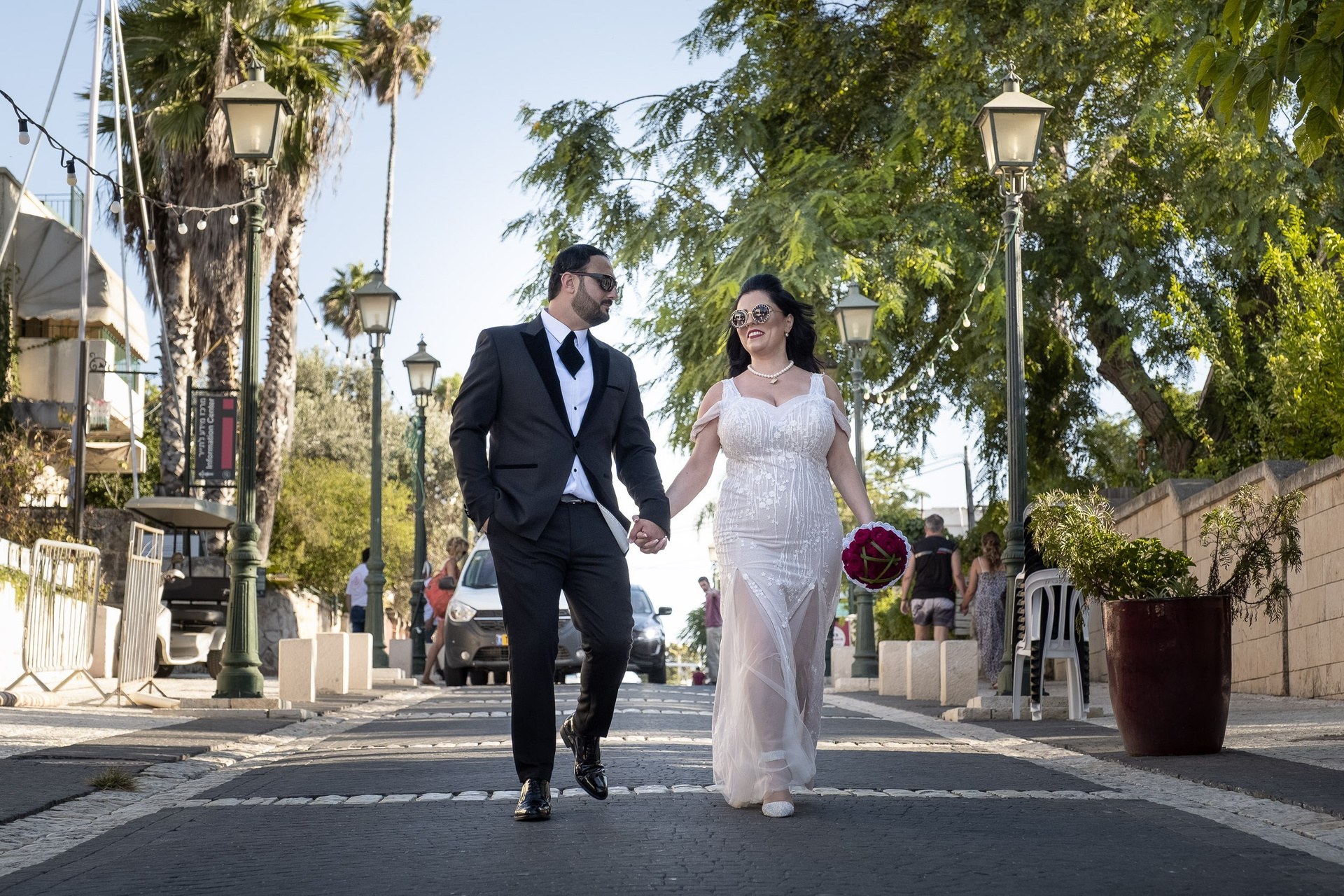
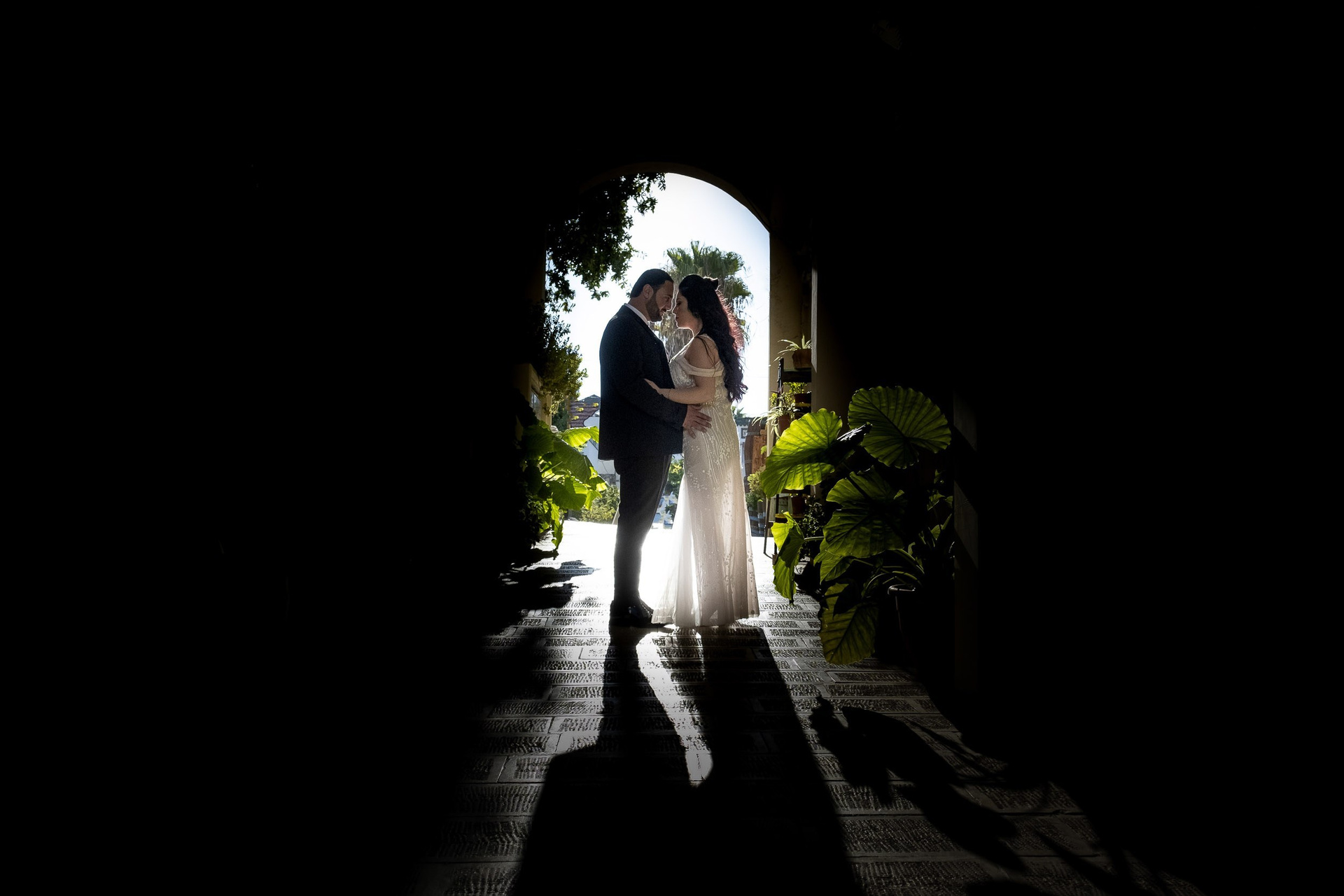
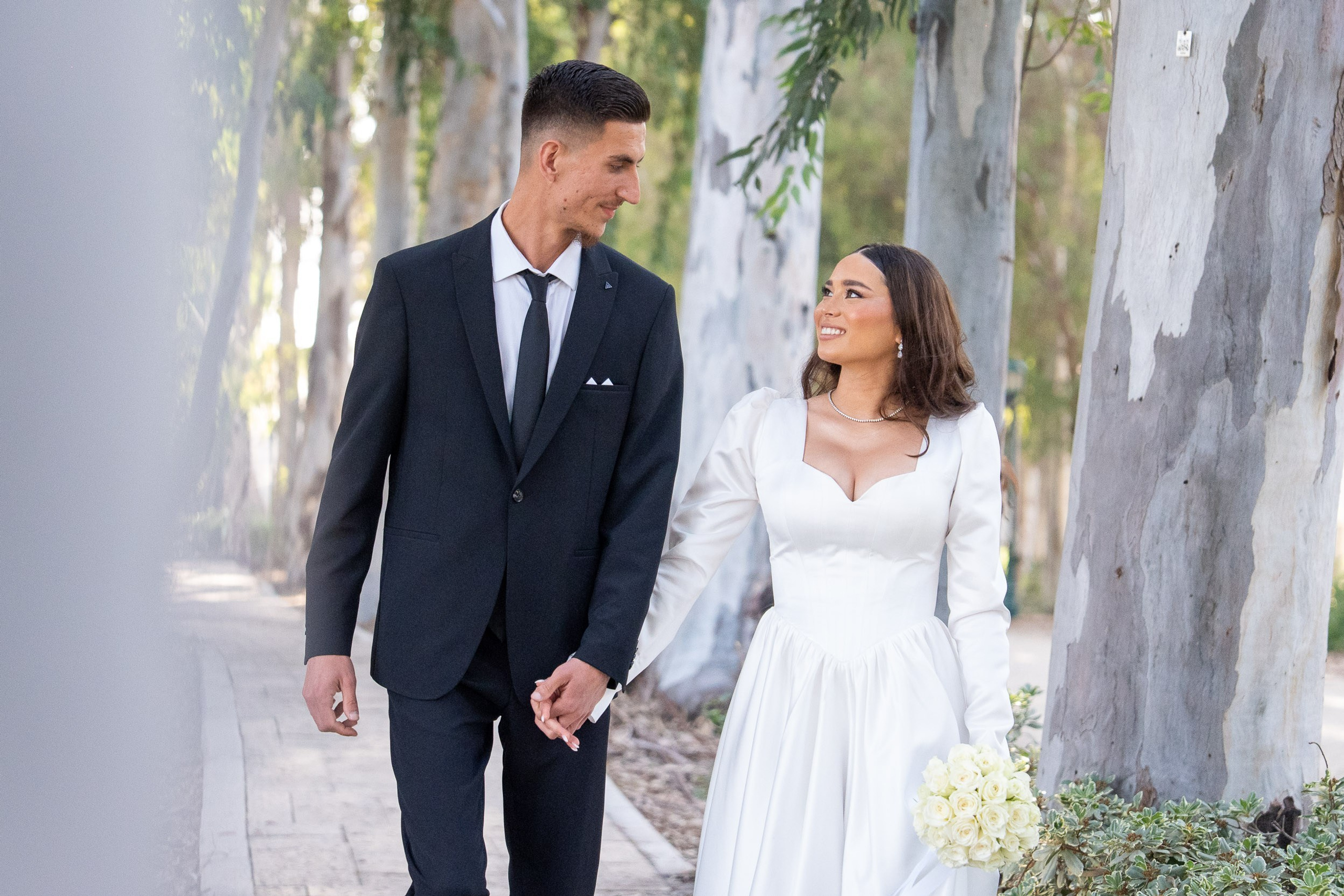
A short walk, a quiet moment away from the reception, or a few minutes together after the ceremony can create space for photographs without turning the experience into a performance.
The photographer may help you find suitable light or a quiet location, but the interaction between you should remain your own.
The purpose is not to imitate someone else’s idea of romance.
It is to create enough space for your own connection to be seen.
You Are Not Responsible for Making the Photographs
You do not need to know your best angle.
You do not need to prepare expressions.
You do not need to practise poses or constantly smile when the camera is nearby.
A meaningful wedding photograph is not created by perfect performance. It is created through observation, timing, light, emotion, and an understanding of human behaviour.
That is the photographer’s work.
Your wedding is not a photo shoot. It is a real event shared with the people who matter to you.
The more fully you experience it, the more honestly it can be documented.
No posing. No intervention. Just real stories.
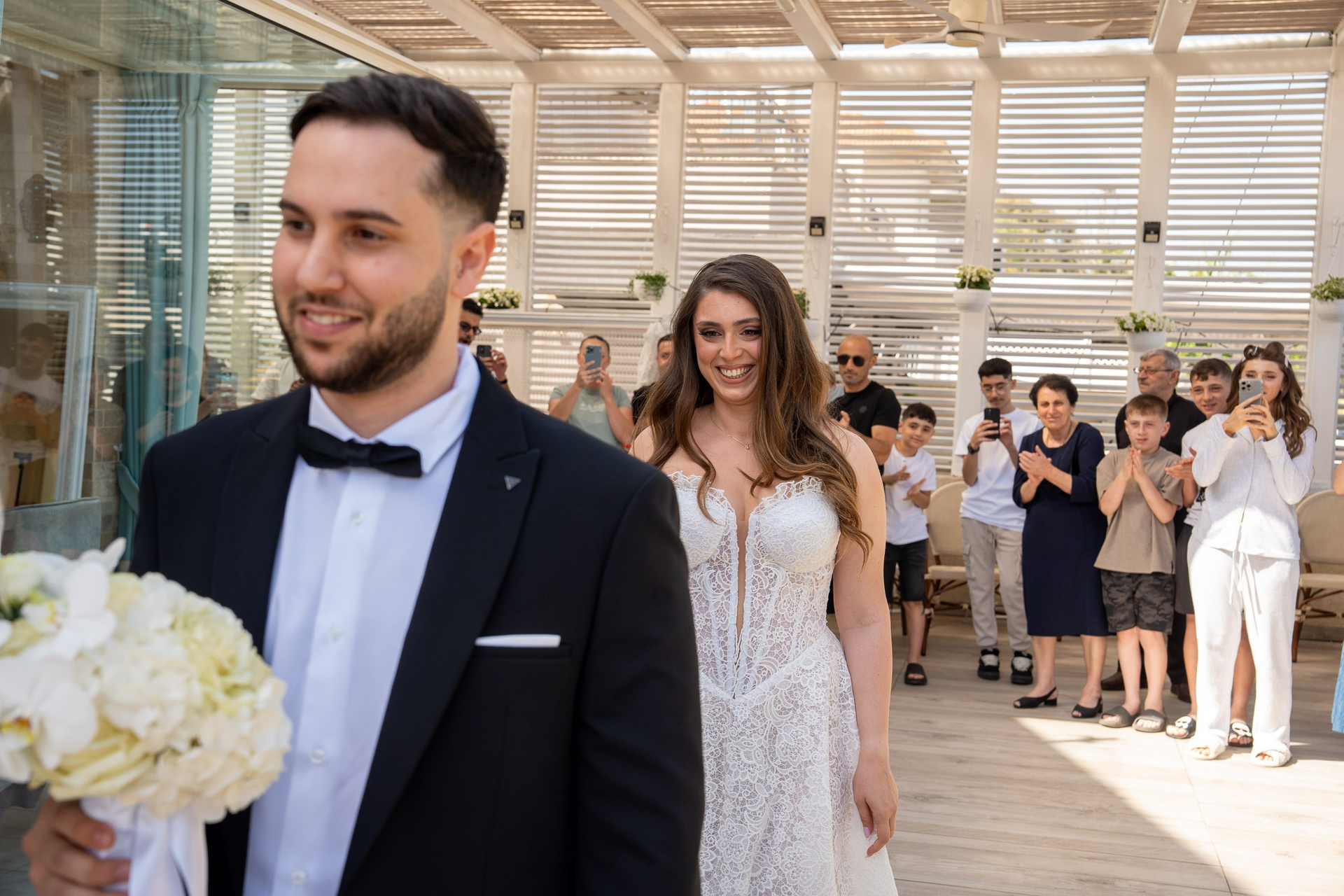
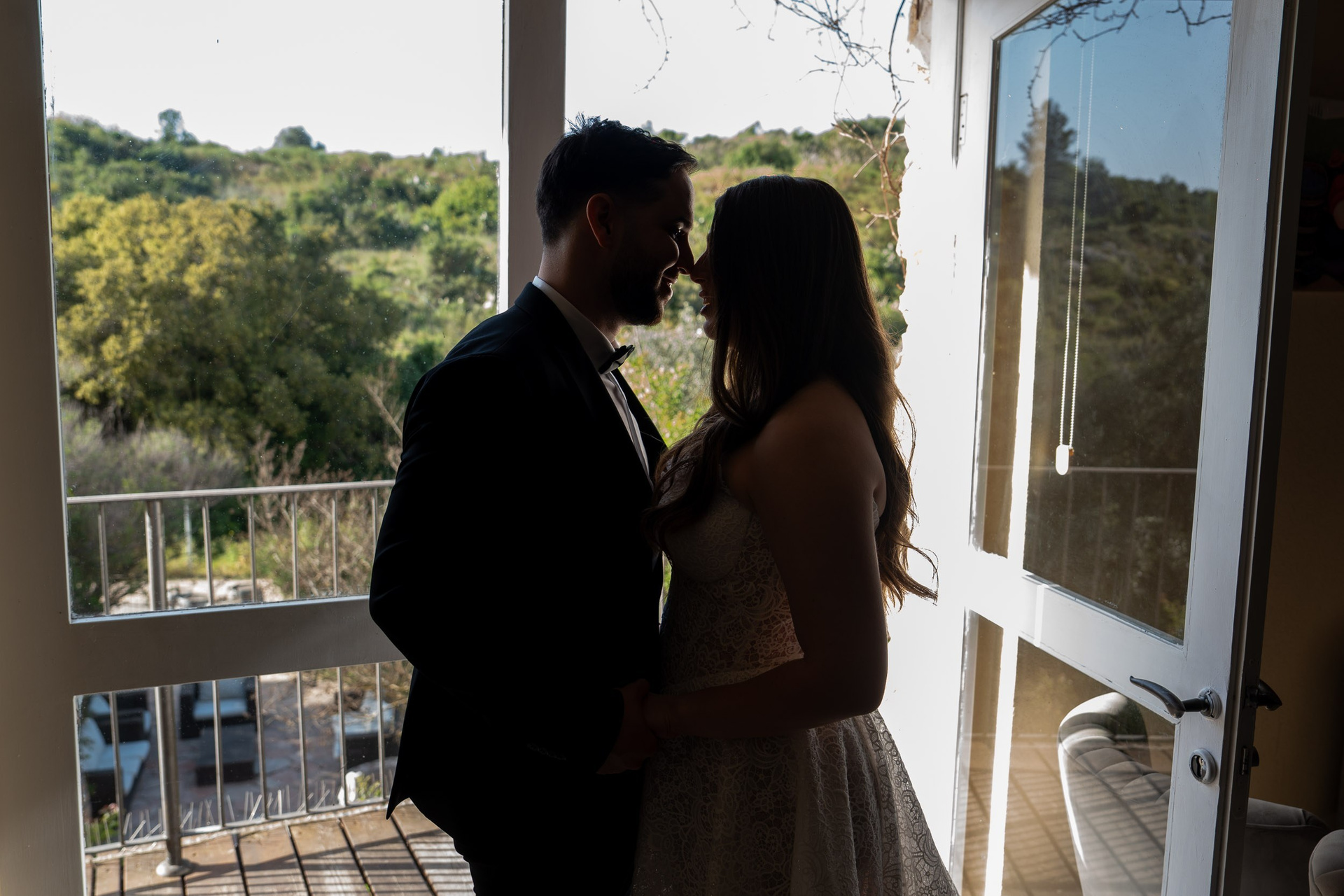
JOURNAL
Why the Small Moments Matter More Than the Big Ones

What Is Documentary Wedding Photography?

Why You Don't Need to Know How to Pose on Your Wedding Day

What Makes a Great Wedding Photograph?
Do You Need a Wedding Photography Shot List?
Why a Wedding Album Still Matters
Why Wedding Photographs Become More Valuable Over Time
Wedding Morning Preparation: How to Keep It Natural
Why Every Wedding Story Is Different
How to Choose a Wedding Photographer