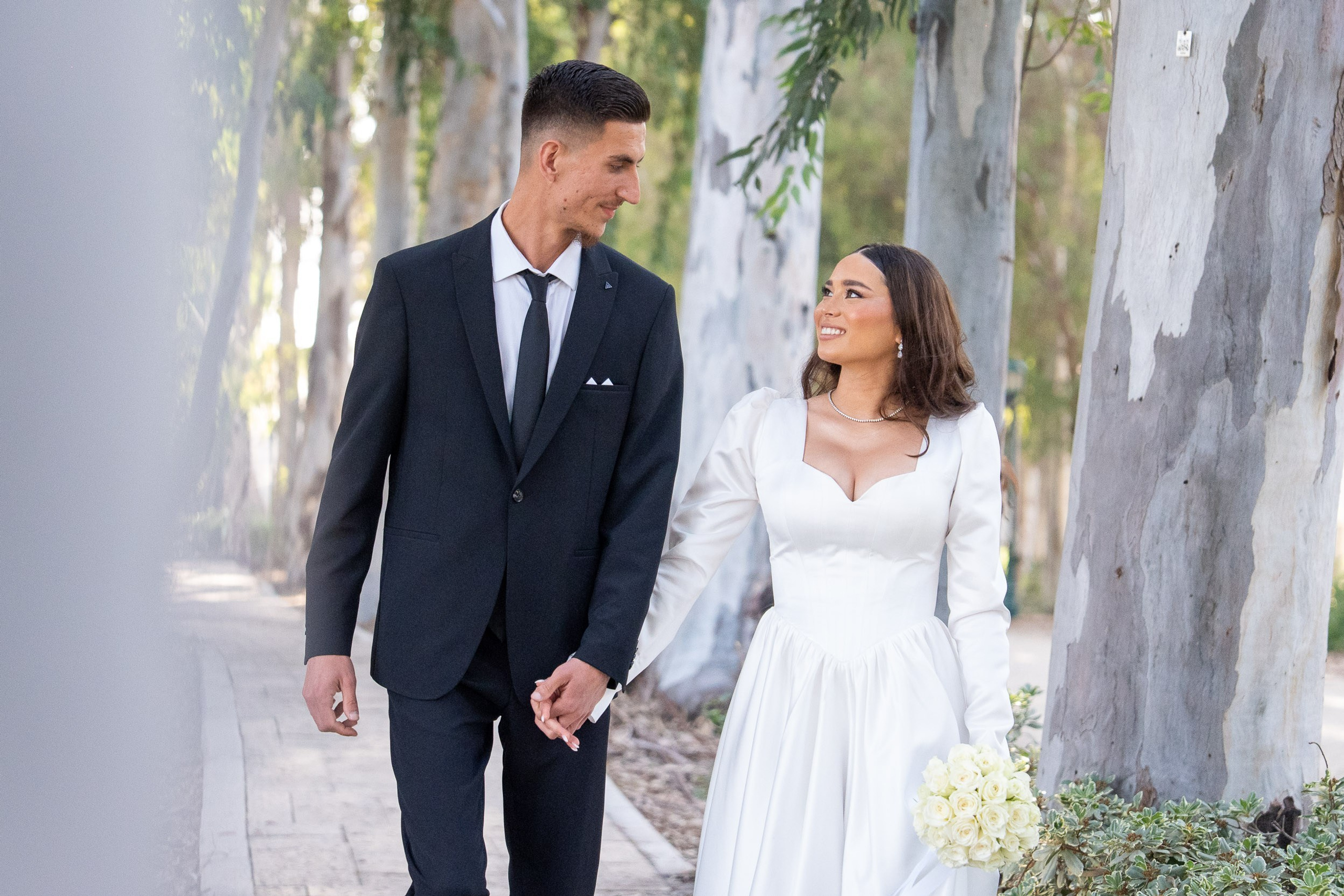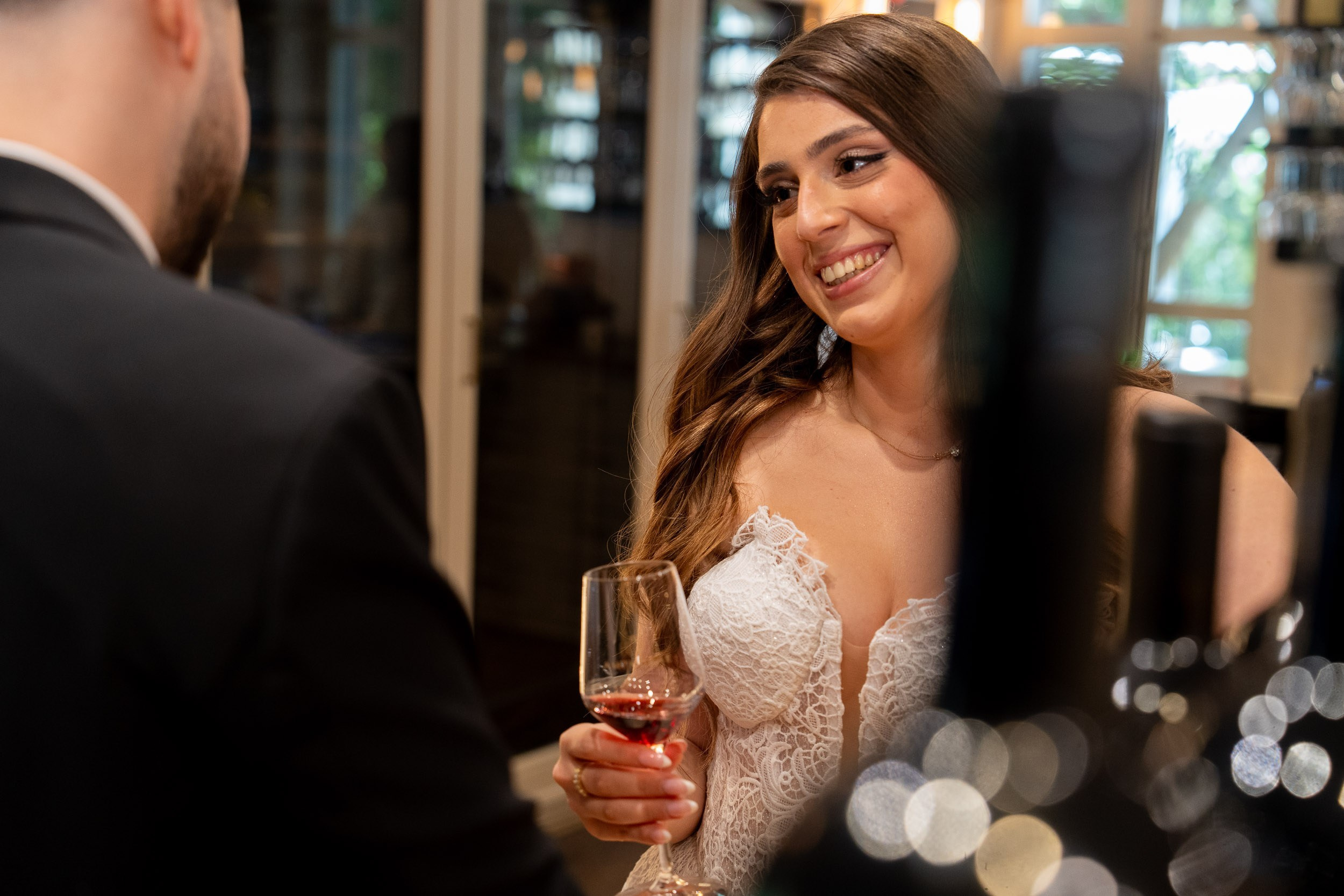
When planning your wedding photography, you may wonder whether one photographer is enough.
There is no universal answer.
A second photographer can add meaningful depth to the documentation of a wedding, but only when the structure, scale, or logistics of the day genuinely require it.
More cameras do not automatically create a stronger story. What matters is whether another perspective helps preserve moments that one photographer could not reasonably witness alone.
One Photographer Can Document a Complete Story
For many weddings, one experienced documentary photographer is entirely sufficient.
A single photographer can follow the natural rhythm of the day—from the morning preparations and ceremony to the reception and evening celebrations—while maintaining a consistent visual language.
Working alone can also create a quieter presence.
There are fewer people moving around the couple, fewer cameras drawing attention, and more space for genuine moments to unfold without interruption.
For an intimate or medium-sized wedding taking place primarily at one location, one photographer can usually document the complete story with clarity and depth.
When a Second Photographer Adds Real Value
A second photographer becomes valuable when important parts of the wedding happen simultaneously or in different locations.
The clearest example is when both partners prepare separately.
While one photographer documents one set of preparations, the second photographer can be present with the other partner. Neither part of the morning needs to be shortened or recreated later.
During the ceremony, two photographers can also observe the same moment from different positions.
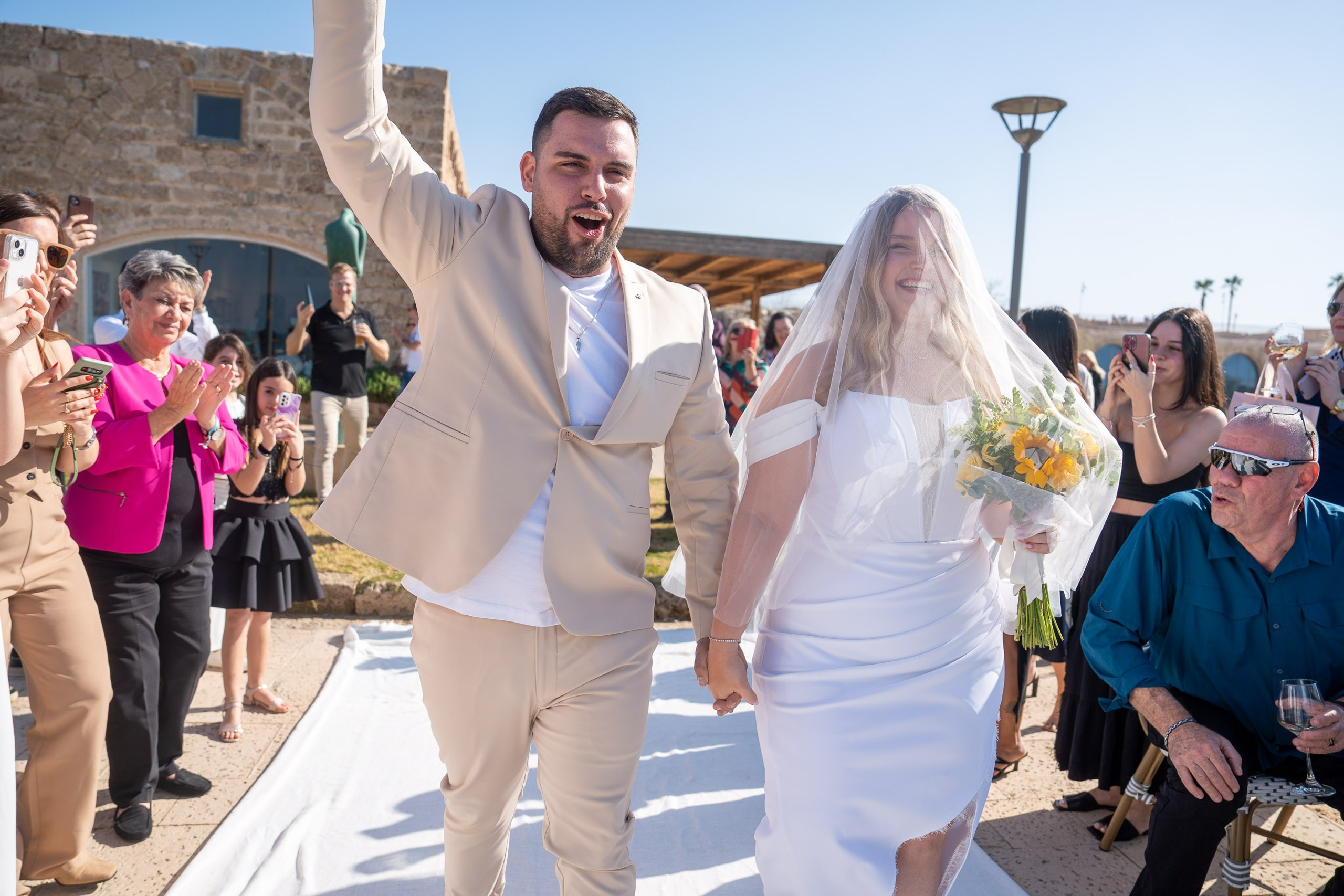
One may focus on the couple while the other records the reactions of parents, relatives, and friends. These photographs are not simply alternative angles. Together, they provide a broader understanding of what was happening around you.
Large Weddings Create More Stories
The number of guests can also affect the decision.
At a large wedding, many meaningful interactions happen at the same time. Family members reunite, friends respond to speeches, children move between tables, and brief moments appear in different parts of the venue.
One photographer must constantly decide where to look.
A second photographer expands the field of view and makes it possible to preserve more of these parallel stories.
For weddings with more than approximately 150 guests, I generally recommend considering a second photographer—especially when documenting the guests and atmosphere is an important part of the story.
Different Locations and Complex Schedules
Some weddings involve several locations, long travel times, or a tightly structured schedule.
Preparations may take place in different cities. The ceremony and reception may be held at separate venues. Important events may overlap.
In these situations, a second photographer is not simply an additional camera. Their presence protects the continuity of the documentation.
While one photographer travels with the couple or remains focused on the main sequence of events, the second can document guests arriving, the atmosphere at the venue, or moments taking place elsewhere.
This allows the final story to feel connected rather than fragmented.
A Second Photographer Should Remain Unobtrusive
Documentary photography is not about creating more activity around the wedding.
A second photographer should work with the same quiet approach as the primary photographer: observing rather than directing, anticipating rather than repeating, and respecting the natural rhythm of the day.
The goal is not to produce duplicate photographs.
Each photographer should contribute a distinct perspective while maintaining a consistent visual and narrative approach.
When this is done well, you should barely notice that two photographers are present.
When You Probably Do Not Need One
A second photographer may not be necessary when:
- The wedding is intimate or medium-sized.
- Most of the day takes place at one location.
- The preparations are simple or only one partner wants them documented.
- The schedule allows one photographer to move naturally between events.
- You prefer the smallest possible photographic presence.
In these circumstances, adding another photographer may increase the number of images without adding meaningful depth to the story.
The decision should be based on the needs of the wedding—not on the assumption that more coverage is always better.
What a Second Photographer Contributes
When genuinely needed, a second photographer can preserve:
- Both partners’ preparations.
- Guest arrivals and the atmosphere before the ceremony.
- Family reactions during important moments.
- Additional documentary perspectives during the ceremony.
- Parallel events taking place in different areas.
- More complete coverage of a large reception.
- Moments involving guests while the primary photographer remains with the couple.
These photographs become part of one unified story rather than a separate collection.
Making the Right Decision
The best way to decide is to look at the actual structure of your wedding.
Consider the number of guests, the distance between locations, whether preparations happen simultaneously, and how important broad guest coverage is to you.
A second photographer should solve a real limitation—not simply satisfy a checklist.
Some weddings require a broader field of view. Others benefit from the focus and intimacy of a single photographer.
Both approaches can result in a complete and meaningful record of the day.
What matters is choosing the level of coverage that allows your wedding to be documented honestly, without staging, direction, or repetition.
One wedding. One story.
No posing. No intervention. Just real moments.
JOURNAL
How to Feel Comfortable in Front of the Camera
Why the Small Moments Matter More Than the Big Ones

What Is Documentary Wedding Photography?

Why You Don't Need to Know How to Pose on Your Wedding Day

What Makes a Great Wedding Photograph?
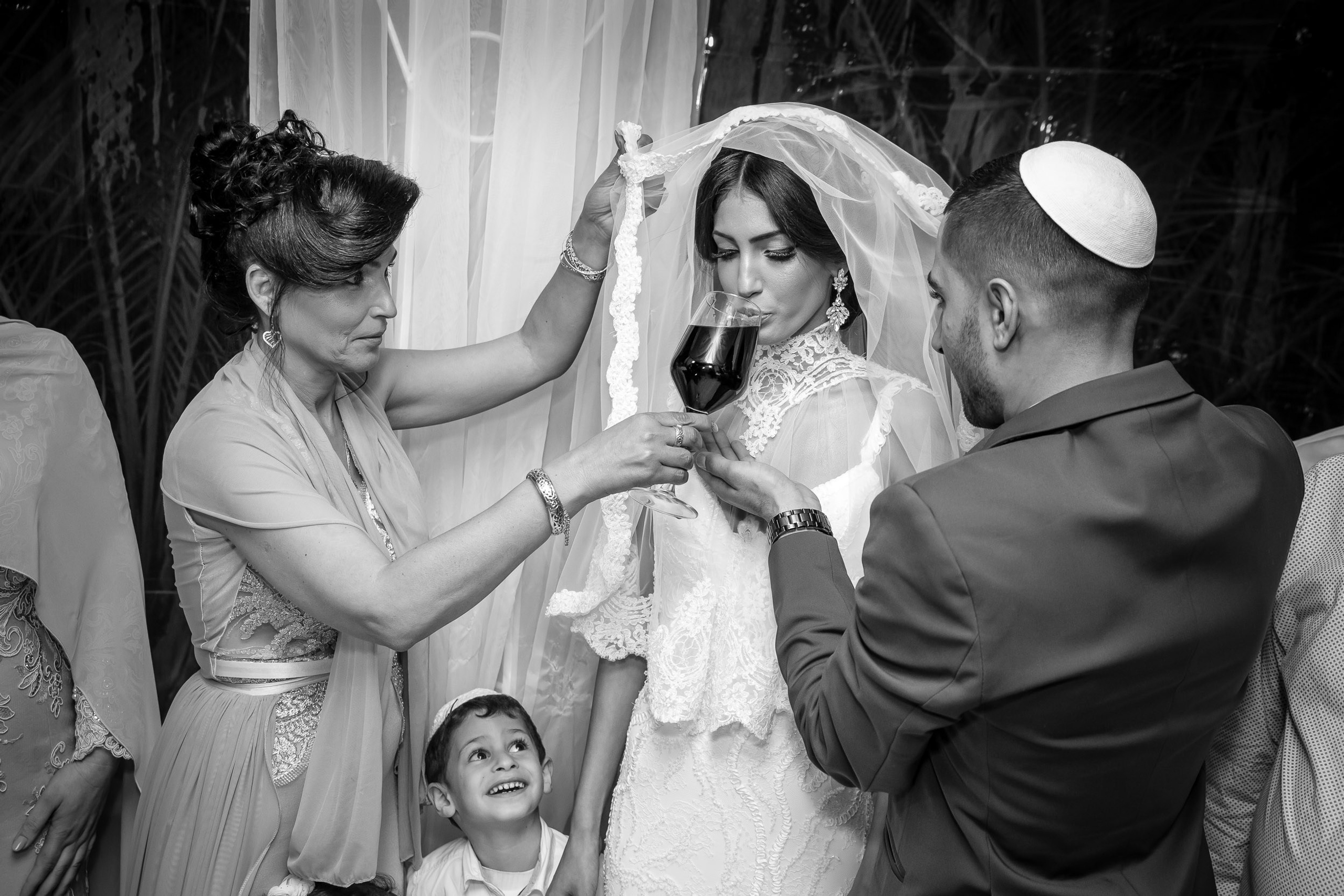
Do You Need a Wedding Photography Shot List?
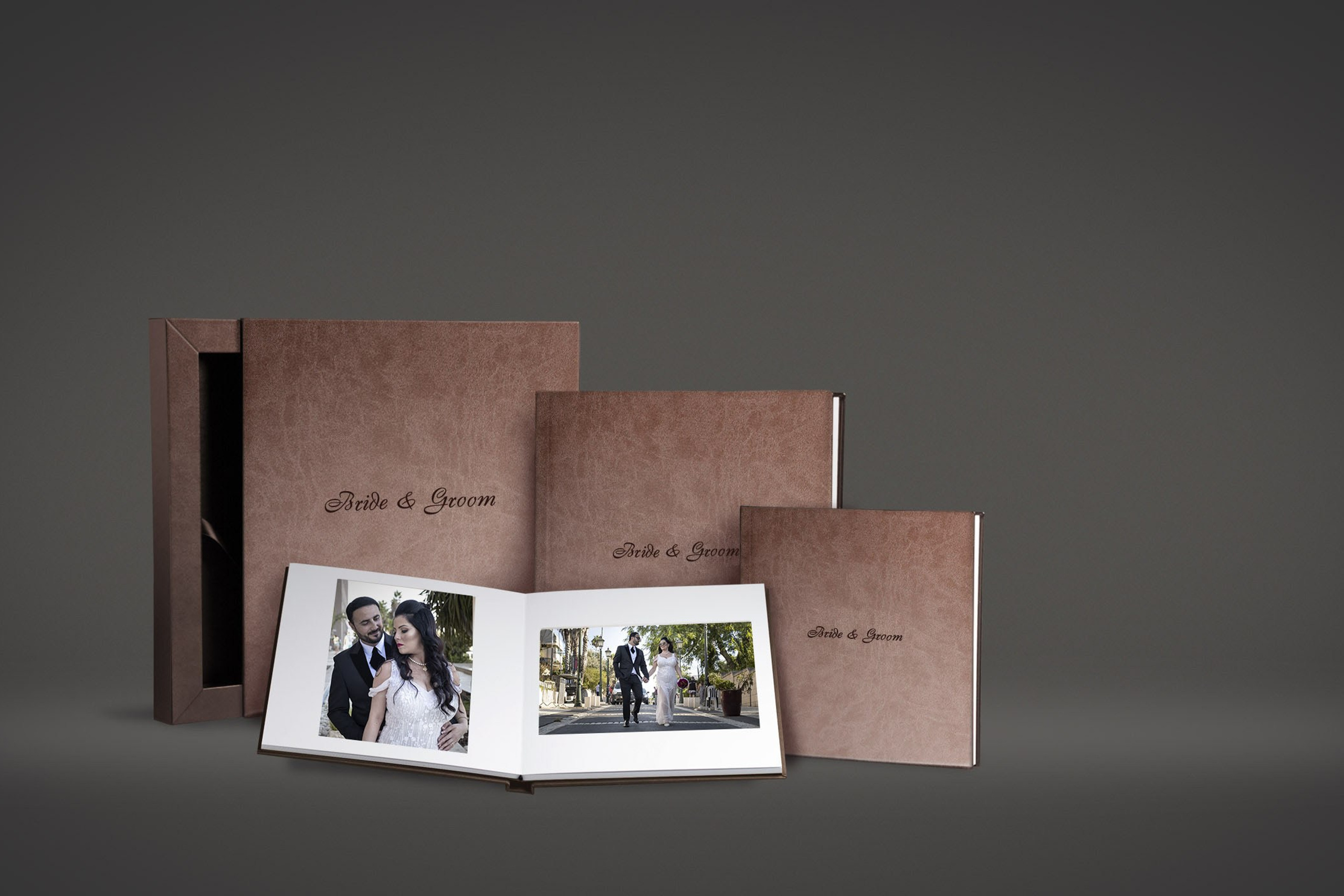
Why a Wedding Album Still Matters
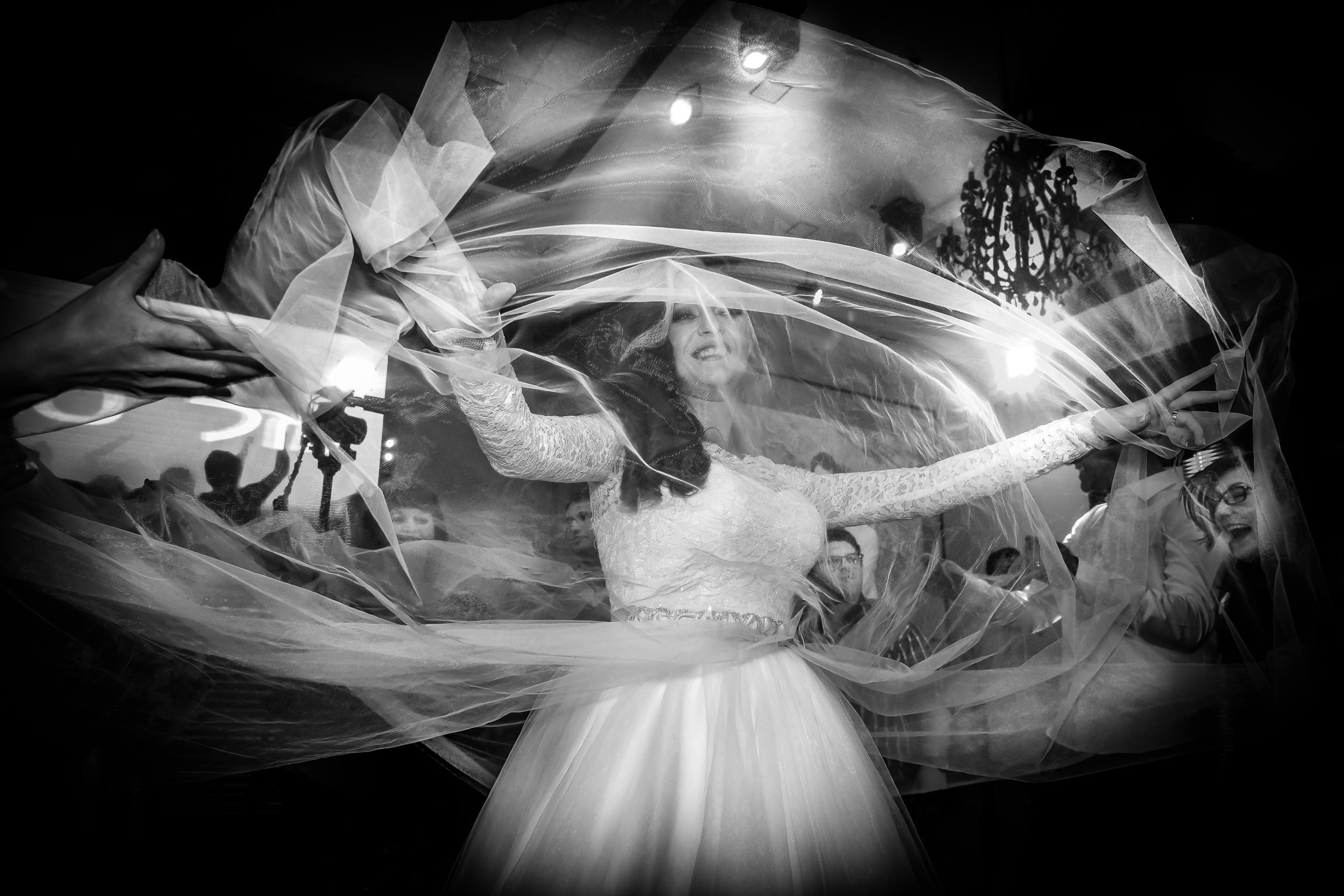
Why Wedding Photographs Become More Valuable Over Time
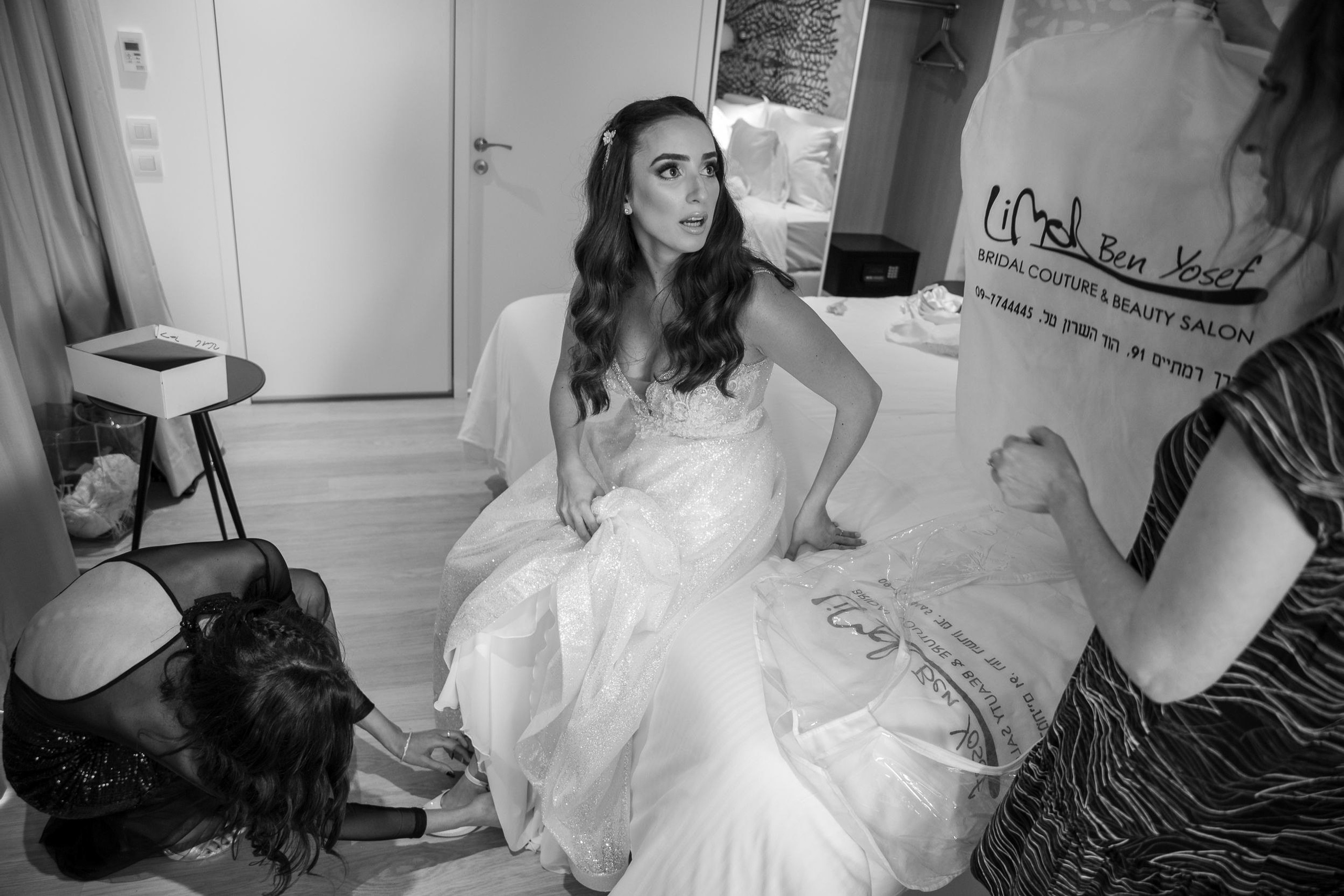
Wedding Morning Preparation: How to Keep It Natural
Why Every Wedding Story Is Different